Last updated October 31, 2026
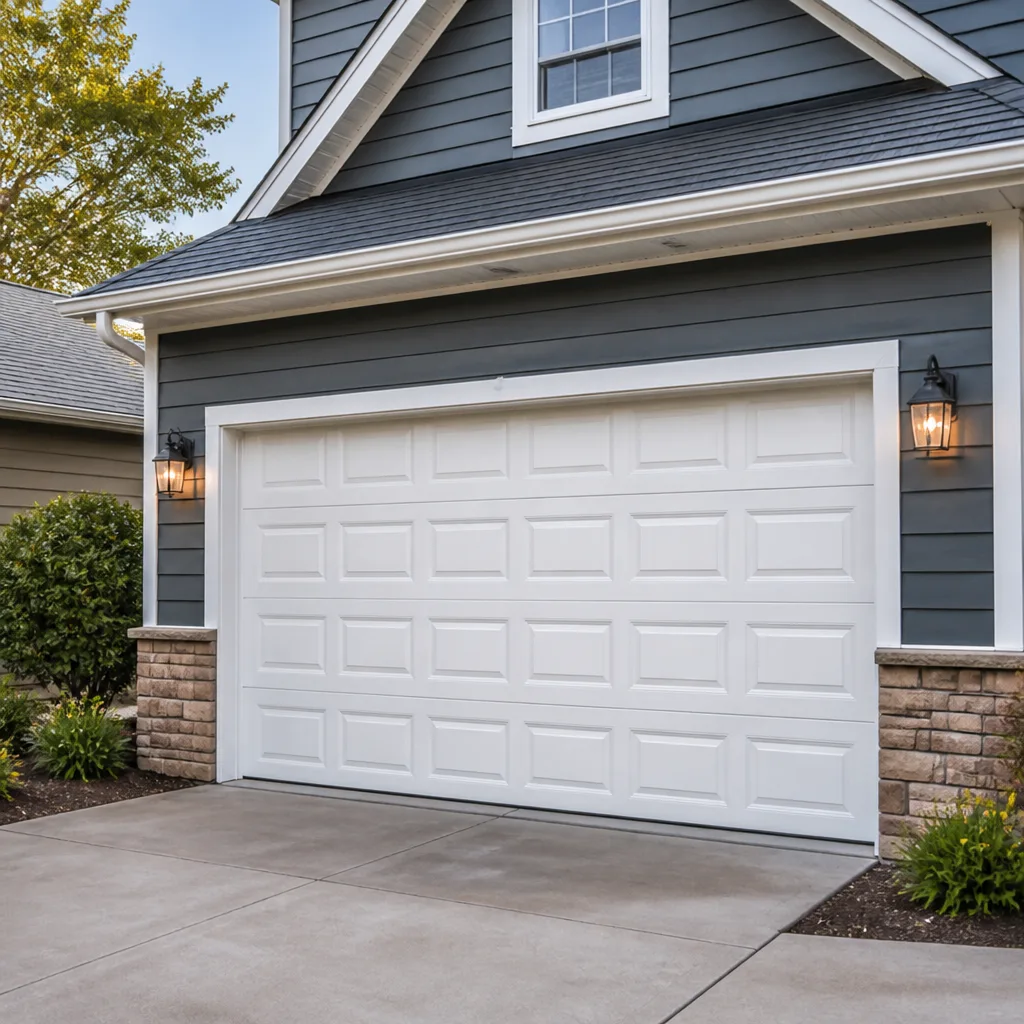 Raised-panel steel
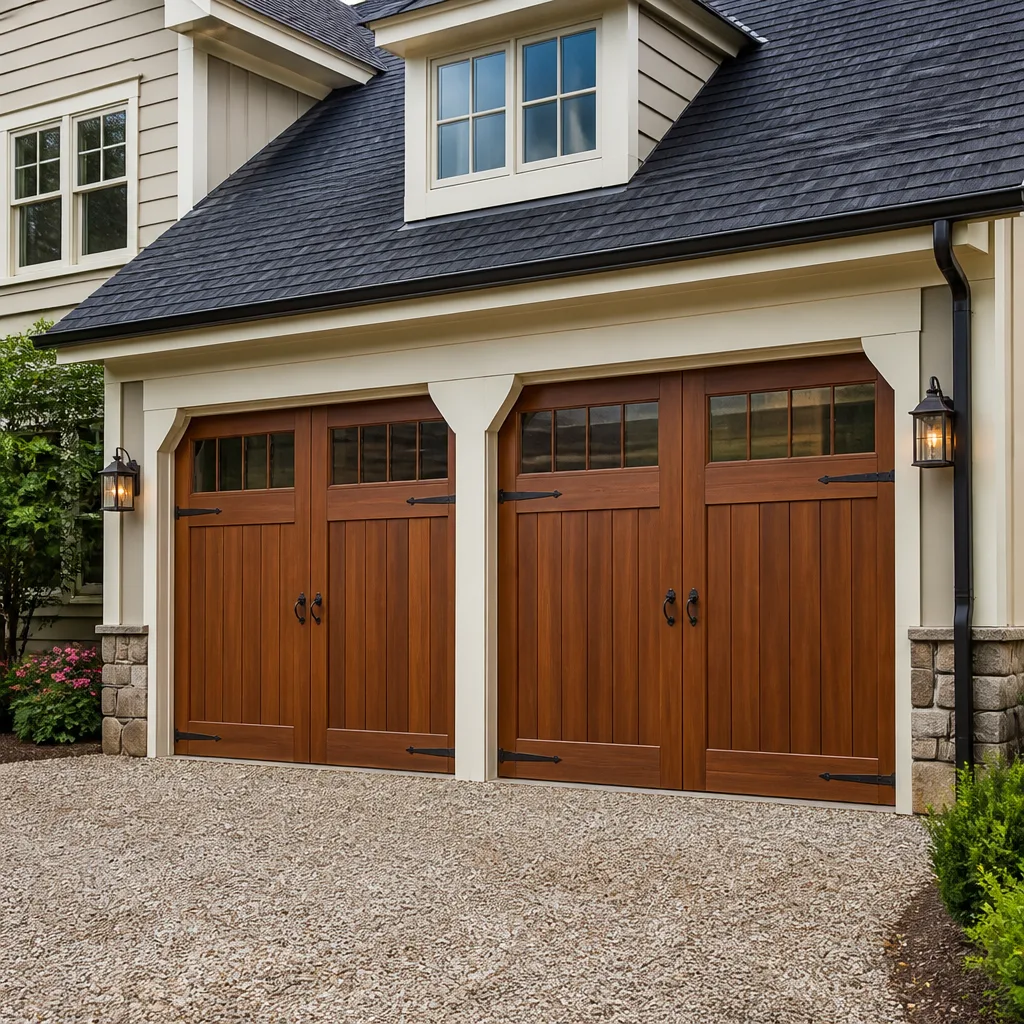 Carriage house
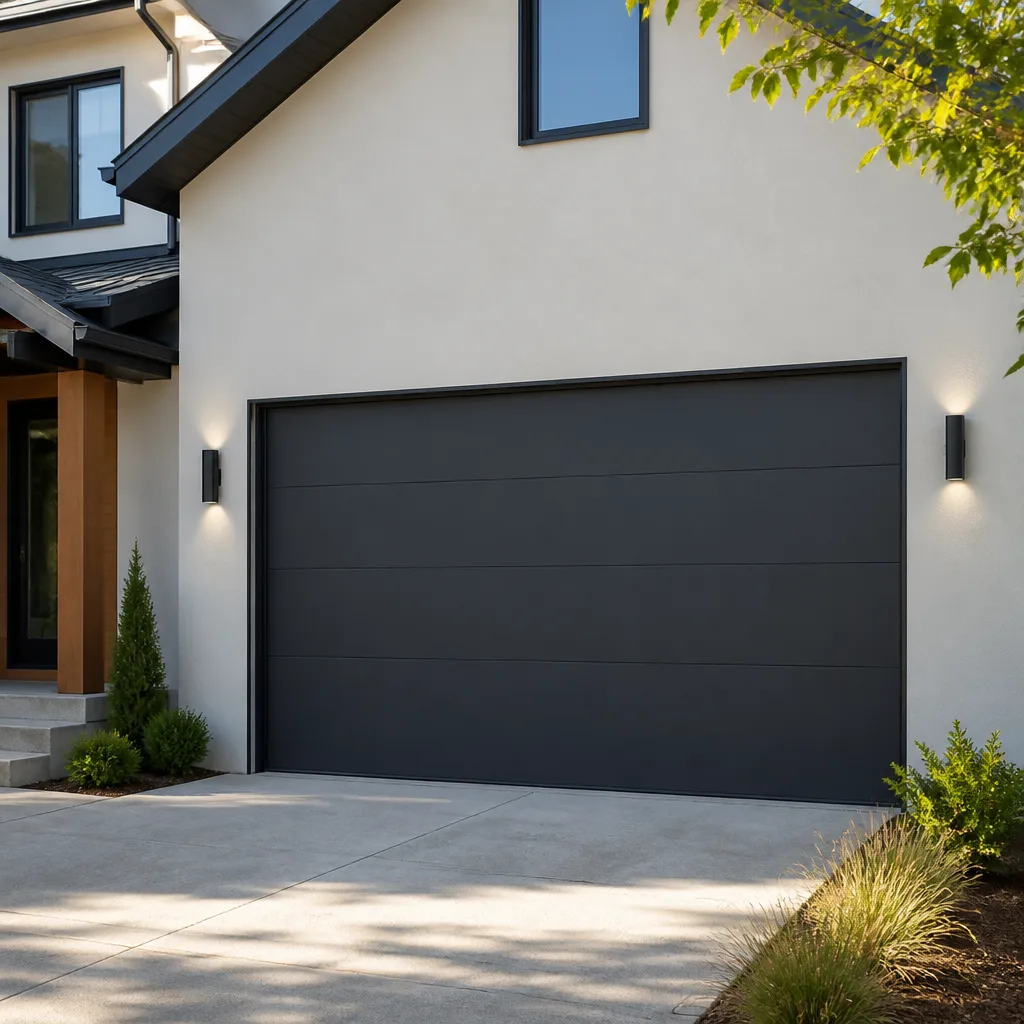 Modern flush
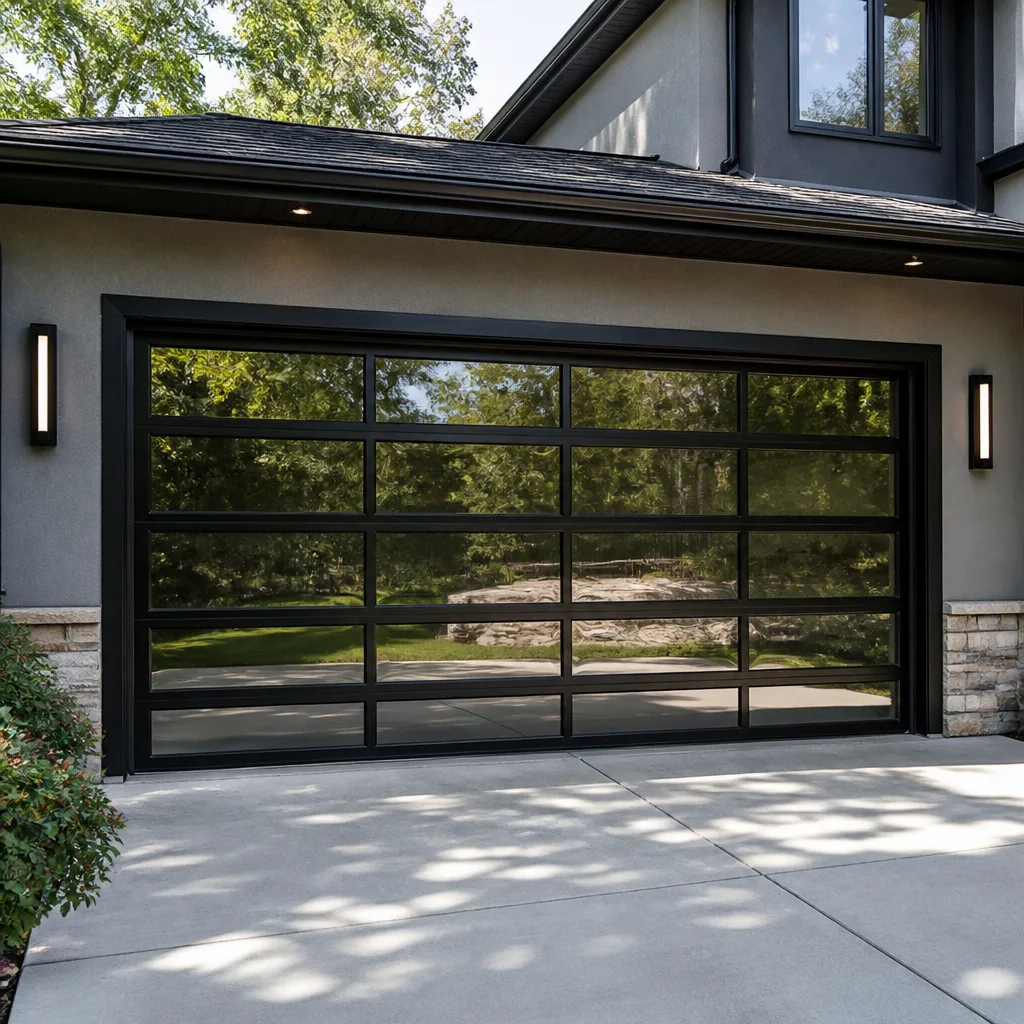 Full-view glass
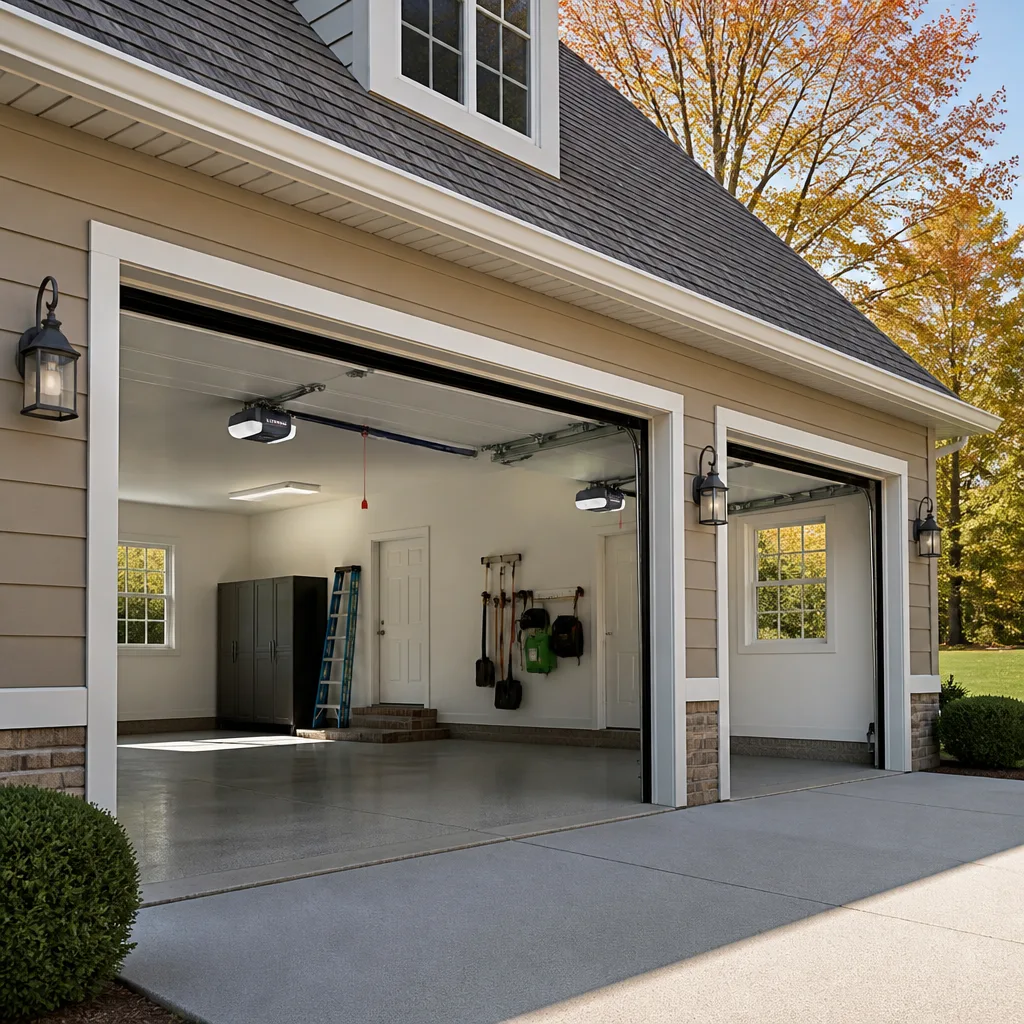 LiftMaster openers
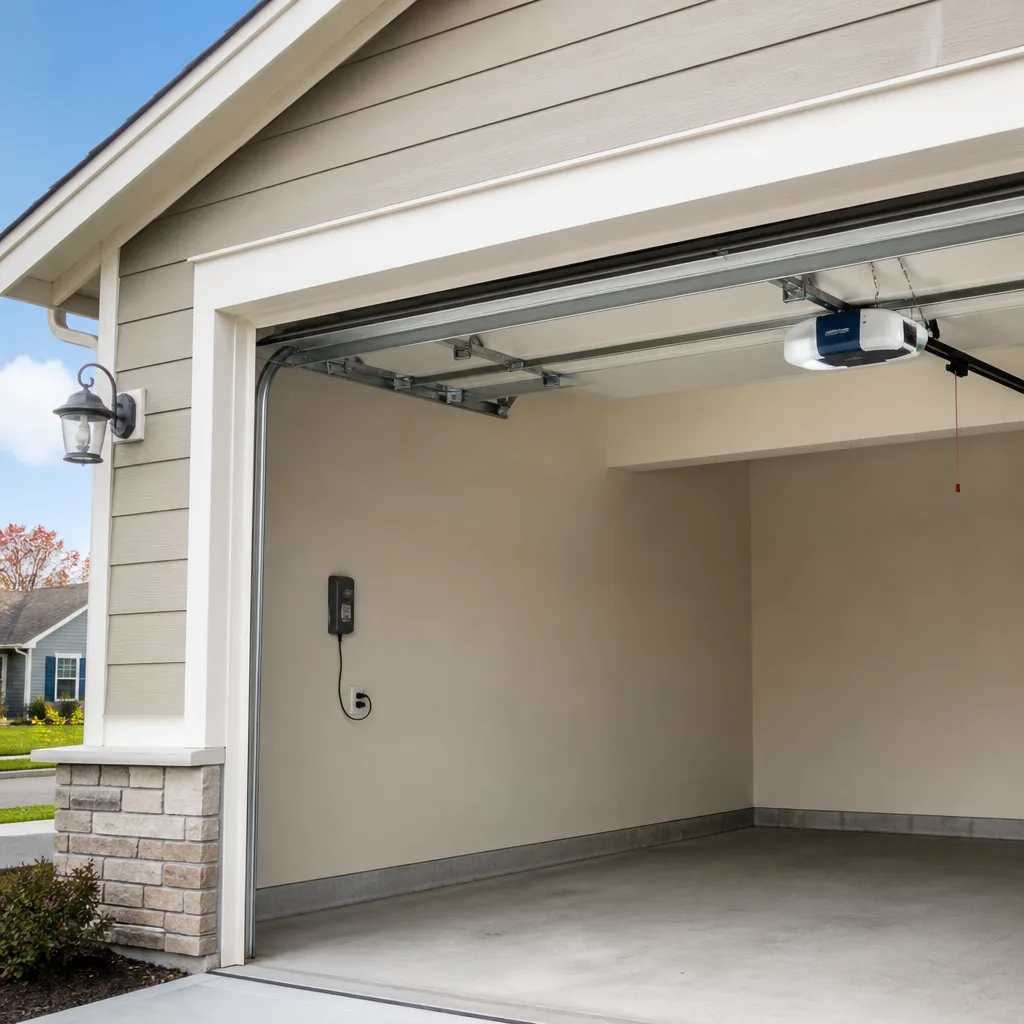 Chamberlain openers
Full 25-point door and opener safety check with every visit - springs, cables, rollers, tracks, and your LiftMaster or Chamberlain opener included
You get a price before we start. It does not change when the truck arrives.
Get your free estimateGarage Door Cost Breakdown: The San Diego Homeowner’s Reference for 2026
In the last three years, we’ve watched the gap between advertised garage door prices and final invoices in San Diego widen to the point where the sticker price is nearly meaningless. The $799 single-door deal you saw on a flyer assumes a builder-grade non-insulated slab, no disposal of the old door, no rail replacement, and a spring config that meets minimum spec. By the time you add what San Diego homes actually need, that number is often $1,400 or more. This guide explains why, line by line, so you can read a quote like a contractor instead of a customer, and for more guides & resources on keeping your garage door running smoothly.
Quick Answer
Garage door cost in San Diego for 2026 runs from about $850 for a basic single non-insulated replacement to $7,500 or more for a custom wood double door with a smart opener, with most full replacement jobs landing between $1,300 and $3,200 installed. San Diego pricing runs 12 to 20 percent above national averages because of three structural factors: coastal hardware requirements, higher labor rates driven by the local cost of living, and strict haul-away and permit compliance costs. We’ll break down each of those below.
Styles & brands we work with
Table of Contents
- Real 2026 Price Ranges for Every Door Type
- What Costs More in San Diego (And What’s Just Markup)
- Spring Replacement Pricing: Torsion vs. Extension and the Coastal Variable
- Opener Pricing by Technology Tier: From Chain Drive to Smart myQ
- How to Read a Quote Line by Line
- What a Legitimate Itemized Invoice Looks Like
- Common Mistakes to Avoid
- When to Call a Professional
- Frequently Asked Questions
- The Bottom Line
Real 2026 Price Ranges for Every Door Type
Here’s what we’re actually quoting on jobs across San Diego neighborhoods this year, from Chula Vista to Carlsbad. These ranges include labor, basic hardware, and haul-away of the old door. They assume a standard 7-foot height and a functioning garage-door framing structure.
Single Door, Non-Insulated: $850 to $1,400
This is the entry point. A 8×7 or 9×7 steel door, 25-gauge pan construction, no insulation, basic white or almond finish. Labor runs $300 to $450. The hardware package (tracks, hinges, rollers) adds another $180 to $260. These doors are common in detached garages in neighborhoods like North Park or South Park where the garage isn’t living space. They’re loud, they let heat through, and the steel panels dent when a bike falls into them. But if you park a car and nothing else, they work. One thing most homeowners don’t know: the spring included at this tier is the lightest available. If you ever upgrade the door later by adding a strut or a mid-shelf, you’ll need new springs too.
Single Door, Insulated: $1,500 to $2,600
Same dimensions, but now you’re looking at a 2-inch-thick or 3-layer sandwich-construction door with polystyrene or polyurethane insulation. In San Diego, this is the most common choice for attached garages because it keeps the house cooler in July through September when the sun hits the door for six hours a day. The panels are heavier, so the spring goes up a size and the rail brackets get reinforced. Labor is slightly higher, typically $380 to $520, because setting heavier panels and balancing them correctly takes more time. Expect a brand-name door here: Clopay and Amarr dominate this tier, and Raynor makes a solid mid-range option. You’re also getting a better seal package at this level, which matters during Santa Ana season when dust blows under the door edge.
Double Door, Non-Insulated: $1,200 to $1,900
A 16×7 double door without insulation. Steel, single-layer, basic hardware. These show up on older San Diego homes where the garage has never been converted and likely never will be. The price delta from a single door comes from the wider rail span, the larger spring (or dual-spring setup), and more panel surface. You’ll see these quoted in Lakeside, El Cajon, and parts of Spring Valley. They’re functional. The catch: a double door that size, even uninsulated, puts real tension on the spring system. Skip the cheapest spring here and you’ll be replacing it within three years.
Double Door, Insulated: $2,600 to $3,800
This is the bread-and-butter job for most San Diego garage door companies. Attached garage, two-car household, maybe a home gym or workshop in the garage. The door is heavy, the spring pair is oversized, and the labor is real: two technicians, roughly four to five hours including removal and balancing. The brand mix here includes LiftMaster openers paired with Clopay or Amarr doors. In coastal neighborhoods like Point Loma, La Jolla, and Del Mar, we add anti-corrosion hardware (nylon rollers, galvanized hinges, stainless cables) which pushes the price toward the upper end of this range. Inland, like Rancho Bernardo or Poway, the standard hardware holds up fine at the lower end.
Custom Wood Door: $4,500 to $9,000+
Custom cedar, redwood, or composite wood-look doors are the most unpredictable category, and the pricing variance comes from the wood species, the panel design, and whether the door is site-built or factory-made. In San Diego, true wood doors on coastal homes face a double challenge: salt air degradation and direct sun on west-facing garage elevations. A redwood door in Del Mar needs a marine-grade sealant reapplied every 18 to 24 months. A factory-built composite like a Wayne Dalton wood-look door costs less to maintain but still starts around $4,200 for a double. These doors are also the heaviest; the spring setup is custom, and the labor for a proper installation runs two full days. Budget 10 to 15 percent annually on maintenance if you go this route.
Key Takeaways:
- Most San Diego replacements land between $1,300 and $3,200 installed. Use that as your baseline for budgeting.
- Insulation adds $600 to $1,200 over non-insulated at the same size.
- Custom wood is a minimum $4,500 and a maintenance commitment, not a onetime purchase.
- Coastal homes should expect hardware upgrades that add $150 to $300 regardless of door tier.
What Costs More in San Diego (And What’s Just Markup)
Three things legitimately drive San Diego garage door costs above the national average. Two other things show up on invoices and deserve a hard look. Here’s the distinction.
Legitimate Cost Driver #1: Coastal Hardware Requirements
If you live within three miles of the coast from Imperial Beach to Oceanside, the salt air is working on your door hardware year-round. Standard zinc-plated hinges and steel rollers corrode in 18 to 24 months. The fix is galvanized hinges, nylon rollers with sealed bearings, stainless-steel cables, and powder-coated tracks. This adds $150 to $300 to a full install. A contractor quoting you a national-average price without asking for your ZIP code is almost certainly installing inland-spec hardware on a coastal home. You’ll be paying for replacement parts within two years.
Legitimate Cost Driver #2: San Diego Labor Market
San Diego contractor labor rates run 15 to 25 percent higher than Dallas, Phoenix, or Charlotte because the cost of living is higher and competing trades (electricians, plumbers, HVAC techs) set a wage floor that garage door work has to match to keep trained people on the payroll. A garage-door technician in San Diego earns $28 to $38 an hour before benefits. The day-rate loaded cost to a company is $450 to $600 per technician per day. Two technicians on a four-hour double-door install means $450 to $600 in labor alone before the company sees a dollar of margin. That’s not markup; that’s what the work actually costs here.
Legitimate Cost Driver #3: Disposal and Compliance
San Diego’s construction and demolition debris rules mean you can’t just drop an old garage door in your regular trash bin. A 16×7 steel door disassembles into 150 to 200 pounds of metal and paneling. Licensed haulers charge $75 to $150 per door for processing at Miramar Landfill or a certified recycling facility. Some contractors bury this fee in the “miscellaneous” line; the honest ones list it as a separate line item. Either way, you’re paying it. San Diego also requires a building permit for any garage door replacement that involves structural modification (widening the opening, replacing the header, changing from a swing door to an overhead track system); see our Garage Door Permits, Codes & Inspections in CA: What You Need to Know for details. Permit fees range from $80 to $200 depending on scope, and the inspection adds another $100 to $150. A simple same-size door swap typically doesn’t need one, but a contractor who says “we never pull permits” on a structural job is shifting risk onto you.
Suspicious Markup #1: Mystery “Shop Supplies” or “Job Materials” Fees
Some quotes include a line called “materials” or “supplies” that’s 20 to 30 percent of the door price and isn’t itemized. Ask what it covers. If the answer is vague, it’s padding. Legitimate consumables on a garage door install are minor: lubricant, a few brackets, track spacers. That’s $30 to $60 of stuff, not $400.
Suspicious Markup #2: The “Free Upgrade” That Isn’t Free
A quote that advertises a free opener upgrade or a free insulation upgrade is worth the same amount of skepticism you’d apply to a car dealership’s “free” floor mats. The cost is in the door price. Compare the door model number line against the same model at another company and subtract the claimed upgrade value. If the math doesn’t work, the upgrade was never free.
Spring Replacement Pricing: Torsion vs. Extension and the Coastal Variable
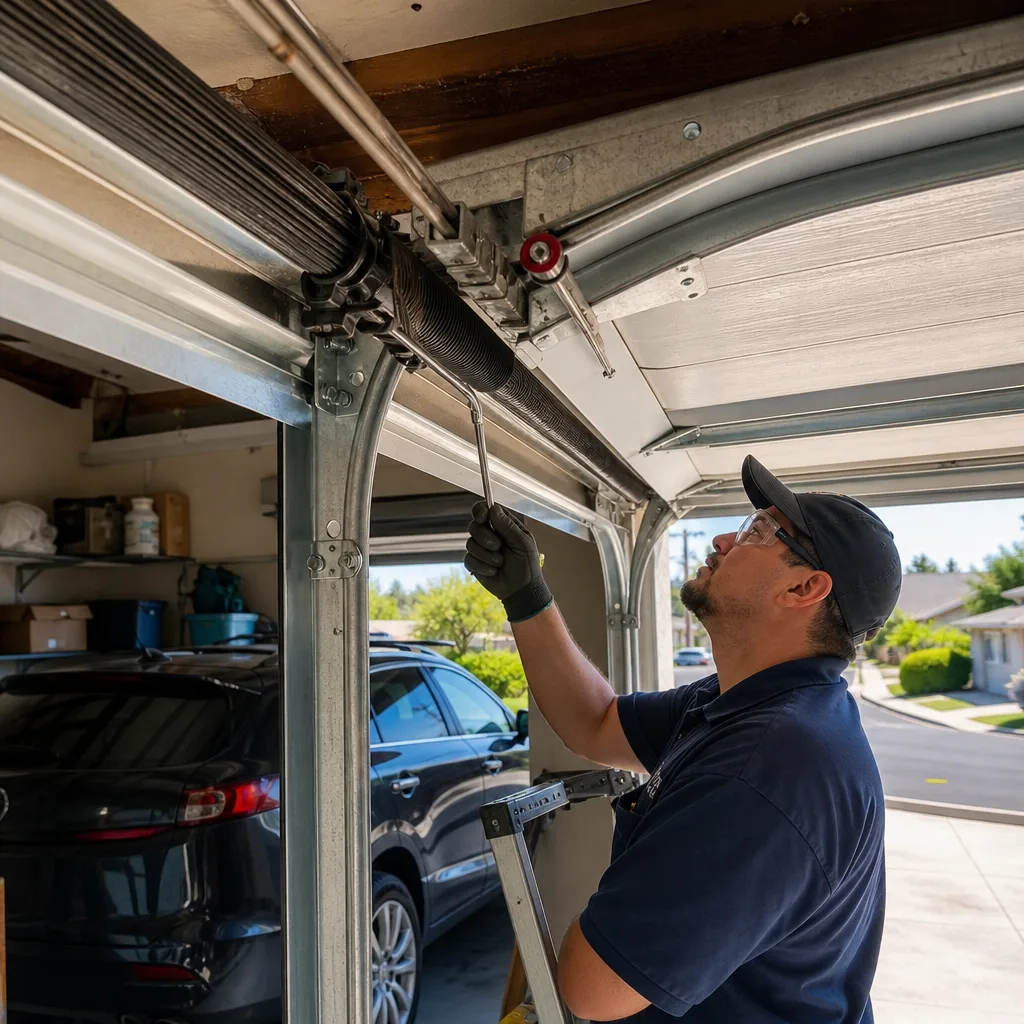
Spring replacement is the most common repair call we run at Eagle Garage Door Service home, and it’s the area where San Diego homeowners are most likely to be under-quoted. What you pay depends on the spring type, the cycle rating, and whether you live near the coast. This section covers all three.
Torsion Springs: $180 to $340 per pair installed
Torsion springs sit on a shaft above the door opening and wind up under very high tension. Most modern San Diego homes built after 1985 use torsion systems. The spring itself costs $50 to $90 wholesale depending on wire diameter and cycle rating. Labor accounts for most of the price because adjusting torsion springs correctly requires a winding process that cannot be safely done without the right bars and training. A pair of standard 10,000-cycle torsion springs installed in El Cajon will run about $180 to $220. The same pair in Carlsbad with a 20,000-cycle rating runs $280 to $340.
Extension Springs: $150 to $260 per pair installed
Extension springs mount on the sides of the tracks and stretch to lift the door. You’ll mostly find these on pre-1985 homes across San Diego, especially on single-car garage doors in Clairemont, Allied Gardens, and parts of National City. They cost less because the parts are simpler and the labor time is shorter. The trade-off: when an extension spring breaks, it can snap and send metal fragments across the garage. Modern codes require a safety cable inside the spring, but many older San Diego homes lack them. Every time we install extension springs at Garage Door Repair in San Diego, we run a safety cable regardless of whether one was there before. It’s a $15 part that keeps a broken spring from hitting a car, a wall, or a person.
Why Coastal Zones Pay More Up Front and Less Over Five Years
Standard springs are rated for 10,000 cycles, which for most households is about six to eight years of use. Near the coast, the salt air accelerates corrosion on the spring coil surface. The steel fatigues faster, and you might get four to five years instead of eight. The alternative is a high-cycle spring rated for 25,000 or 50,000 cycles and built with humidity-resistant coating. These cost $30 to $60 more per spring. Over five years, a coastal homeowner who opts for the high-cycle spring spends less than one who replaces standard springs twice. We recommend the upgrade for any home within five miles of the ocean.
Quick Reference:
- Standard torsion springs (10,000 cycles): $180 to $240 pair installed.
- High-cycle torsion springs (25,000+ cycles): $240 to $340 pair installed.
- Extension springs: $150 to $260 pair installed, safety cable included.
- Coastal homes: spec high-cycle or plan on replacing springs every four to five years.
Opener Pricing by Technology Tier: From Chain Drive to Smart myQ
Garage door opener pricing is the clearest illustration of how paying more upfront reduces long-term frustration. The tiers below reflect what you’ll pay for the opener unit plus installation from any San Diego company. We service all of these at Garage Door Opener Repair in San Diego, so our pricing view here comes from thousands of repairs, not just catalog data.
Chain Drive: $400 to $550 installed
A chain-drive opener is a metal chain that pulls the trolley along the rail. It’s loud, it vibrates, and it’s been the standard for 30 years. In San Diego, we see these installed in detached garages where noise doesn’t matter, or on rental properties where cost is the only consideration. Brands like Chamberlain and Craftsman dominate this tier. The chain stretches over time and needs periodic tightening every two to three years. If you sleep above the garage or have a home office in the garage, this is the wrong choice.
Belt Drive: $550 to $750 installed
Belt-drive openers replace the chain with a reinforced rubber belt. The difference is night-and-day: a belt drive is quiet enough to run at 6 a.m. without waking anyone. In San Diego, where many garages sit directly under master bedrooms, this is the default recommendation for attached homes. LiftMaster owns this category. The belt lasts longer than a chain and doesn’t stretch. For $150 to $200 more than a chain drive, it’s the best value upgrade most homeowners will ever make on their garage, short of buying an insulated door.
Direct Drive (Jackshaft): $600 to $900 installed
A direct-drive opener mounts on the wall next to the door and turns the torsion shaft directly. No rail, no trolley, no belt. The unit is smaller, uses less ceiling space, and can mount on either side. Two San Diego use cases: garages with high-lift tracks (for ceiling storage or car lifts), and garages with low ceilings where a traditional rail won’t fit. They’re quieter than belt drives and have fewer moving parts. The downside is cost and installation complexity. Expect $100 to $150 more in labor than a standard rail opener. Raynor makes direct-drive units worth considering alongside LiftMaster’s lineup.
Smart Openers with myQ: $650 to $850 installed
Smart openers add Wi-Fi connectivity. You get phone alerts when the door opens, remote closing from anywhere, and integration with Amazon Key or delivery services. In San Diego, the practical benefits are real for people who surf, hike, or forget to close the door. The myQ system from LiftMaster or Chamberlain gives you a log of every open/close event, which is useful if you have contractors, cleaners, or family members coming and going. The hardware adds about $80 to $120 over the equivalent non-smart opener, and installation is the same. The weak point is the Wi-Fi itself: in garages with thick concrete walls or a router at the opposite end of the house, the opener may need a range extender, adding $60 to $90 installed.
Which Tier Makes Sense for Your San Diego Home?
Detached garage, car storage only: chain drive, $400 to $550. Attached garage with bedrooms above: belt drive, $550 to $750. High-lift or limited ceiling space: direct drive, $600 to $900. Remote access and notifications matter: belt or direct drive with smart features, $650 to $850. There’s no scenario where paying extra for a smart chain drive makes sense; put that money into a quieter belt motor instead.
How to Read a Quote Line by Line
Reading a garage door quote in San Diego is a skill, and our Garage Door Repair Maintenance Checklist for San Diego Homeowners can help you avoid learning it the expensive way. A quote should have at least six distinct line items. If yours has two, you’re being asked to trust the contractor more than you should. Here’s what each line means and where contractors hide things.
Line 1: Door Model and Size
This should be specific: manufacturer brand (e.g., Clopay, Amarr, Raynor), model name or number, door dimensions (16×7, 9×7), insulation R-value, and panel construction (steel gauge, layer count). Vague language like “premium steel door” with no model number is a red flag. Ask for the model number and look it up. If the contractor won’t give it to you, walk.
Line 2: Hardware Package
Track gauge, roller material, hinge material, cable type. On coastal San Diego homes, this line should say “galvanized” or “stainless” or “nylon.” If it doesn’t specify, it’s the bargain package. Replacement hinges and rollers for a double door run $80 to $140 installed at year three or four; on a coastal door, that’s guaranteed spend unless you spec the better hardware at day one.
Line 3: Spring System
Spring type (torsion or extension), number of springs, and cycle rating. This line tells you whether your door is being balanced for the long haul. A single 10,000-cycle spring on a double door is undersized; it’ll fail sooner and take the opener motor with it as it weakens. Two springs rated 25,000 cycles is the right spec for most San Diego homes. Cycle rating should be a number, not an adjective.
Line 4: Labor
Labor should be broken down by job type: removal, installation, spring winding and balancing, opener installation (if part of the quote), and cleanup. In San Diego, you’re paying $100 to $180 per technician per hour. A two-person crew for a four-hour double-door install is $800 to $1,440 of labor. If labor is lumped into a single door price, ask what the labor portion is. Companies that won’t separate it are usually hiding margin or padding for unknown conditions.
Line 5: Disposal / Haul-Away
The old door, the old tracks, and any packaging material have to go somewhere. In San Diego, that costs $75 to $150 per door. If this line is missing, ask where it’s accounted for. Some companies bury it in “administrative fee” or “logistics.” The ones that list it plainly are the ones you can trust on the rest of the quote.
Line 6: Permit (If Applicable)
Same-size replacement on existing tracks: no permit needed. Widening the opening, replacing the header, or changing the door style from swing-out to overhead: a permit is required in San Diego County and in the cities that have their own inspection departments. Expect $80 to $200 in permit fees plus an inspection. A contractor who tells you permits are optional on a structural job is telling you something about how they handle liability.
What a Legitimate Itemized Invoice Looks Like
Here’s an actual structure we use for a mid-range double insulated door replacement in San Diego. The numbers are representative, not a binding quote, but the structure is what you should see on any invoice.
| Line Item | Description | Amount |
|---|---|---|
| Door | Clopay 16×7 insulated steel, R-12, white, 3-layer | $1,450 |
| Hardware | Galvanized hinges, nylon rollers, stainless cables, powder-coated tracks | $380 |
| Springs | Pair, torsion, 25,000-cycle, coastal-rated | $190 |
| Labor | Removal, installation, balancing, opener mounting (4 hours, 2 techs) | $620 |
| Disposal | Haul-away of old door and hardware | $110 |
| Opener | LiftMaster belt drive, smart myQ | $280 |
| Opener Labor | Installation and programming (included in labor above) | $0 |
| Total | $3,030 |
Compare that to a single-line quote: “Double door with opener, installed: $3,200.” The single-line version doesn’t tell you whether you’re getting a Chamberlain chain drive or a LiftMaster belt drive. It doesn’t say if the springs are standard or high-cycle. It doesn’t say if the hardware is coastal-rated. Those three unknowns are worth about $700 in part quality. The itemized invoice protects you; a single number protects the contractor.
Deeper San Diego Market Factors in 2026
Three things are shaping San Diego garage door pricing this year that didn’t exist at this scale three years ago.
Steel Tariff Pass-Through
Garage door panels are stamped from galvanized steel coil, and in 2025 and 2026, domestic steel coil prices have swung 15 to 25 percent on tariff announcements alone. Door manufacturers announced two price increases in 2025, and a third is projected before the end of 2026. In San Diego, where the supply chain runs through the Port of Los Angeles and then south on I-5, you’re paying these increases promptly, not six months later. If you’re budgeting for a door replacement in late 2026, add 5 to 8 percent to what you saw quoted in early 2025.
The ADU Effect on Labor Supply
San Diego has permitted thousands of accessory dwelling units since the state streamlined ADU rules, and every ADU with a garage has a garage door. Contractors who previously split their time between retrofit work and new construction are now running two crews on new-build jobs because the volume is steady. The result: labor availability for retrofit work tightens during the spring and summer months when building is busiest. Pricing reflects that. A door replacement in March or November in San Diego runs 5 to 10 percent lower than the same job in June or August.
Smart Opener Rebate Programs
Several San Diego utilities and the San Diego Association of Governments have floated demand-response rebates for smart garage door openers that can be scheduled around peak energy periods. The rebates, when active, range from $30 to $100 off the cost of a myQ-compatible LiftMaster or Chamberlain opener. Check with your electricity provider when you schedule an opener install; the programs are intermittent, and a few weeks of timing can mean $50 back in your pocket.
Common Mistakes to Avoid
- Accepting a quote without a model number. A quote that says “insulated door” but doesn’t specify brand, model, gauge, and R-value is a blank check. You’ll get the cheapest panel the distributor had in stock. Always ask for the exact model number.
- Buying on total price alone. A $950 single-door install that uses the cheapest hardware and a 10,000-cycle spring is more expensive over five years than a $1,300 install with good hardware and high-cycle springs. San Diego’s coastal environments accelerate the payback.
- Ignoring coastal hardware if you’re near the water. If your home is within three miles of the coast, regular hardware will rust. You’ll pay for galvanized or stainless eventually. Paying for it at install costs less than paying for it as a repair in 24 months.
- Skipping the high-cycle spring out of impatience. The standard spring is cheaper today. On a double door used four to six times per day in a coastal San Diego home, it fails faster than the standard cycle rating predicts. High-cycle springs are the cheapest long-term upgrade in the entire garage door category.
- Not confirming disposal on the quote. A contractor who doesn’t mention haul-away on the quote will either add it at the end or leave the old door in your driveway. Neither is acceptable. Get it in writing.
- Assuming opener price includes the opener. Some companies advertise “garage door replacement $899” and don’t mention that a new opener, which most replacement jobs need or benefit from, is a separate $400 to $700 line. Ask whether the opener is included, and if so, which brand and drive type.
- Waiting until the door fails to get a quote. Emergency replacement pricing in San Diego runs 15 to 20 percent above scheduled replacement because the contractor has to reorder their day. If your door is over 15 years old, get a quoted range now and decide on your timeline instead of the door deciding for you.
When to Call a Professional
Garage door springs are under enough tension to cause serious injury or death if mishandled. The cables that lift the door run through pulleys and can snap. The door itself weighs 150 to 400 pounds. If any of the following apply, stop and call someone who does this every day: the spring is visibly broken or the door won’t lift at all; the cables are frayed, loose, or hanging; the door is off-track or binding; the opener motor runs but the door doesn’t move; or you’ve had a high-force impact on the door from a car or a falling object. These are not DIY weekend projects. Eagle Garage Door Service offers free estimates in San Diego – call (888) 783-4032 and we’ll send a technician who has worked on your exact brand, whether it’s Raynor, LiftMaster, Chamberlain, or another major manufacturer.
Frequently Asked Questions
A realistic installed price for a garage door in San Diego in 2026 ranges from about $850 for a basic single non-insulated door to $3,800 for a double insulated door, with custom wood doors starting around $4,500. Labor, hardware, disposal, and coastal upgrades are all included in those ranges. Call (888) 783-4032 for a written quote on your specific door size and neighborhood.
For most standard-sized doors we have in stock or can source same-day from San Diego distributors, same-day or next-day replacement is realistic. Custom doors, unusual sizes, or high-lift track conversions typically take three to seven days because parts are ordered and fabricated to spec. Call Eagle Garage Door Service at (888) 783-4032 and we’ll tell you upfront which category your job falls into.
The price should not change unless there’s a structural issue that couldn’t be seen in photos or described over the phone, such as a rotted header, non-standard spring configuration, or existing track damage. Any legitimate company will show you the issue and get your approval before proceeding. Be skeptical of any contractor who finds surprise charges after the old door is off. At Eagle Garage Door Service, the price we quote is the price you pay unless we find something we can show you and you approve.
Our San Diego trucks carry the most common spring sizes, cables, rollers, hinges, and safety hardware, plus opener components for LiftMaster, Chamberlain, and Genie systems. For a full door replacement, the door is ordered to your exact size and panel selection, so it arrives on the day of installation rather than riding around in a truck for weeks. We’ll tell you before we dispatch what’s likely to be handled on-site versus ordered.
San Diego prices run 12 to 20 percent above national averages because of three factors: coastal hardware requirements that add $150 to $300 per door, higher labor rates driven by the local cost of living and construction wages, and mandatory licensed disposal fees for old doors that many cities in other states don’t require. These aren’t contractor markups; they’re structural costs of doing this work properly in San Diego County.
For San Diego homeowners who use their garage as a main entry point, yes. Smart openers with myQ give you remote close and open capabilities, activity logs, and integration with delivery services. The $80 to $120 premium over a standard opener pays for itself the first time you close the door from work instead of driving home to check. Ask whether your LiftMaster or Chamberlain opener has built-in Wi-Fi or needs a hub before you buy.
The Bottom Line
San Diego garage door pricing in 2026 rewards homeowners who understand what drives the cost. A $799 advertised price is a starting point, not a final number. Insulation, coastal hardware, proper spring spec, and licensed disposal are real costs that show up in the right way on invoices that break them out. The cheapest quote rarely ends up cheapest over a five-year horizon, and the difference is usually the parts you can’t see until the door is off: springs, hinges, cables, and seals. Get a quote with specific models, cycle ratings, and disposal listed. Compare on those details, not on the bottom line. When you’re ready, call Eagle Garage Door Service at (888) 783-4032 for a free estimate from a specialist who works on Garage Door Installation in San Diego every day.
Written by the team at Eagle Garage Door Service, serving San Diego since 2015.
See the difference
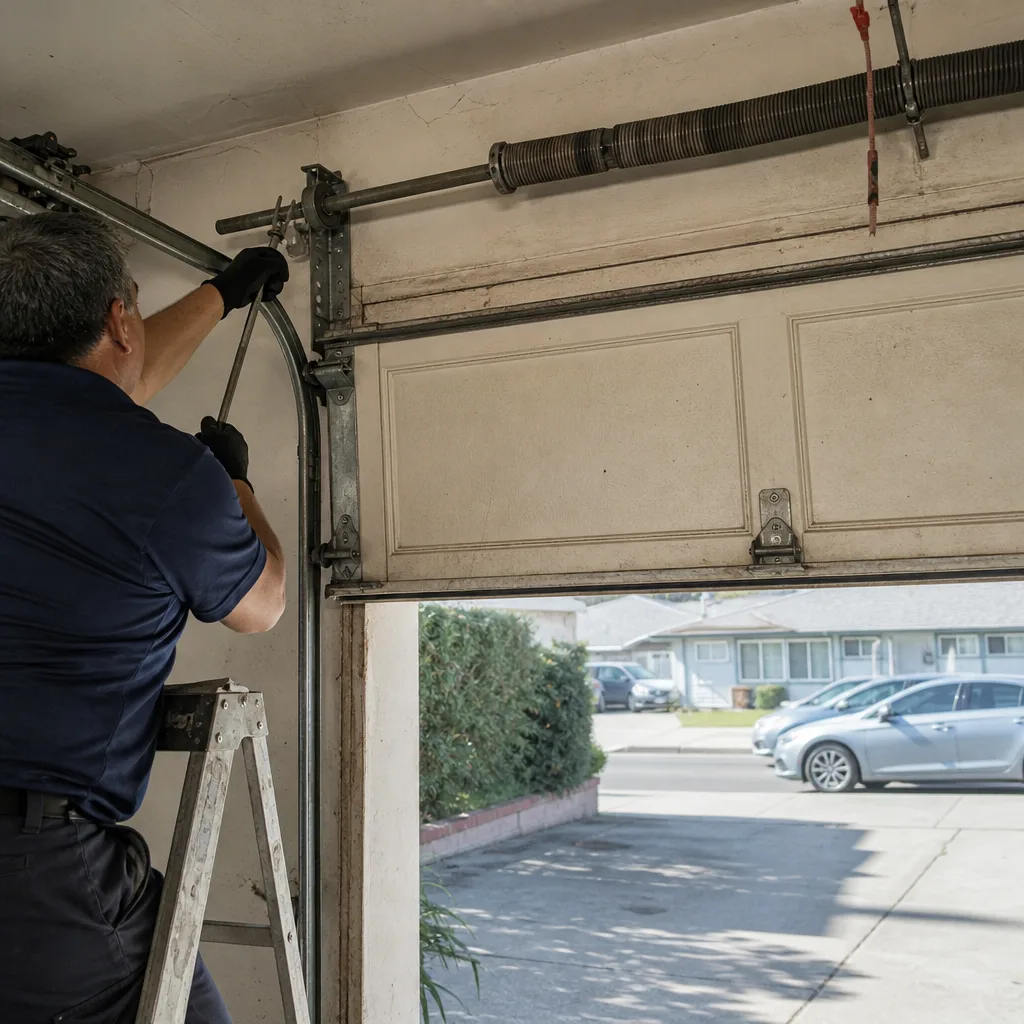 Before
 After
 Before
 After
 Before
 After