
Last updated October 31, 2026
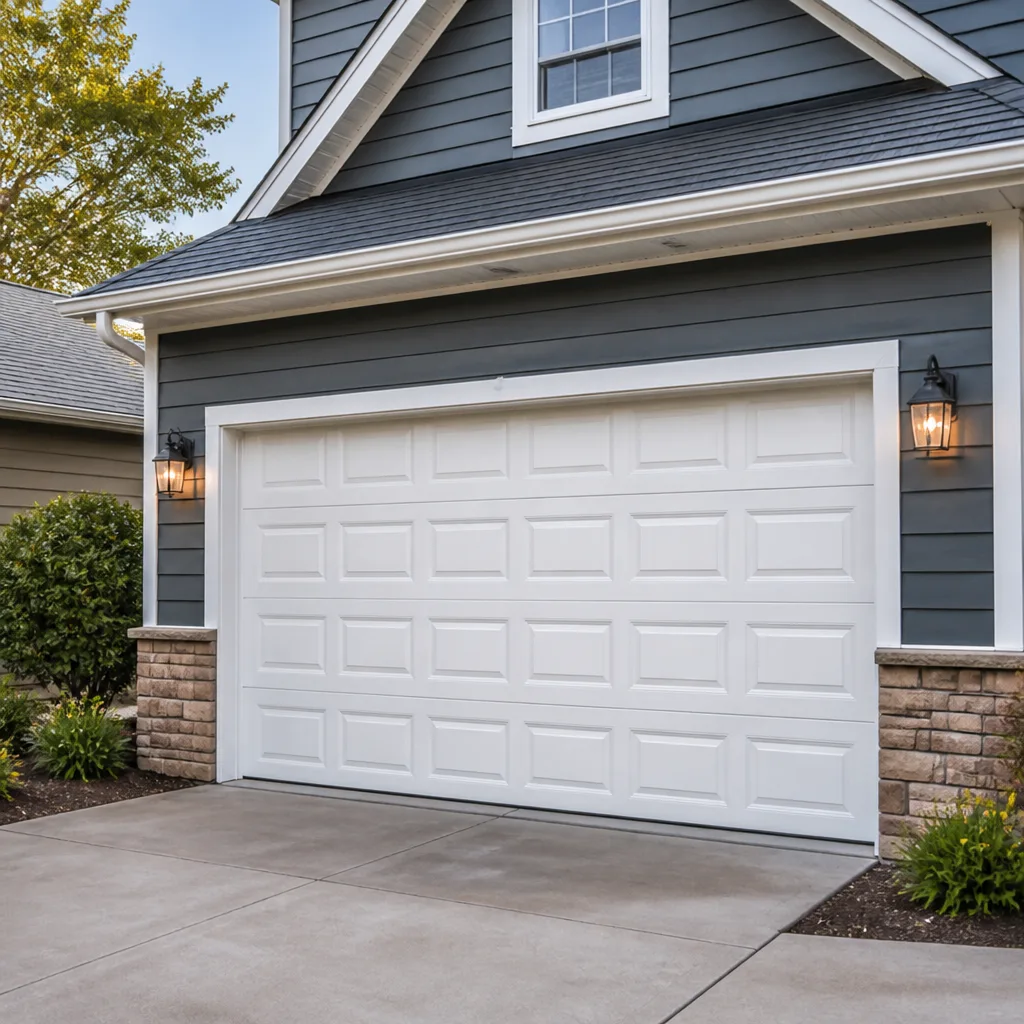 Raised-panel steel
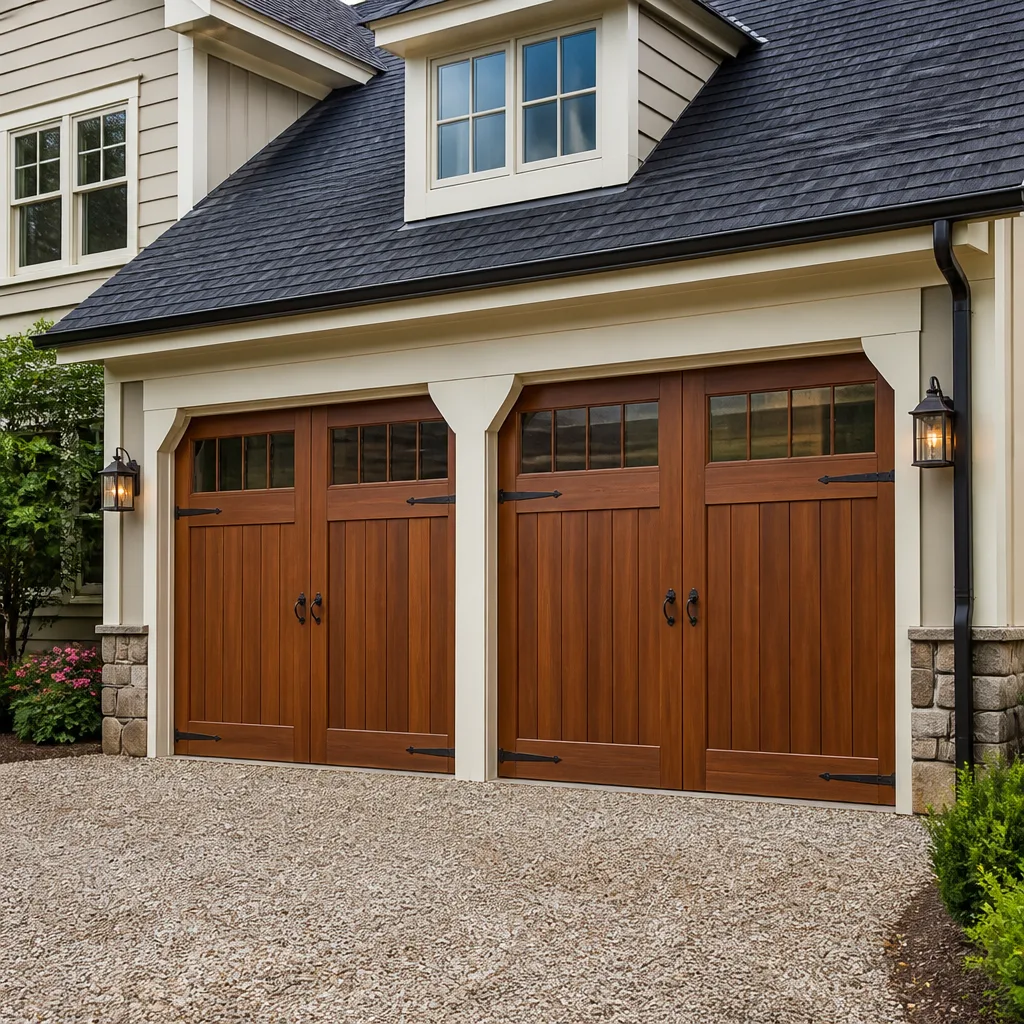 Carriage house
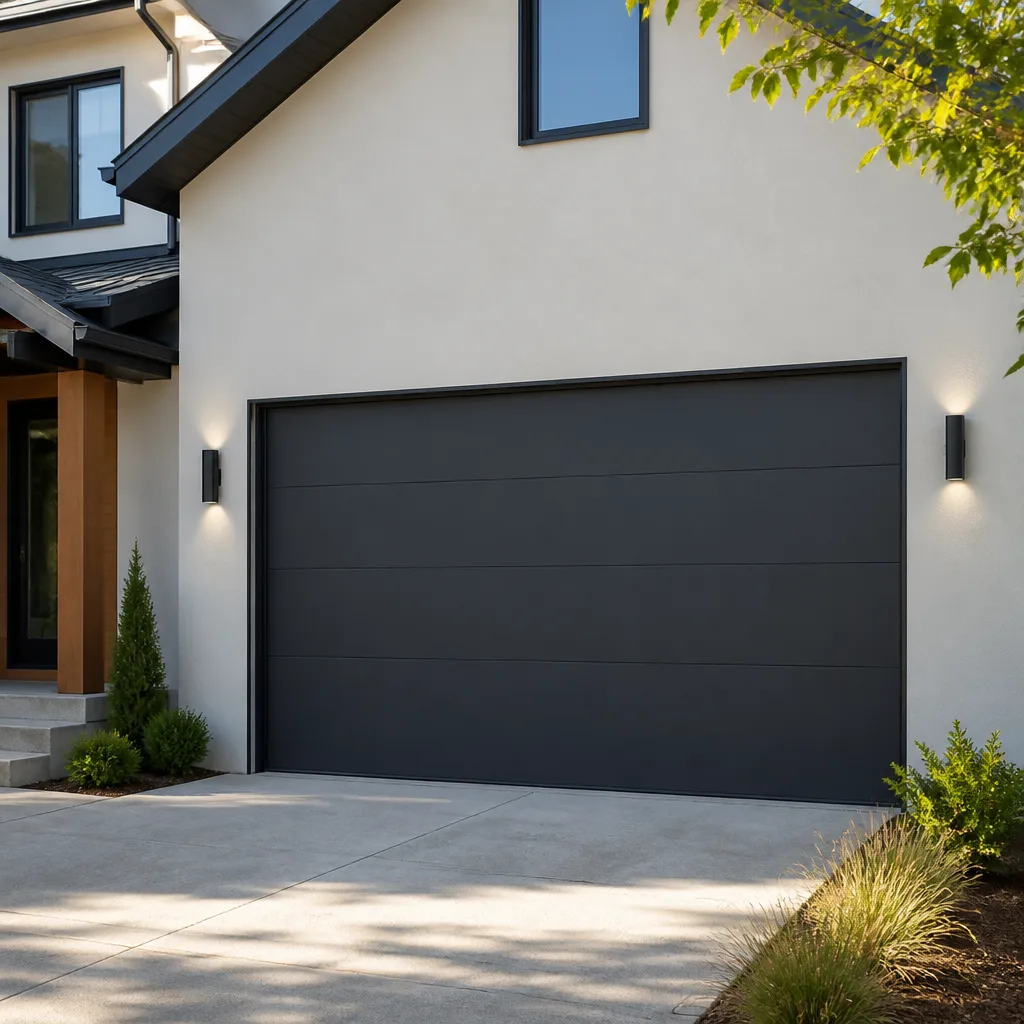 Modern flush
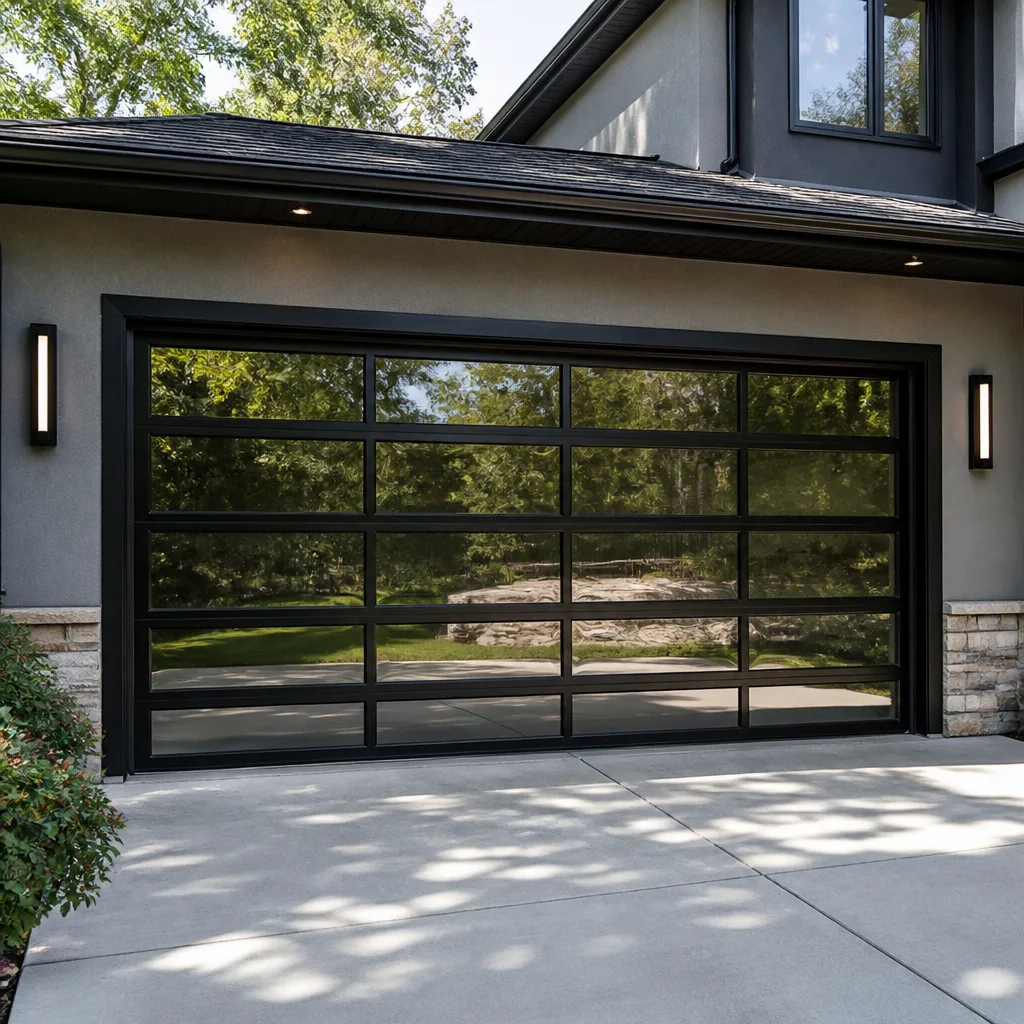 Full-view glass
 LiftMaster openers
 Chamberlain openers
Full 25-point door and opener safety check with every visit - springs, cables, rollers, tracks, and your LiftMaster or Chamberlain opener included
You get a price before we start. It does not change when the truck arrives.
Get your free estimateGarage Door Permits, Codes & Inspections in CA: What You Need to Know
Most California homeowners can replace a garage door panel, swap a broken spring, or install a new opener motor without ever contacting a building department. But replace the full door assembly on an attached garage in San Diego, and you may have just crossed a line that requires a permit, a plan review, and an inspection. The distinction catches people off guard every month, usually when a home sale stalls over an unpermitted installation that no one thought twice about at the time. This guide explains exactly where those lines are under California’s building code, how San Diego County enforces the rules, and what inspectors actually check when they show up at your door.
Styles & brands we work with
Quick Answer
In California, garage door repairs involving individual parts are generally permit-exempt, but replacing the entire door system on an attached garage in San Diego typically requires a building permit, especially when the opening size changes or structural components are modified. Garage door opener installations that involve new electrical circuits need an electrical permit, while simple plug-in replacements usually don’t. For a deeper look at diagnosing issues before they escalate, see our Garage Door Repair Troubleshooting: Common Problems and How to Fix Them. Unpermitted work can create problems during resale when buyers’ inspectors compare the current installation against city records.
Table of Contents
- What Triggers a Permit Requirement in California
- Repair vs. Replacement: Where the Legal Line Sits
- How San Diego County Enforces Garage Door Codes
- Title 24 and Insulated Garage Doors: What the Energy Code Demands
- What Inspectors Actually Look For: The Real Checklist
- Unpermitted Garage Door Work at Resale: The Consequences
- Step-by-Step: Pulling a Permit in San Diego
- Common Mistakes to Avoid
- When to Call a Professional
- Frequently Asked Questions
- The Bottom Line
What Triggers a Permit Requirement in California
California’s permit requirements for garage doors come from the California Building Code (CBC), which is adopted statewide and then amended locally by cities and counties. The CBC is based on the International Residential Code, but California adds its own modifications for seismic safety, energy efficiency, and fire protection. For garage doors specifically, three factors determine whether you need a permit: the scope of the work, the type of garage, and whether structural modifications are involved.
Here are the triggers that push a project into permit territory in most California jurisdictions, including San Diego:
- Complete door replacement on any attached garage – The CBC treats the garage as part of the dwelling’s structural envelope. Replacing the entire door assembly, including tracks, jambs, and header brackets, requires a permit because it affects the building’s weather barrier and structural connections. This is true even if the new door is the same size as the old one.
- Changing the rough opening dimensions – Widening or heightening a garage door opening means cutting into studs, installing a new header beam, and re-engineering the load path. This is always a structural permit, not a simple door swap.
- Converting a carport to an enclosed garage – Any enclosure project requires a building permit, and the garage door is one component of that permit.
- Adding a new garage to an existing home – The door is included in the overall building permit for the addition.
- Replacing a fire-rated door on a garage attached to living space – California requires a 20-minute fire-rated door or a solid wood door not less than 1-3/8 inches thick between an attached garage and the living area. If you’re replacing a door that serves this fire-separation function, a permit and inspection are required to verify compliance.
- Installing a new electrical circuit for an opener – If the opener requires a new outlet or a dedicated circuit, the electrical work needs a permit. A simple plug-in replacement using an existing outlet doesn’t.
In our experience installing doors across San Diego, we’ve found that the attached garage door is one of the most commonly overlooked permit items in residential construction. Homeowners think of it as furniture, but the building department thinks of it as part of the wall assembly. That gap in perception creates most of the problems we see.
Repair vs. Replacement: Where the Legal Line Sits
The legal distinction between repair and replacement is where most confusion lives. The general rule in California is that repairs that restore an existing component to its original condition don’t require permits, while replacements that install a new component or alter the existing installation do. But the line is not always intuitive.
Here’s what falls on each side in practice:
Permit-exempt repairs include:
- Replacing individual door panels or sections on an existing door system
- Replacing broken springs, cables, rollers, or hinges
- Replacing a garage door opener motor on an existing bracket using the existing outlet
- Replacing weatherstripping or bottom seals
- Repainting or cosmetic work
- Reprogramming or replacing remote controls and keypads
Permit-required replacements include:
- Removing the entire door, tracks, and hardware, and installing new ones
- Changing from a single-wide to a double-wide door or vice versa
- Modifying the header or framing around the opening
- Relocating the opener or adding a new electrical circuit for it
- Installing a fire-rated door between the garage and living space
The practical takeaway: if you’re fixing what’s already there, you’re in the clear. If you’re tearing everything out and starting fresh, check with the San Diego building department before you buy the door. A licensed contractor who does this work regularly will know which projects need permitting and can pull the permit for you. Garage Door Repair in San Diego work that stays within the existing installation rarely needs city involvement.
How San Diego County Enforces Garage Door Codes
San Diego County adds a meaningful enforcement layer to California’s statewide building code. The City of San Diego and the unincorporated areas of the county each operate under separate jurisdictions with slightly different practices. Understanding which one applies to your property matters because the same garage door project can have a different permit path depending on your address.
The City of San Diego operates through its Development Services Department, which administers the California Building Code with local amendments. Unincorporated parts of the county, including communities like Alpine, Ramona, Valley Center, and Spring Valley, fall under San Diego County’s Planning and Development Services. The county’s approach to garage doors is functionally similar to the city’s, but the inspector-to-workload ratio differs, which can mean faster or slower inspection scheduling depending on where you live.
Here are the practical differences we’ve encountered working throughout San Diego:
- City of San Diego – More likely to require permits for full garage door replacements on attached garages, with a formal plan review process for structural changes. Inspections are typically scheduled within 48 hours of request in most neighborhoods.
- Unincorporated San Diego County – Permit requirements mirror the city’s for most residential work, but the inspection queue can be longer in outlying areas due to fewer inspectors covering more square miles.
- Coastal communities like La Jolla and Coronado – Environmental review and coastal development permits can add an extra step for exterior modifications, including garage door replacements that change the appearance of a street-facing elevation.
- Historic districts – If your home sits in a designated historic district, replacement garage doors may require design review, which means the material, style, and color of the door become part of the approval process.
The takeaway for San Diego homeowners: your permit obligation doesn’t change much between city and county, but the process does. A contractor with local experience knows which office to file with, what the inspectors in your area tend to focus on, and how long the approval will take. If you’re replacing a full door system on an attached garage in San Diego, assume a permit is needed until someone from the building department tells you otherwise in writing.
One more San Diego-specific factor: termite exposure. The county’s coastal climate means wood garage door frames and jambs are more susceptible to termite damage than in drier interior parts of California. When an inspector reviews a door replacement, they often look closely at the condition of the rough framing. If termite damage is found, that adds remediation work to the project before the door installation can pass inspection.
Title 24 and Insulated Garage Doors: What the Energy Code Demands
California’s Title 24 energy code intersects with garage door selection in ways that surprise many homeowners. The code’s treatment of attached garages as conditioned or unconditioned space varies by project type and climate zone, and San Diego falls in climate zones 7 and 10 depending on your distance from the coast. This affects whether an insulated garage door is recommended or effectively required.
Here’s what Title 24 actually requires for garage doors on attached garages in San Diego:
- Conditioned garages – If your garage is heated or cooled, or if you’re finishing it as living space, Title 24 requires the garage door to meet specific U-factor minimums. An insulated steel or composite door with a U-factor of 0.35 or lower is the common compliance path.
- Unconditioned attached garages – The code doesn’t require insulation in the door itself, but the wall and ceiling between the garage and the house must meet insulation requirements. The garage door is technically outside the thermal envelope.
- New construction and major remodels – New homes in San Diego are built under current Title 24 rules, which means the garage door choice is part of the energy compliance documentation. Builders document the door’s insulation value as part of the overall envelope performance.
- Replacement doors on older homes – Replacing a garage door doesn’t trigger a whole-house energy upgrade, but the new door must meet current Title 24 minimums if the garage is within the conditioned envelope.
The practical consequence: if your San Diego garage is being used as a workshop, gym, or laundry room, and you’re conditioning that space, the door becomes part of your energy budget. An insulated door from a manufacturer like Clopay or Amarr with a polyurethane core performs measurably better than a non-insulated steel door. We’ve installed both in San Diego, and the difference in garage temperature on a summer afternoon in neighborhoods like Clairemont or Tierrasanta is dramatic, often 15 to 20 degrees.
Wayne Dalton and Raynor both manufacture insulated residential doors that meet Title 24 compliance thresholds for conditioned garages. If you’re not sure whether your garage counts as conditioned space, a building inspector or a Garage Door Installation in San Diego specialist can help you determine which requirements apply to your project.
What Inspectors Actually Look For: The Real Checklist
When a San Diego building inspector arrives to sign off on a garage door permit, they walk through a specific verification sequence. Knowing that checklist in advance—like the one in our Garage Door Repair Maintenance Checklist for San Diego Homeowners—means you can make sure the installation is correct before the inspection, avoiding a failed inspection and a re-scheduling delay.
Here’s the numbered inspection sequence we see used most often in San Diego:
- Spring tension compliance – The inspector checks that torsion springs are wound to the manufacturer’s specified tension. Doors that don’t hold position when opened halfway, or that slam shut from a partially open position, indicate incorrect spring tension. This is a safety-critical check because improperly tensioned springs are a leading cause of garage door injuries.
- Header clearance and structural attachment – The inspector verifies that the horizontal track and spring assembly are mounted to solid framing. In San Diego’s seismic zone, the CBC requires specific fastener schedules for overhead door hardware. Screws into a single 2×4 are not compliant; the inspector looks for lag bolts through the header and support brackets tied to wall framing.
- Safety reverse function – The opener’s auto-reverse mechanism is tested. The inspector places an obstruction on the floor and confirms that the door reverses on contact. The photo-eye sensors are checked for proper height, typically within six inches of the floor, and alignment. California code requires this on every motorized residential garage door.
- Fire separation on attached garages – The inspector verifies that any door between the garage and living space meets the 20-minute fire-rating or solid wood 1-3/8-inch minimum. This includes the door’s self-closing hardware and the condition of the frame. Missing self-closing hinges are a common failed item.
- Seismic anchorage for jackshaft and wall-mounted openers – Wall-mounted openers, which are more common on high-lift or cathedral-ceiling installations, must be anchored to structural framing with the manufacturer’s specified bracket. In San Diego’s earthquake zone, this is a non-negotiable item.
- Electrical wiring and grounding – If the permit includes electrical work for the opener, the inspector checks that the circuit is properly grounded, the outlet is GFCI-protected where required, and the wiring is to code.
We’ve stood with inspectors on dozens of these walk-throughs across San Diego. The items that fail most often are safety reverse function, spring tension, and missing self-closing hinges on the fire door. All three are fixable in a single service call, but they’ll cost you a re-inspection fee and another week of waiting if they’re not caught before the inspector shows up.
Unpermitted Garage Door Work at Resale: The Consequences
The most expensive way to learn about garage door permits is during a home sale. In San Diego’s active real estate market, buyers’ home inspectors are trained to spot signs of a new garage door installation, and they cross-reference their findings against permits on file with the city or county. When a new door shows up with no permit history, the transaction gets complicated.
Here’s what actually happens in a San Diego home sale when unpermitted garage door work is discovered:
- The buyer’s inspector flags it – Modern home inspection reports include a section comparing visible improvements to city permit records. A replacement garage door that doesn’t match permit history gets listed as a disclosure item.
- Title insurance may exclude coverage – Some title policies in California exclude coverage for unpermitted work discovered after closing. This shifts the financial risk to the buyer, who will push back on the sale price.
- The sale price gets negotiated down – We’ve seen San Diego sellers lose $3,000 to $10,000 in price concessions over an unpermitted garage door replacement that would have cost $400 to $600 to permit at the time of installation.
- Lenders may require retroactive permits – FHA and VA loans in San Diego can require retroactive permits and inspections before closing. The retroactive permit process costs more than the original permit and can delay closing by weeks.
- Insurance claims may be denied – If a garage door failure causes property damage or injury, and the installation was unpermitted work performed by an unlicensed contractor, the homeowner’s insurance carrier may deny the claim.
The irony is that the cost of a garage door permit in San Diego is modest compared to the cost of the door itself. But retroactive permitting after a home inspection find is pricier, more time-consuming, and often involves correcting installation details that the original installer skipped. If your garage door was replaced by a previous owner and you suspect it wasn’t permitted, you can check the permit history with the Eagle Garage Door Service home team or search public records through the San Diego Development Services portal.
Step-by-Step: Pulling a Permit in San Diego
If you’ve determined that your garage door project needs a permit, the process in San Diego is straightforward but requires attention to detail. Here’s the numbered sequence we follow when we pull permits for garage door installations in San Diego:
- Determine the jurisdiction – Confirm whether your property falls under the City of San Diego or San Diego County jurisdiction. Your property tax statement or a quick online search will tell you. The filing process is similar, but the portal and fee schedule differ.
- Prepare the project description – For a standard garage door replacement, you’ll need the door dimensions, the manufacturer and model, the insulation value if applicable, and the opener model if one is being installed. Structural changes require engineered drawings from a California-licensed engineer.
- Submit the application – File online through the San Diego Development Services Depart or the county’s equivalent portal. The permit fee for a standard garage door replacement typically ranges from $150 to $450 depending on the project’s valuation, with additional plan review fees for structural work.
- Schedule the inspection – Once the permit is issued and the work is complete, call or book online for an inspection. San Diego inspection scheduling is typically available within 48 to 72 hours for non-structural work.
- Have documentation ready for the inspector – The inspector may ask for the manufacturer’s installation instructions, the spring winding specifications, and the door’s fire-rating documentation if it serves a fire-separation function.
- Correct any failed items and re-inspect – If the inspector flags items, fix them and schedule a re-inspection. Re-inspection fees in San Diego are typically lower than the original permit fee but still add cost.
If this process sounds like work you’d rather not do, a licensed garage door contractor in San Diego can handle the permit filing and inspection scheduling as part of the job. We do this regularly, and the administrative overhead is included in our service, not billed as a separate line item. Requesting a permit through a contractor also means the permit’s scope of work covers the actual installation details, which reduces the chance of a failed inspection.
Craftsman and LiftMaster opener replacements that use the existing outlet and bracket typically don’t need an electrical permit, but adding a new outlet for a wall-mounted opener usually does. Garage Door Opener Repair in San Diego work that stays within the existing electrical setup rarely triggers permit requirements.
Common Mistakes to Avoid
- Assuming all garage door work is permit-exempt – Repairing a broken spring doesn’t need a permit, but replacing the entire door system on an attached garage in San Diego usually does. Assuming the repair exemption covers all projects is the most common mistake we hear about.
- Buying a door before confirming the opening dimensions – Garage door rough openings in San Diego homes built in different decades vary more than people expect. A door ordered to the wrong size can’t be returned, and widening or narrowing an opening changes the project from a simple swap to structural work.
- Skipping the fire-rating check on the garage-to-house door – The door between an attached garage and the living area in California must meet a 20-minute fire rating. Homeowners often replace this interior door with a standard interior door and create a code violation that shows up on resale.
- Installing a spring system without verifying the correct winding specifications – Torsion springs are wound to specific tension values based on door weight and size. An incorrectly wound spring is a safety hazard and will fail inspection. This is a job for someone who works with these systems regularly, not a first-time DIY project.
- Forgetting the safety reverse components on a new opener – The auto-reverse mechanism and photo-eye alignment are required by California law on every motorized residential garage door. Skipping them or wiring around them to save a few minutes creates both a safety hazard and a failed inspection.
- Hiring an unlicensed installer who doesn’t mention permits – Unlicensed door installers in San Diego often undercut licensed contractors by skipping the permit process entirely. The savings evaporate at resale when the unpermitted work is flagged. A licensed contractor includes permit costs in the quote and files the paperwork as part of the job.
When to Call a Professional
Garage door work that involves torsion springs, structural modifications, permit filing, or safety systems is not the place to learn by doing. Torsion springs carry enough stored energy to cause serious injury or death if they release unexpectedly. Structural modifications to a garage door opening mean cutting into load-bearing framing, and getting the engineering wrong compromises the entire wall assembly.
Call a professional when you’re replacing the full door system on an attached garage, changing the opening size, installing a new opener with new electrical work, replacing a fire-rated door between the garage and living space, or dealing with a torsion spring failure. In each of these situations, a San Diego contractor who regularly handles this work will get the permitting right, the installation right, and the inspection passed the first time. For more guides & resources, explore our blog. Eagle Garage Door Service offers free estimates in San Diego, call (888) 783-4032 for a phone quote or to schedule an on-site visit.
Frequently Asked Questions
You need a permit to replace the full door system on an attached garage in San Diego if the work involves removing and replacing the door, tracks, and mounting hardware. Simple panel replacement, spring replacement, and other repairs on the existing system are permit-exempt. When in doubt, call the San Diego Development Services Department or ask a licensed garage door contractor to verify.
The buyer’s home inspector will flag the discrepancy between the visible door installation and the permit records on file with the city or county. The typical outcome is a price concession, a retroactive permit process that costs more than the original permit would have, or both. Lenders on FHA and VA loans in San Diego may require the permit issue to be resolved before closing.
Title 24 requires insulated garage doors only when the garage is part of the conditioned envelope of the house, such as a garage being used as living space or a finished workshop. For standard unconditioned attached garages in San Diego, insulation is not a code requirement, though it does make a measurable difference in garage temperature during summer months in inland neighborhoods.
San Diego inspectors verify spring tension, safety reverse function, photo-eye alignment, header attachment for seismic anchorage, fire separation on attached garages, and electrical grounding when new circuits are involved. The most common failed items are safety reverse function, spring tension, and missing self-closing hinges on fire-rated doors.
You can install a plug-in garage door opener replacement on an existing outlet without a permit in California. If the installation requires new electrical wiring or a new circuit, an electrical permit is required and the work must be done by a licensed electrician or under an electrical permit as part of the garage door project scope.
Garage door permit fees in San Diego typically range from $150 to $450 depending on the project’s valuation and whether structural plan review is required. Rework that requires a re-inspection adds a re-inspection fee, usually under $200. Call (888) 783-4032 for a free estimate that includes permit costs on your specific project.
The Bottom Line
California’s garage door permit requirements come down to scope: repairs on existing systems are exempt, while full door replacements on attached garages in San Diego need a permit. Title 24 adds insulation requirements when the garage is conditioned space, and San Diego’s seismic code demands specific hardware and mounting standards that inspectors verify on every permitted job. The cost of pulling the permit at the time of installation is small compared to the resale complications, price concessions, and retroactive permitting costs that come later. If your project crosses the permit line, handle the paperwork up front, use a contractor who knows the San Diego process, and the inspection becomes a formality rather than a correction process.
Written by the team at Eagle Garage Door Service, serving San Diego since 2015.
See the difference
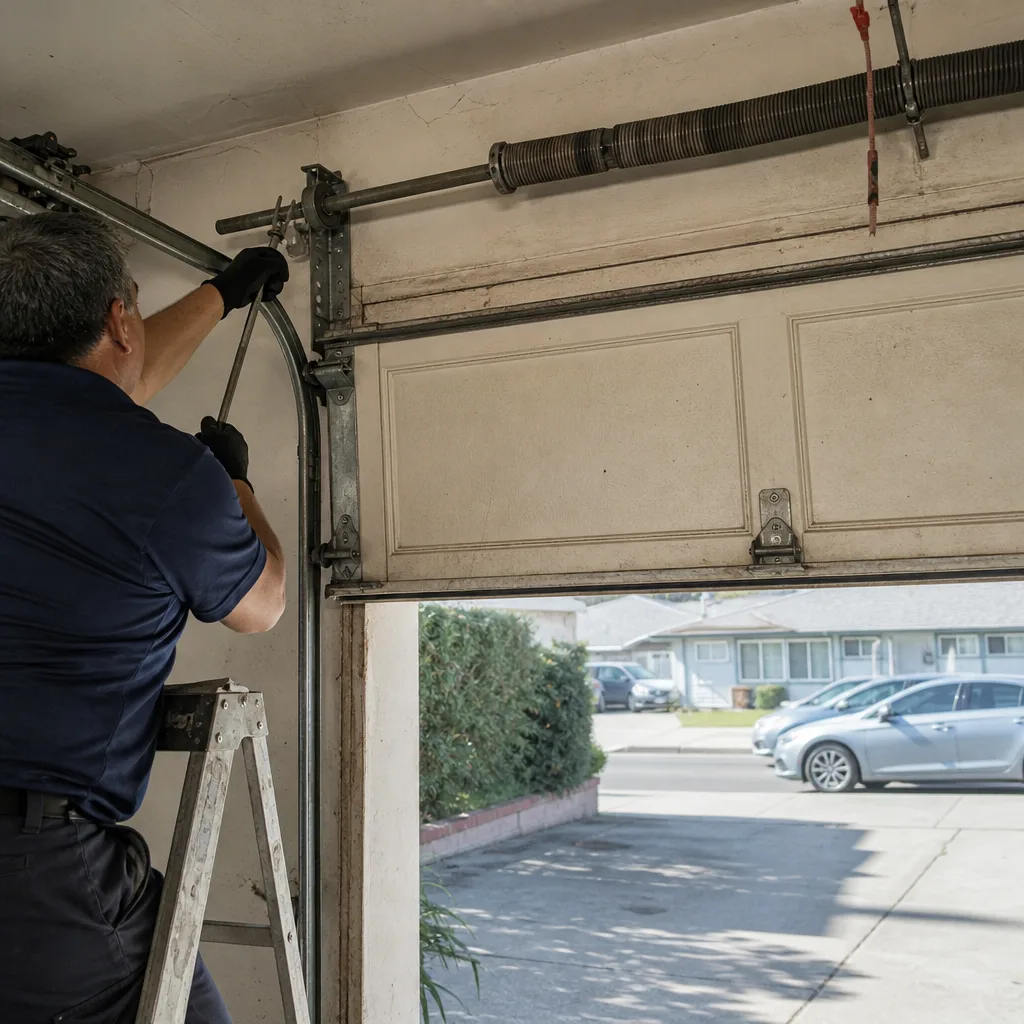 Before
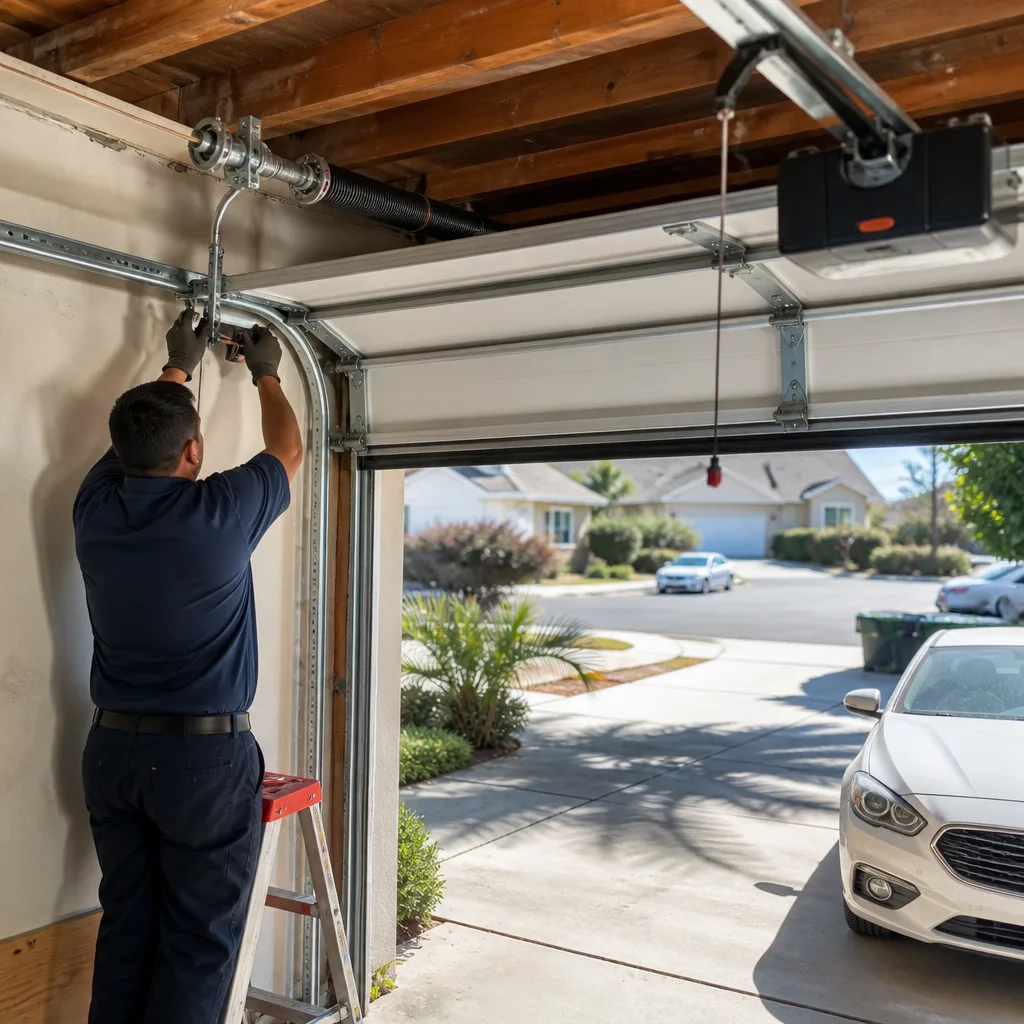 After
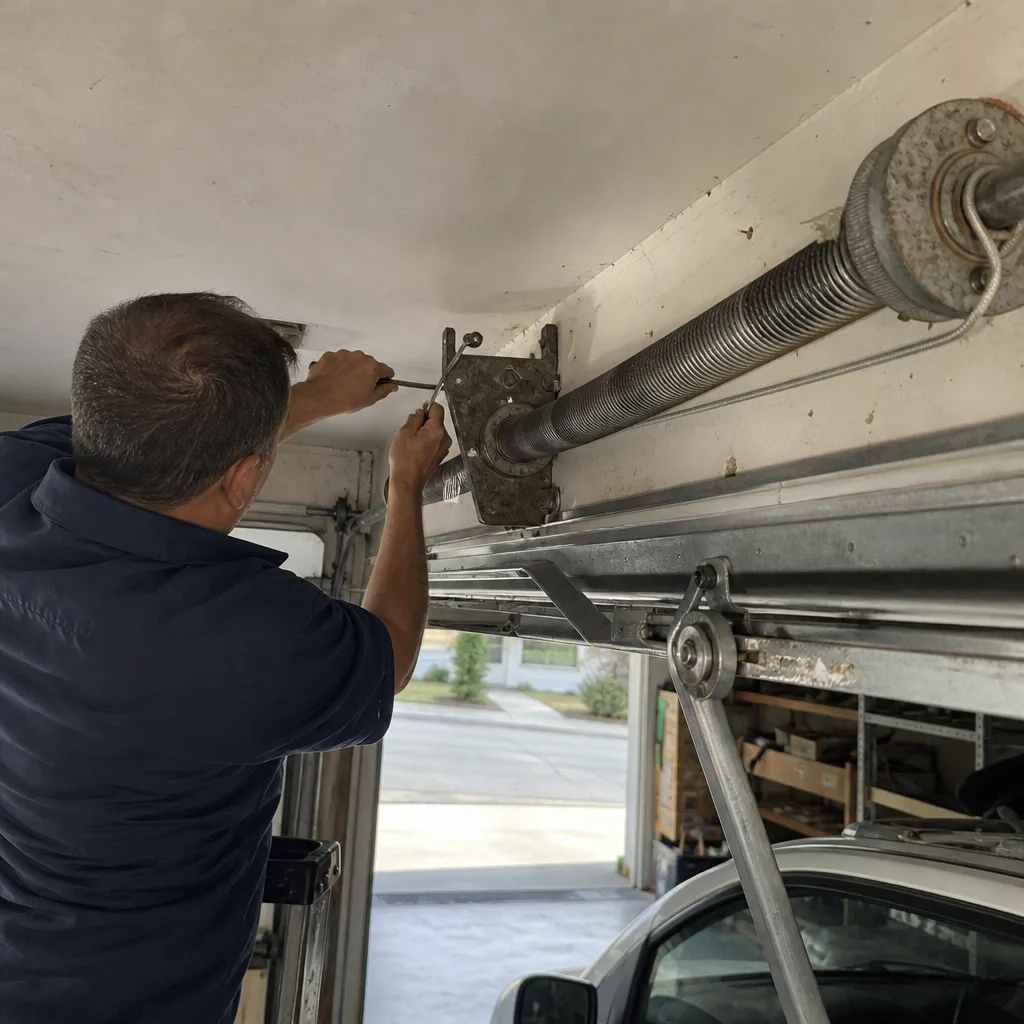 Before
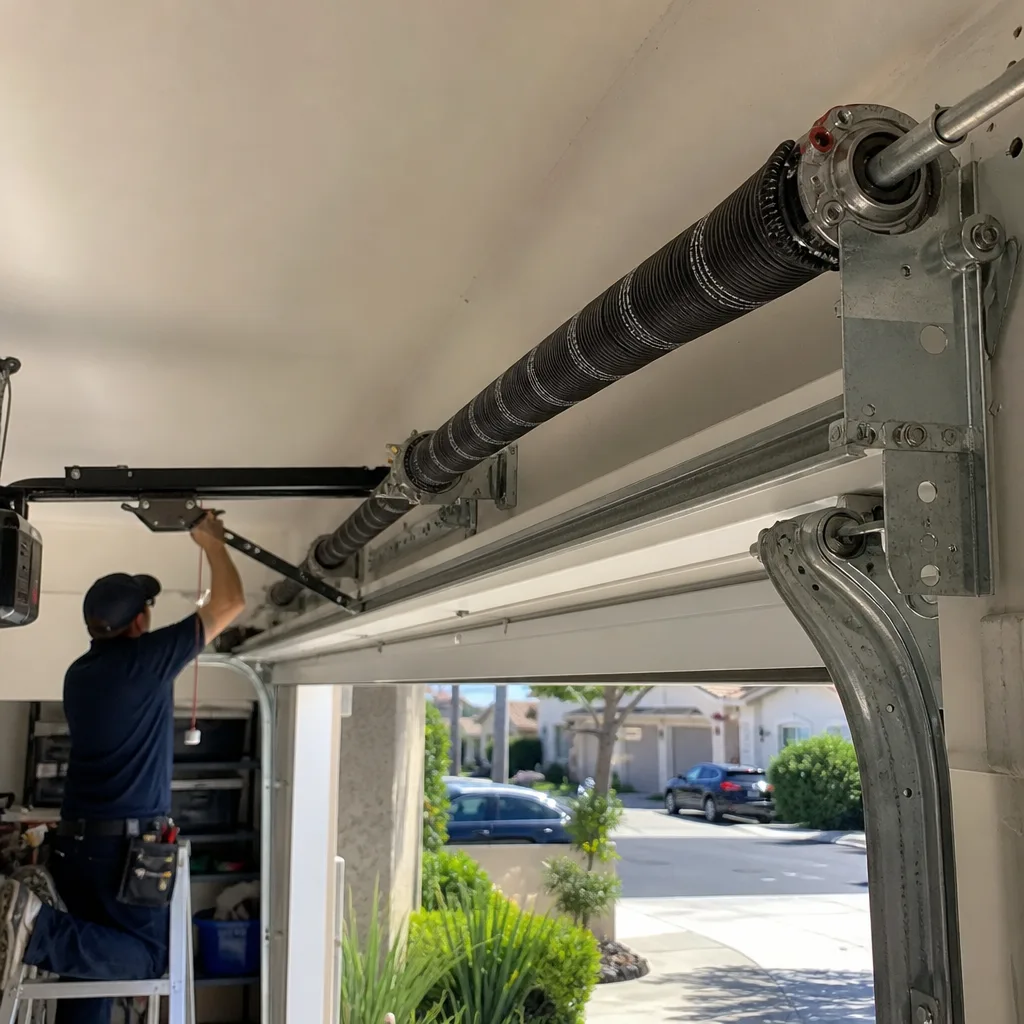 After
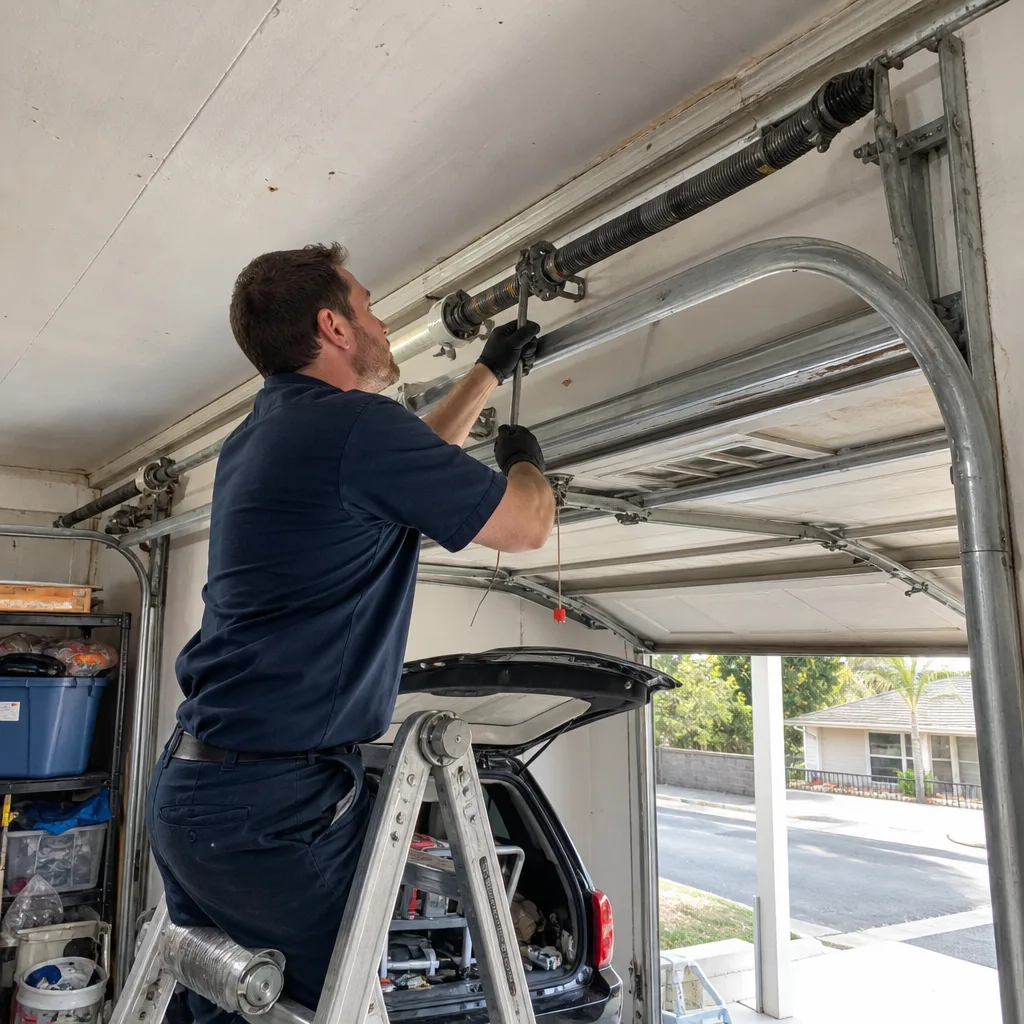 Before
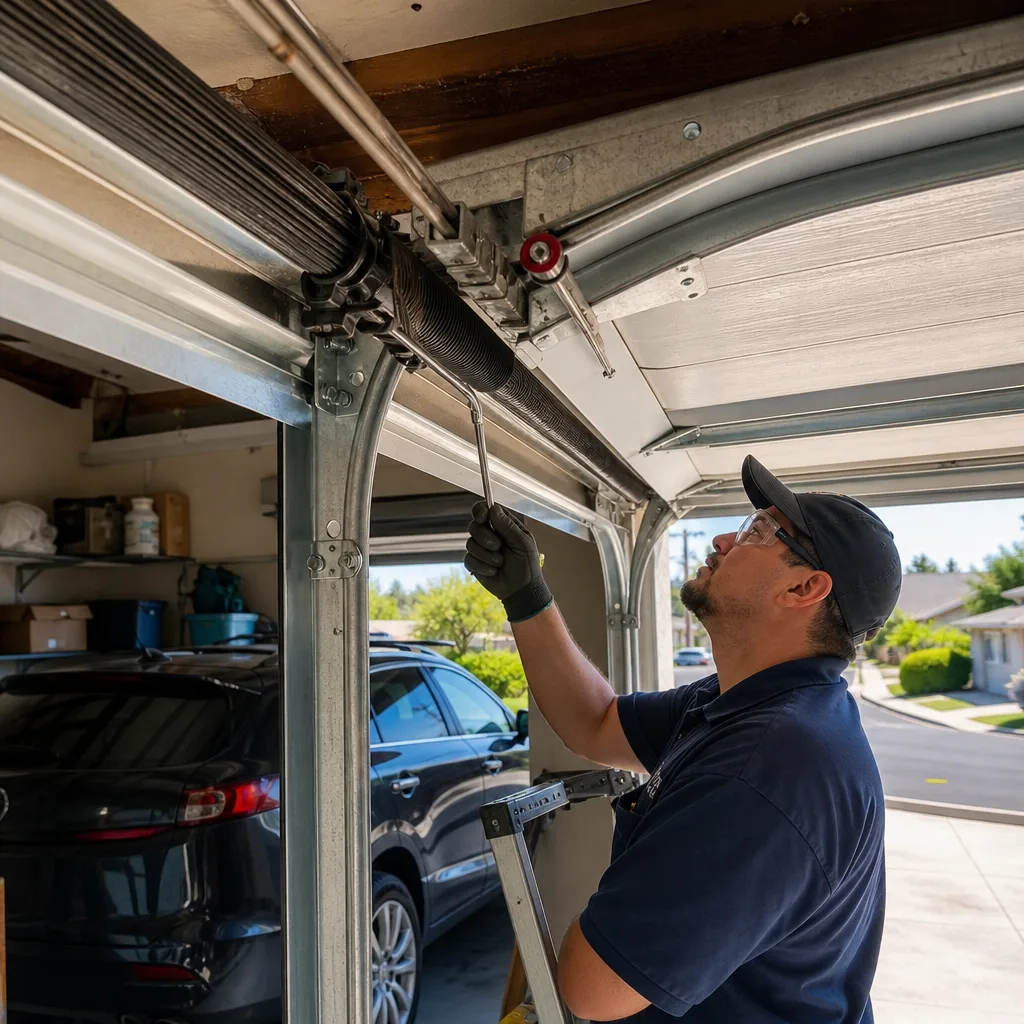 After