Last updated October 31, 2026
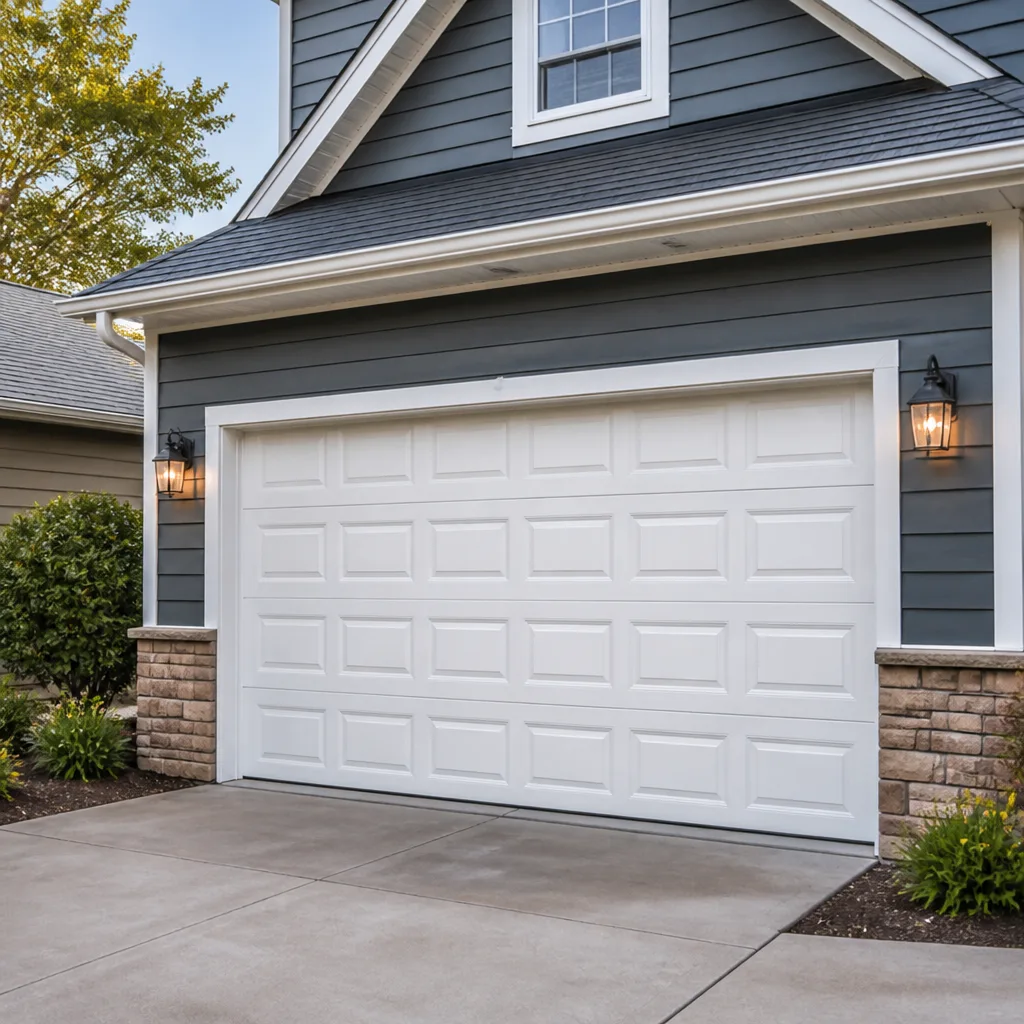 Raised-panel steel
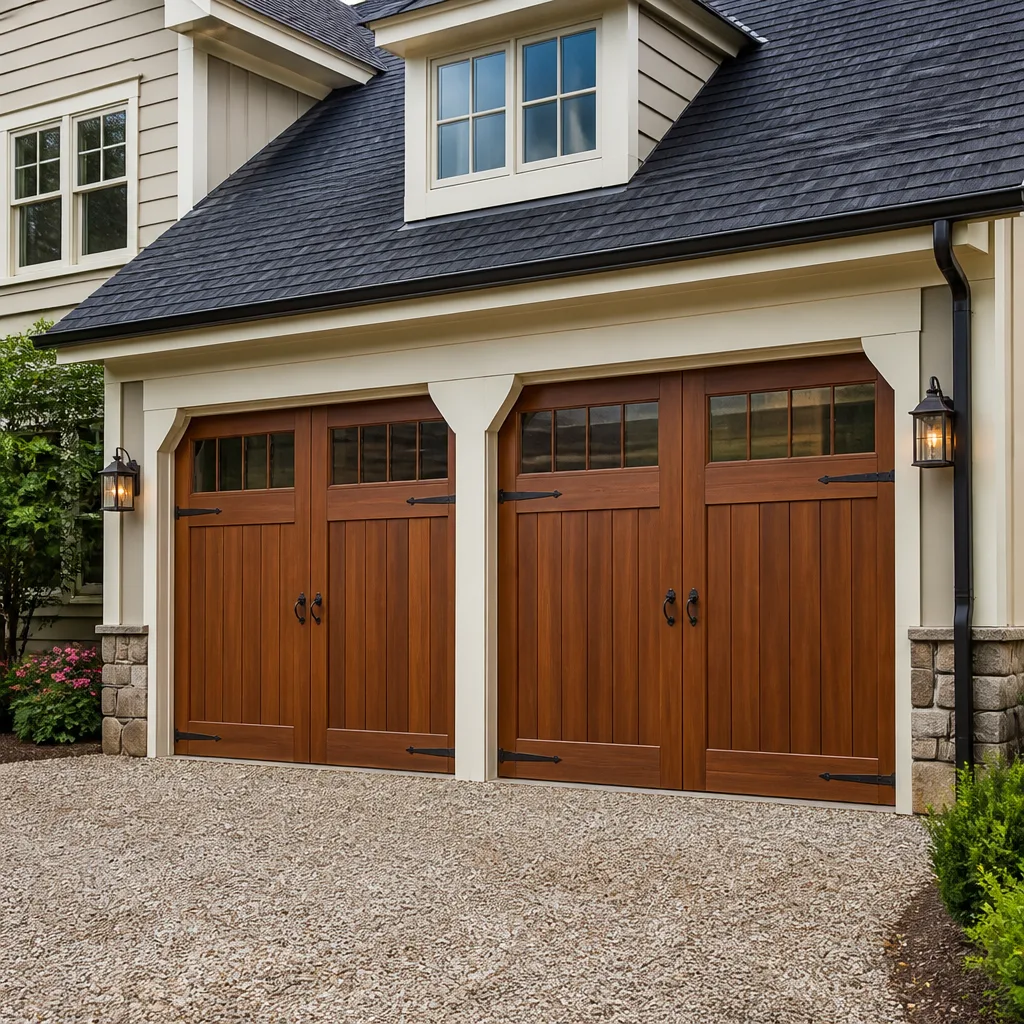 Carriage house
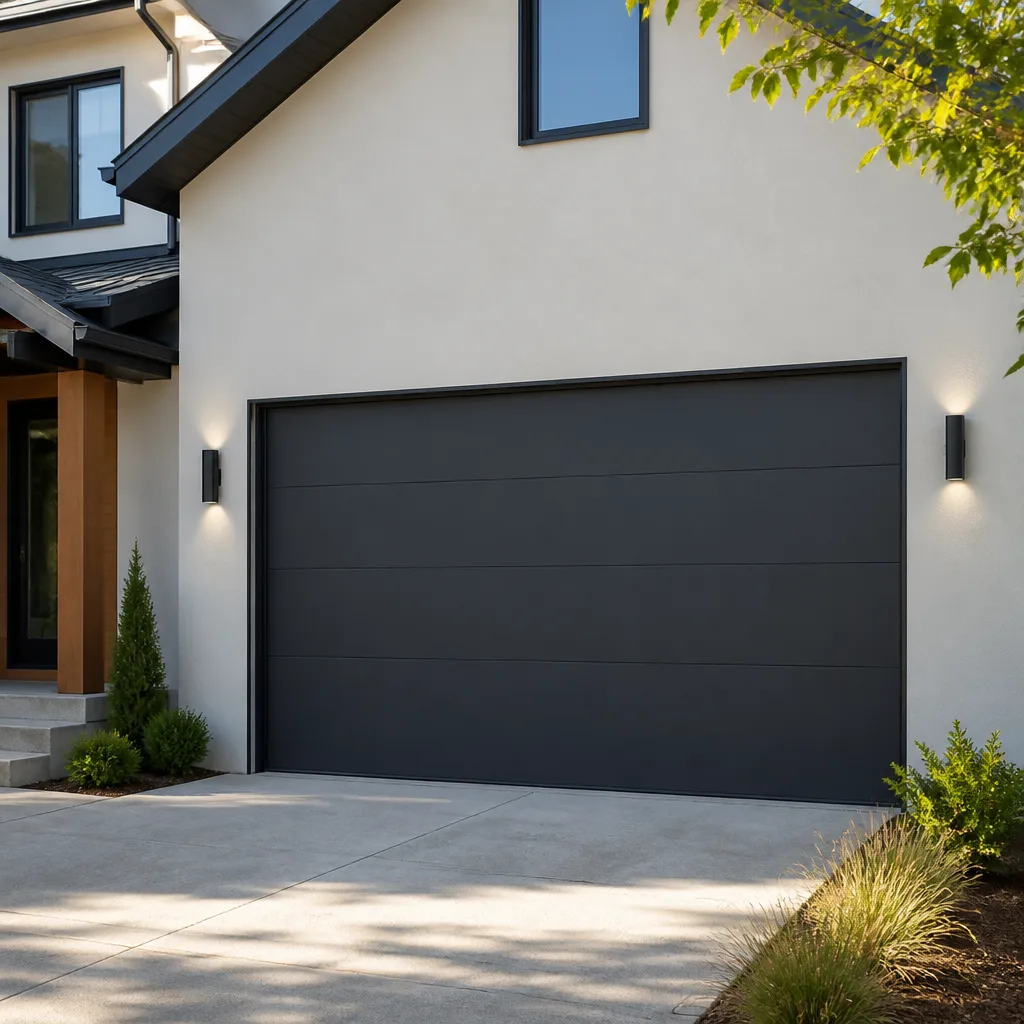 Modern flush
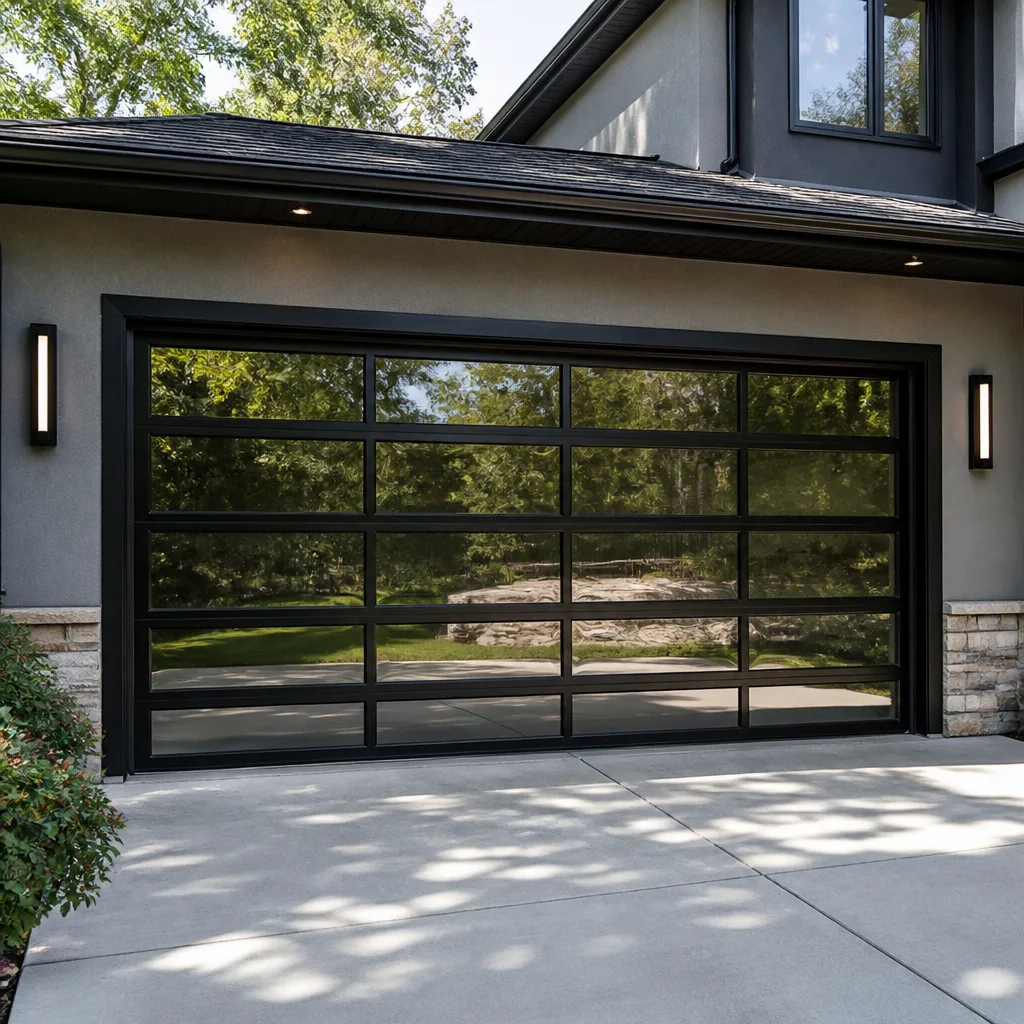 Full-view glass
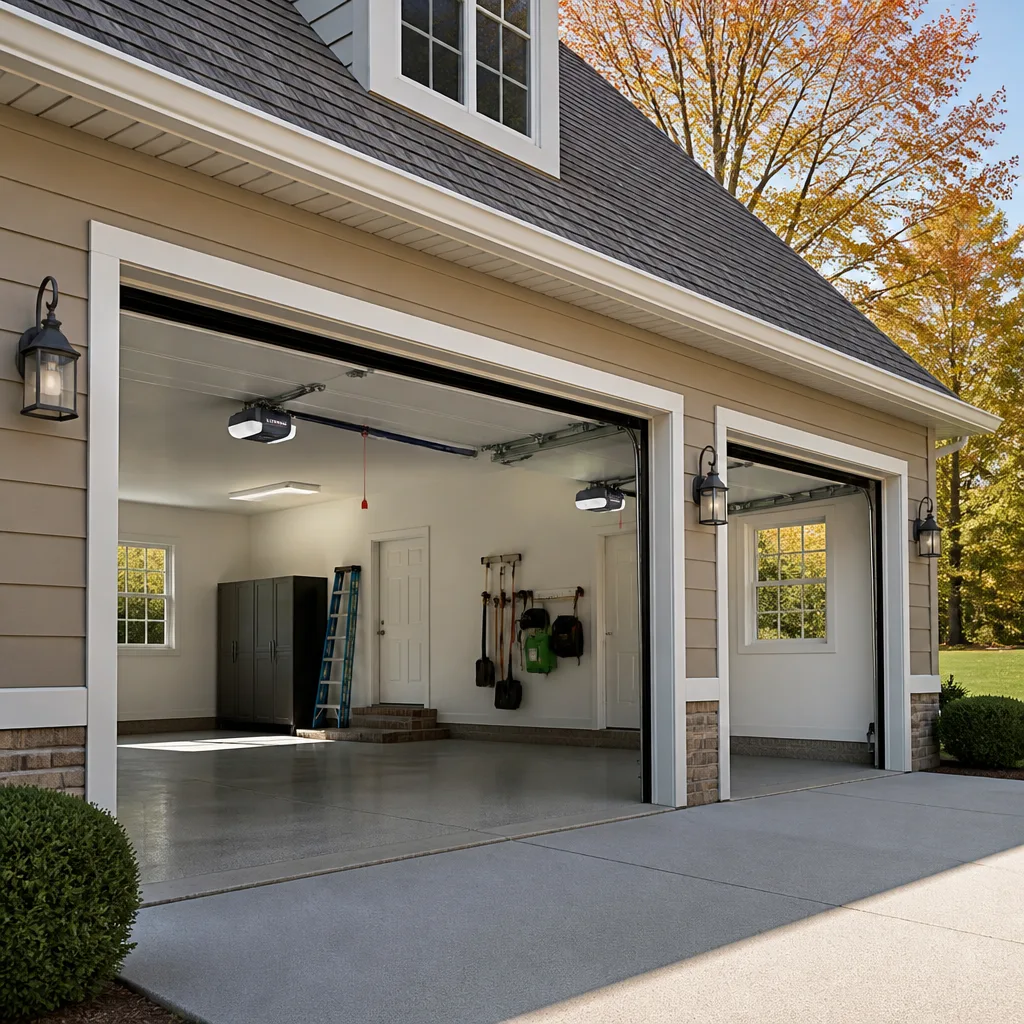 LiftMaster openers
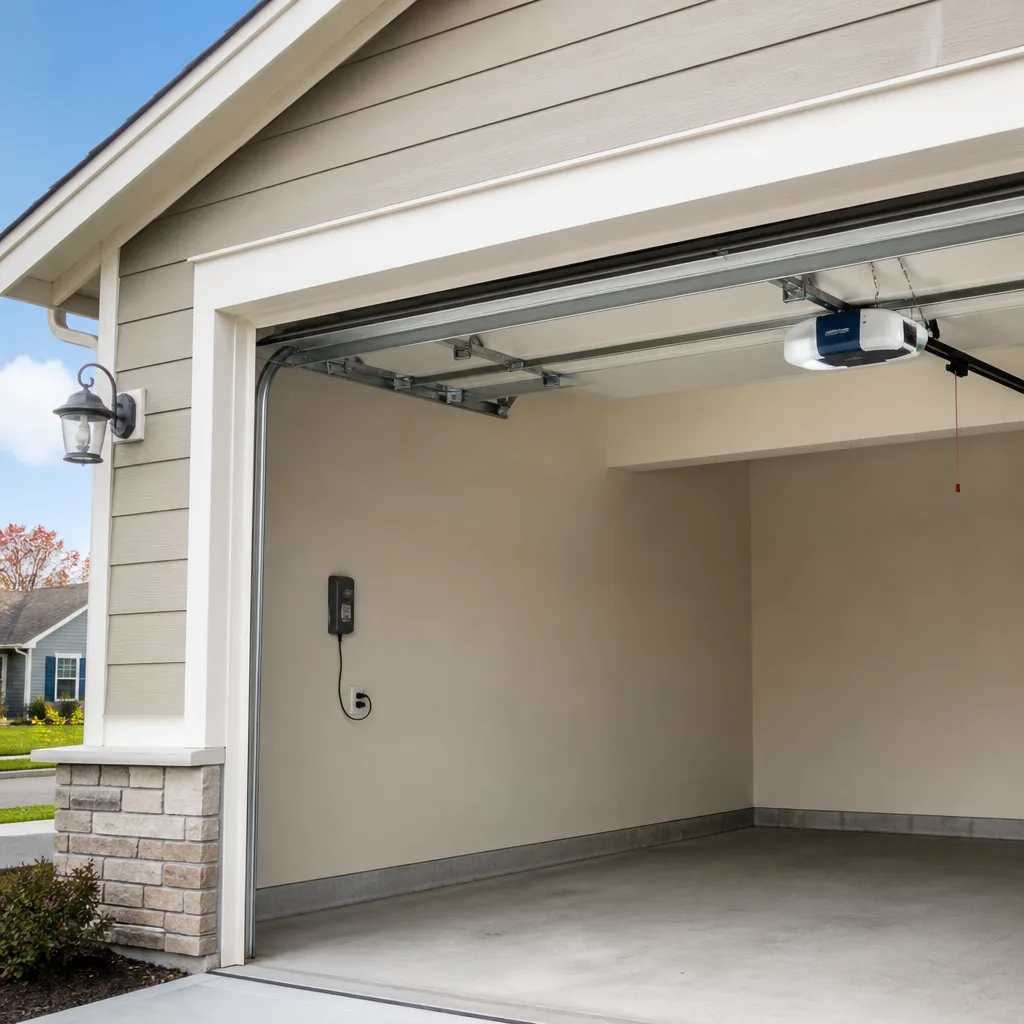 Chamberlain openers
Full 25-point door and opener safety check with every visit - springs, cables, rollers, tracks, and your LiftMaster or Chamberlain opener included
You get a price before we start. It does not change when the truck arrives.
Get your free estimateGarage Door Repair Troubleshooting: Common Problems and How to Fix Them
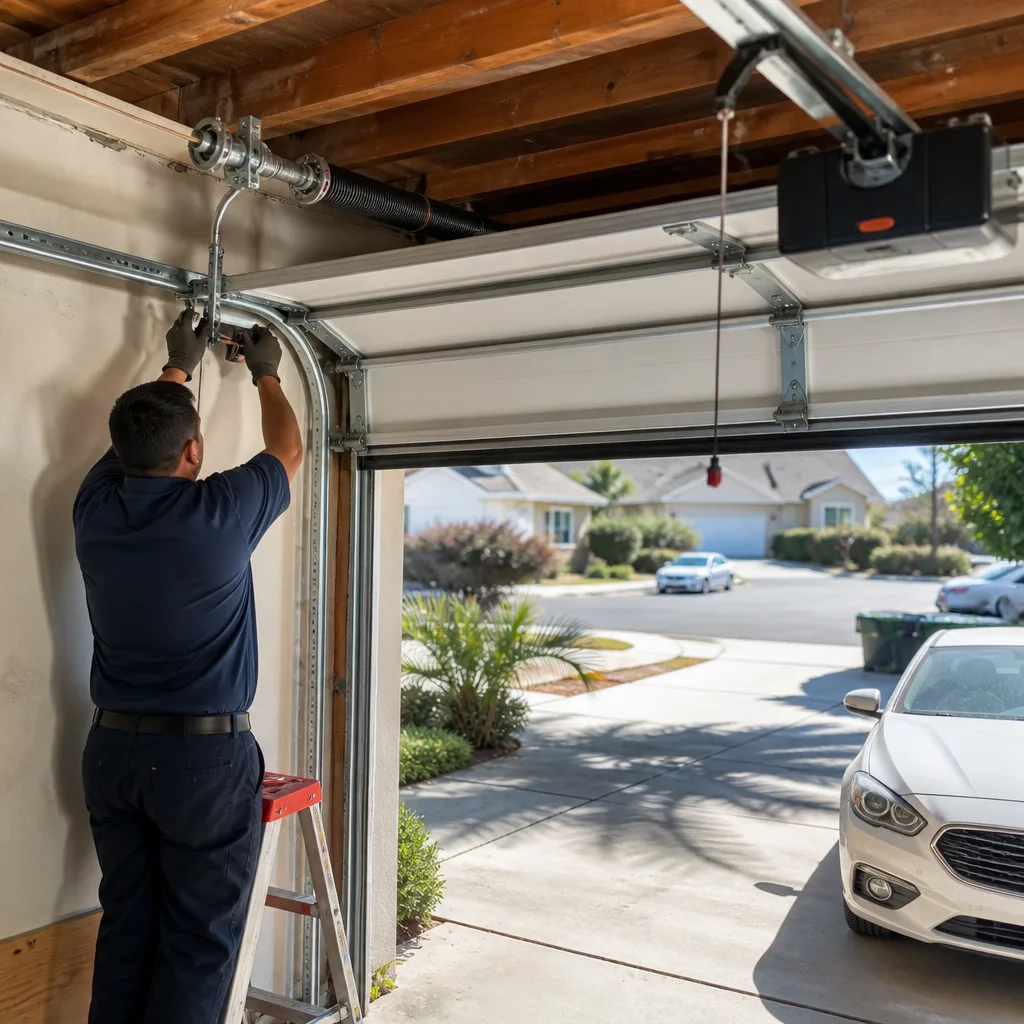
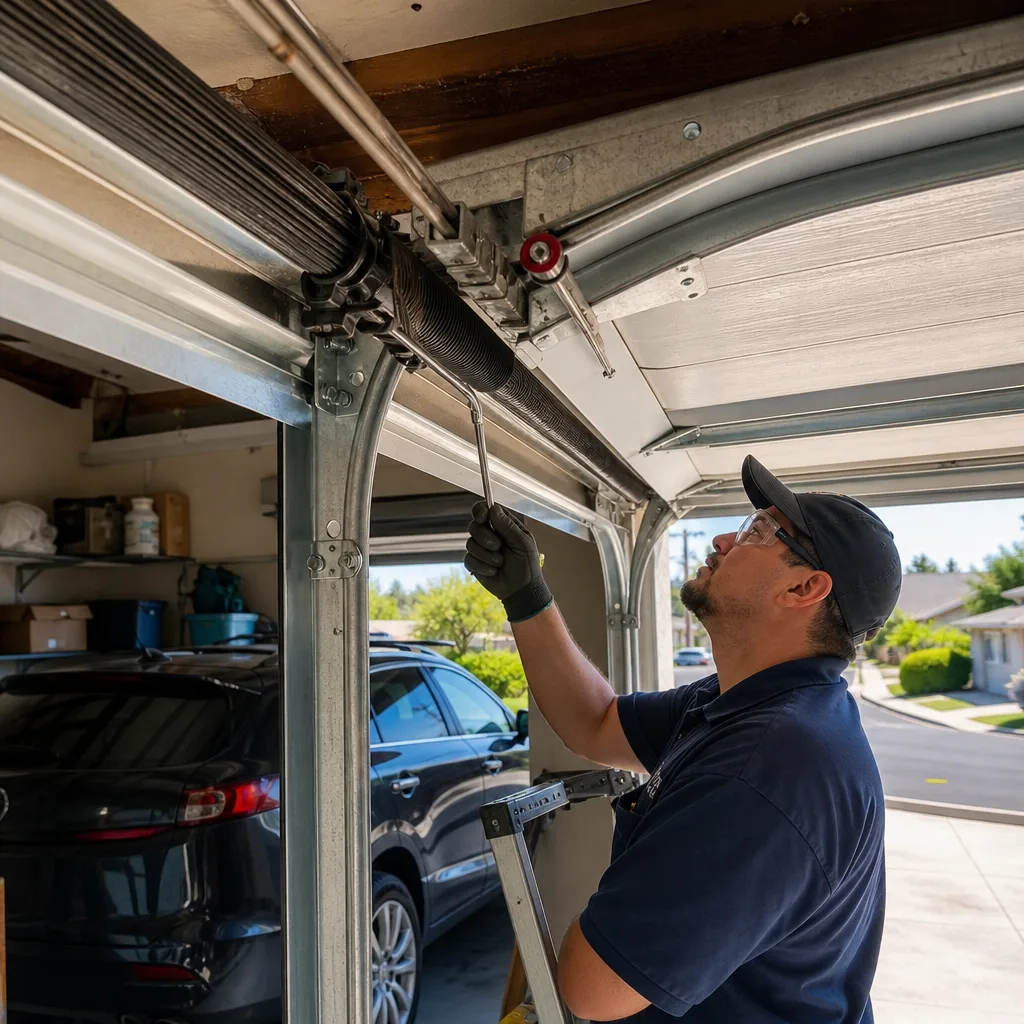
Here’s a fact most San Diego homeowners don’t realize until it’s too late: a garage door that “just feels heavy” and a garage door with a broken torsion spring look nearly identical to an untrained eye. One is a minor adjustment. The other is a 400-pound steel panel waiting to drop the moment you pull the emergency release and grab that handle. This guide teaches you to read your garage door’s symptoms the way a technician does, distinguishing between what’s safe to investigate, what signals a need for our Garage Door Repair services, and what means stop using the door immediately. You’ll learn the diagnostic sequence we use on service calls across San Diego, from Chula Vista to Carlsbad, and how to avoid the fixes that make problems worse.
Quick Answer
Most garage door problems fall into one of three categories: opener failures, mechanical wear on springs and rollers, or track and cable misalignment. The fastest way to isolate which one you’re dealing with is the manual override test: pull the red emergency release cord and lift the door by hand. If it’s heavy to lift or won’t stay up, the problem is mechanical, not electrical. If it moves smoothly by hand but won’t open with the opener, your issue is in the motor, sensors, or remote system.
Styles & brands we work with
Table of Contents
- Reading Symptoms: What Your Garage Door Is Actually Telling You
- Opener Problems vs. Mechanical Problems: The Split Most People Get Wrong
- The Manual Override Test: A 60-Second Diagnostic That Saves You Money
- Intermittent Failures: Why “Works Sometimes” Needs a Different Diagnostic Path
- Red-Flag Symptoms: When to Stop Using the Door Immediately
- Brand-Specific Quirks: What We See on the Most Common Openers and Doors
- San Diego-Specific Factors: How Coastal Air and Heat Affect Your Door
- Common Mistakes to Avoid
- When to Call a Professional
- Frequently Asked Questions
Reading Symptoms: What Your Garage Door Is Actually Telling You
Garage doors don’t fail silently. They creak, grind, pop, and scrape for weeks before a component gives out completely. The trick is knowing which sound maps to which part. We’ve diagnosed thousands of doors across San Diego, and the pattern recognition becomes second nature after a while. A homeowner who can describe the sound accurately over the phone saves themselves a service call that might not be necessary, or gets a faster repair because our technician knows what to load on the truck.
Here’s the symptom-to-cause matrix we work from on every diagnostic call:
- Grinding or metallic scraping during opening: Almost always roller wear or a misaligned track. The roller bearings lose lubrication, seize up, and drag metal-on-metal against the track. On steel rollers, this produces a grinding sound. On nylon rollers with worn bearings, it’s more of a rumble.
- Loud pop followed by the door not opening: This is the classic broken torsion spring signature. The pop is the spring snapping under load. If you hear this, stop running the opener. The door is now effectively unweighted and the opener motor is trying to lift dead weight it was never designed for.
- Squealing or high-pitched whine from the opener motor: Usually a worn drive gear, especially on chain-drive and screw-drive openers. The gear teeth strip over time and the motor spins against resistance, producing a thin, irritating whine.
- Thumping or banging during travel: Panel sections binding where they fold, or the opener carriage hitting worn stops. The door may also be slightly off-balance, causing sections to slam against each other at the transition point.
- Complete silence when you press the remote or wall button: No hum, no click, nothing. This is an electrical or signal problem, not a mechanical one. Could be a dead motor capacitor, a tripped GFCI outlet, or a receiver board failure. On modern LiftMaster and Chamberlain openers, it could also be a logic board lockout.
- Rattling that changes pitch as the door moves: Loose hardware, typically hinge bolts or track brackets that have backed out over years of vibration. This is one of the cheapest fixes we do, but ignoring it leads to track misalignment, which gets expensive fast.
The critical distinction is this: sounds that come from the door panel itself point to mechanical issues. Sounds that come from the opener motor housing point to electrical or drive-train issues. Before you call anyone, stand in the garage with the door closed and have someone else run the opener while you listen. You’ll be able to localize the source in about ten seconds, and that information alone will make any service call more efficient.
One more note specific to what we see across San Diego’s older neighborhoods like North Park, Clairemont, and La Mesa: doors that were installed in the 1980s and early 1990s often have original rollers that have never been replaced. Steel rollers from that era have a 15 to 20 year service life in our climate. If your door was installed before 2005 and you’re hearing grinding, plan on a full roller replacement rather than picking off one or two bad ones. Replacing all of them at once is usually cheaper in the long run than making five separate service calls.
Opener Problems vs. Mechanical Problems: The Split Most People Get Wrong
Every garage door system is two separate machines working together: the door itself, which is a mechanical assembly of panels, springs, rollers, hinges, and tracks, and the opener, which is an electrical motor with a drive train, sensors, and a control board. When something goes wrong, the symptoms often look the same to a homeowner, but the fix and the cost are completely different. This is the single most misdiagnosed split in garage door repair, and it’s the reason so many people replace an opener when the real problem was a $40 spring adjustment.
Here’s the clean separation, and it’s simpler than most troubleshooting guides make it:
- The opener’s only job is moving the door. It does not hold the door up. It does not balance the weight. It does not keep the door from slamming shut. The springs do all of that. When a spring breaks, the opener is suddenly trying to lift 100 to 400 pounds of unweighted steel with a motor that was designed to move a balanced door. Many openers will actually trip their internal overload and refuse to run at all, which convinces the homeowner the opener is broken. It’s not. It’s doing exactly what it was designed to do: protecting itself from catastrophic failure.
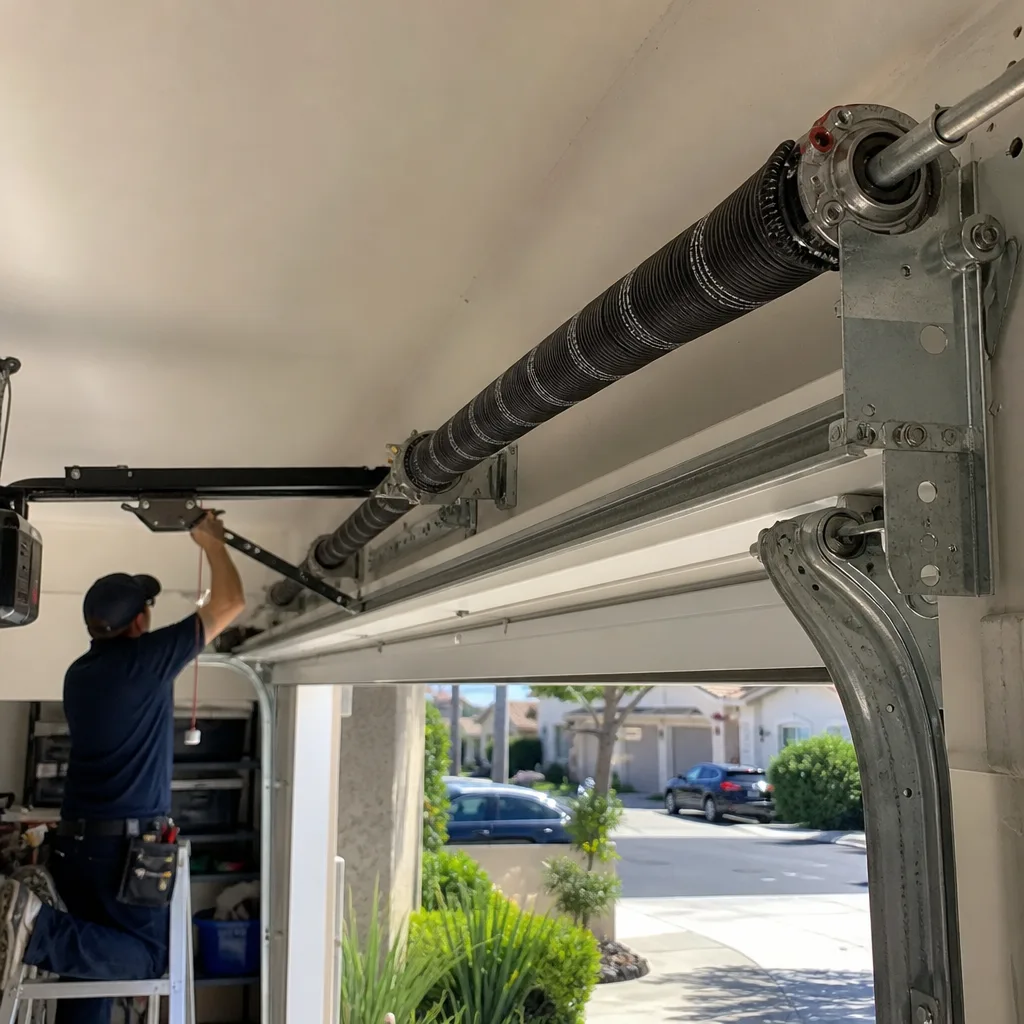
- The springs are the door’s actual lifting system. Torsion springs mounted above the door, or extension springs along the tracks on older systems, counterbalance almost the entire weight of the door. A healthy spring system means you can lift the door with two fingers. If you can’t do that, the springs are failing or out of adjustment, regardless of what the opener does.
- Sensors and safety systems are part of the opener. The photoelectric eyes near the floor, the auto-reverse mechanism, and the remote receiver are all downstream of the opener’s logic board. If the door reverses before closing or refuses to close at all, the problem is almost always in the sensor circuit or the logic board’s interpretation of the sensor signal, not in the door hardware.
We see this confusion constantly on service calls throughout San Diego. A homeowner calls us for an opener repair because the remote won’t work, but the real issue is a door that’s five pounds out of balance and tripping the opener’s force sensor. Or someone schedules a full repair visit because the door is noisy, but the panels, hinges, and rollers are fine and the opener’s drive gear is the only worn component.
The fix for this confusion is the manual override test, which we cover in detail below. Run it before you call any company, including ours, and you’ll be able to say with confidence whether the problem is in your opener or your door. That means a faster diagnosis, a more accurate quote, and no paying for a service call that traces back to a tripped circuit breaker.
The Manual Override Test: A 60-Second Diagnostic That Saves You Money
Every garage door opener manufactured since 1982 has an emergency release mechanism, usually a red cord hanging from a trolley on the opener rail. Pulling this cord disengages the opener from the door, letting you operate the door manually. This one simple action splits your diagnostic tree in half and tells you immediately whether the problem lives in the opener or the door hardware. We run this test or a version of it on every troubleshooting call we make in San Diego, because it’s the fastest way to get to ground truth.
Here is the exact sequence:
- Close the door fully, either with the opener or by hand. Never run this test with the door open. A door connected to a broken spring can fall when you pull the release, and you don’t want to be standing under it when that happens.
- Pull the red release cord straight down. You’ll hear a click as the trolley disengages from the carriage. The door is now completely decoupled from the opener.
- Lift the door by the handle or bottom rail. A properly balanced door weighs almost nothing. You should be able to lift it to the fully open position with one hand and it should stay there, or slowly settle no more than a few inches.
- Raise the door halfway and let go. A balanced door stays put. A door with weak or broken springs will drop fast. If there’s no spring tension at all, the door will feel like it weighs 200 to 400 pounds and will want to slide down the tracks on its own.
- Close the door manually and re-engage the opener. Pull the release cord toward the door until you hear the trolley click back into the carriage, then run the opener once.
Now interpret the results:
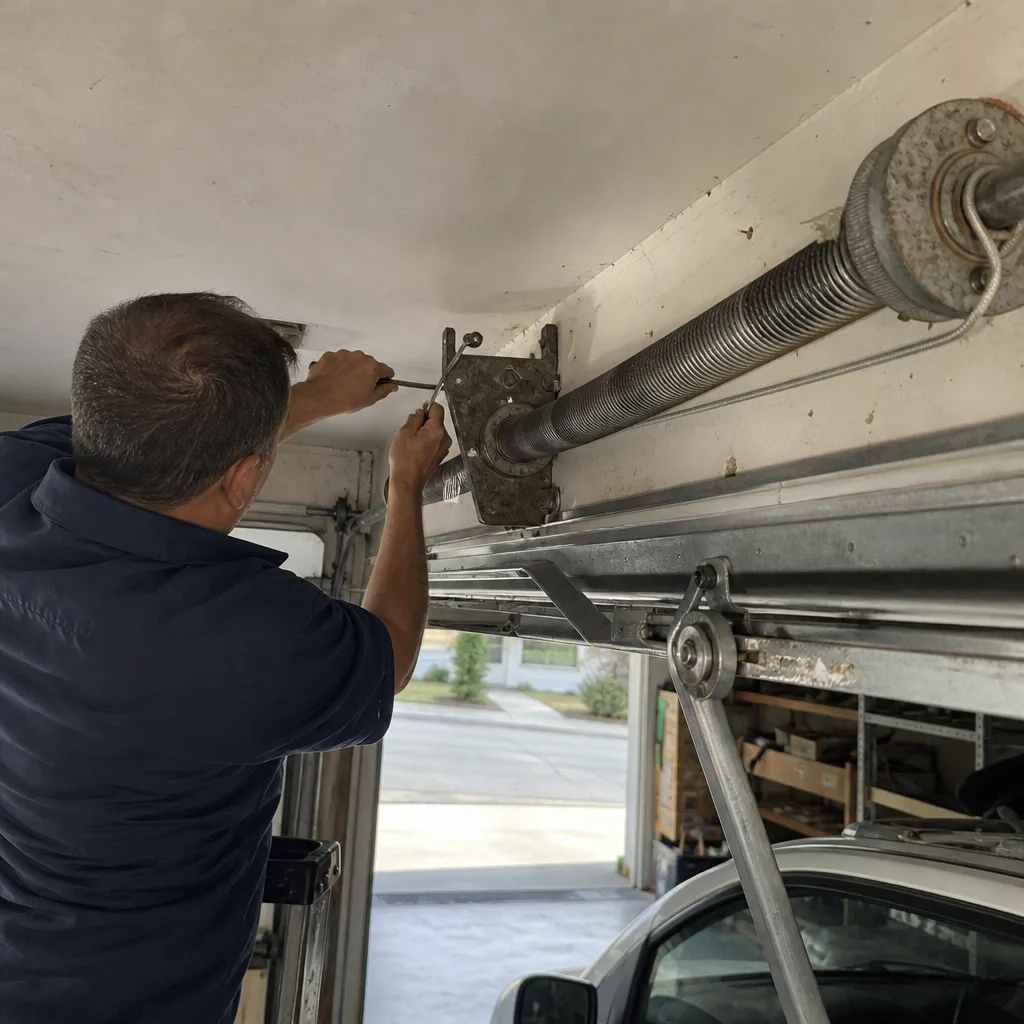
- Door is heavy or drops when released: The problem is in your springs, and it’s a mechanical issue. This is a repair you need a specialist for. Extension springs under tension or torsion springs wound on a shaft are genuinely dangerous to work on without proper tools and training. Do not attempt to adjust or replace them yourself.
- Door moves smoothly by hand but won’t open with the opener: The problem is in the opener, its drive train, or its electrical supply. This narrows the field to the motor, the capacitor, the gears, the sensors, or the logic board.
- Door is hard to move in one specific spot: You have a track misalignment, a bent roller stem, or a hinge problem at one panel joint. Watch the door as you move it and look for where it binds.
- Door opens fine manually and opener was already running normally before: You may have an intermittent sensor issue or a remote programming problem rather than a true mechanical failure. See the intermittent section below.
The manual override test doesn’t fix anything, but it eliminates the biggest source of confusion in garage door repair: mistaking an opener problem for a door problem and vice versa. Run it before you call any company. You’ll know what kind of technician you need, and you won’t pay a diagnostic fee just to learn that your opener was unplugged.
Intermittent Failures: Why “Works Sometimes” Needs a Different Diagnostic Path
Consistent failures are easy. A broken spring is a broken spring every time. A stripped gear grinds every time. But intermittent problems, the ones that work fine for three days and then fail twice in one morning, follow a completely different logic. We get these calls all over San Diego, and they’re often more frustrating for the homeowner than a total failure because the door never misbehaves when a technician is standing in front of it.
Here’s what intermittent symptoms usually mean, in our experience:
- Remote works sometimes, not others: This is rarely a mechanical issue. It’s signal interference, a dying remote battery, or a receiver board with a cracked solder joint that expands and loses connection as the opener heats up. Modern LED bulbs installed in or near the opener motor are notorious for emitting frequencies that interfere with remote signals on older LiftMaster and Craftsman units. If the problem started after you installed new light bulbs, that’s your answer.
- Door reverses randomly during closing: The photoelectric sensors are being tripped by something intermittent: sun angle hitting the sensor eye at certain times of day, loose sensor wiring, or a sensor bracket that shifts as the opener vibrates. This is extremely common on doors facing west in San Diego, where the afternoon sun shines directly into the sensor at a low angle.
- Opener runs but door doesn’t move, and this only happens sometimes: The trolley is slipping on the carriage thread, especially on older screw-drive models. The engagement wears down over time and begins to slip under load. This will get worse, not better, and ignoring it eventually ruins both the screw and the carriage.
- Door binds in cold weather but works in warm weather: Rare but we see it in San Diego’s inland areas where winter mornings dip into the 30s. Rails contract slightly, track fasteners shift, and a door that was marginally misaligned all summer starts scraping once temperatures drop. The fix is usually track alignment, not weatherproofing.
- Wall button works but remote doesn’t, sometime: Check the remote battery first. Then check whether the problem follows the remote or the opener. If both remotes fail at the same time, it’s the receiver. If only one remote fails, it’s the remote.
Intermittent problems require patience and observation. Keep a note on your phone: date, time, temperature, what you pressed, and what happened. This log is genuinely useful to a technician. It turns a mystery into a pattern, and a pattern points directly at a component. We’d rather hear “it fails every morning before 9 a.m. but works fine in the afternoon” than “it works sometimes, I don’t know.” The first statement points at sun angle or cold rails. The second points at nothing.
One more thing about intermittent failures: don’t assume they’re minor. A door that reverses sometimes, or a trolley that slips sometimes, can fail completely and without warning. If you have a Raynor or Wayne Dalton door with an intermittent issue that’s been going on for more than two weeks, schedule a diagnosis. Waiting longer won’t make the fix any cheaper, but it might make the failure more sudden.
Red-Flag Symptoms: When to Stop Using the Door Immediately
Most garage door problems are inconveniences. A noisy roller can wait a week. A finicky remote can wait a month. But a small number of Garage Door Warning Signs: A San Diego Homeowner’s Reference Guide symptoms mean the door is actively unsafe and should not be operated until a technician has looked at it. The distinction matters because a garage door, especially a double-wide steel door with glass panels, can weigh over 400 pounds. That weight becomes a hazard when the systems that control it are compromised.
Here are the symptoms that mean stop using the door, in priority order:
- A loud pop or bang followed by the door not opening, or opening only a few inches: This is a broken torsion spring. The door is now unweighted and the opener may still try to lift it. Stop pressing the button. A door with one broken spring and one intact spring is under uneven tension and can bind, jump the track, or shear a cable. This is a repair for a spring specialist. The tension on a wound torsion spring is enough to cause serious injury, which is why we always recommend professional service for anything involving springs or cables.
- One side of the door sags or hangs lower than the other: This means a cable has slipped or broken, or one spring has failed while the other hasn’t. The door is no longer lifting evenly and can wedge in the track, dropping suddenly or twisting. Do not try to straighten it by hand.
- The door stops suddenly with a bang during travel: Something is physically blocking the track or a panel has come loose from its hinge. Continuing to run the opener against a blocked door will strip the drive gear, burn out the motor, or snap a cable.
- The emergency release has been pulled and the door drops fast when you try to lower it by hand: This indicates zero or near-zero spring tension. The full weight of the door is in your hands. Lower it as carefully as you can and leave it in the closed position until a specialist arrives.
- Visible cracks in a spring, or a spring separated into two pieces: This one doesn’t need explanation. If you can see the break, the door is not safe to operate.
There’s a category beyond these: any time you hear a sound you’ve never heard before and it’s loud enough to make you flinch, treat it as a red flag. A garage door makes a limited set of normal sounds. Anything outside that set is metal under stress, and metal under stress is unpredictable.
If you’re in San Diego and you hit one of these red flags on a Sunday morning or a weeknight, don’t force the door open to get your car out. We know it’s tempting. But you’re likely to cause a $900 repair by trying to save a $200 one. Leave the car in the garage, use alternate transportation if you can, and get on the phone with a specialist.
Brand-Specific Quirks: What We See on the Most Common Openers and Doors
Every manufacturer has a personality. The same symptom on a LiftMaster opener and a Genie opener often traces to two completely different root causes, because the companies engineer their systems differently. Part of being a garage door specialist is knowing these quirks before you even walk into the garage. We service eight major brands, and the patterns below come from years of working on the specific models most common in residential San Diego.
LiftMaster and Chamberlain openers: These two brands share the same parent company and the same basic design, and they’re the most common residential openers in San Diego. The weak point is the drive gear on chain-drive models, which is made of plastic and strips after 8 to 12 years of daily use. When you hear a whining motor but the door doesn’t move, that’s the gear. The good news is the gear is replaceable, and the rest of the opener is usually fine. We also see logic board issues on LiftMaster models with built-in Wi-Fi, especially after power surges. If your myQ app can’t connect but the wall button works, suspect the board before the motor.
Craftsman openers: Craftsman openers from the 1990s through the early 2010s were built like tanks mechanically, but the capacitor packs and the remote receivers age poorly. A Craftsman that hums but won’t start is usually a dead capacitor, which is a cheap part. A Craftsman that opens fine but won’t respond to any remote is usually a receiver board that’s drifted off frequency. We often recommend replacing the opener entirely on Craftsman units older than 15 years, not because the motor is bad, but because replacement parts are increasingly scarce and a new opener costs about the same as a board replacement plus labor.
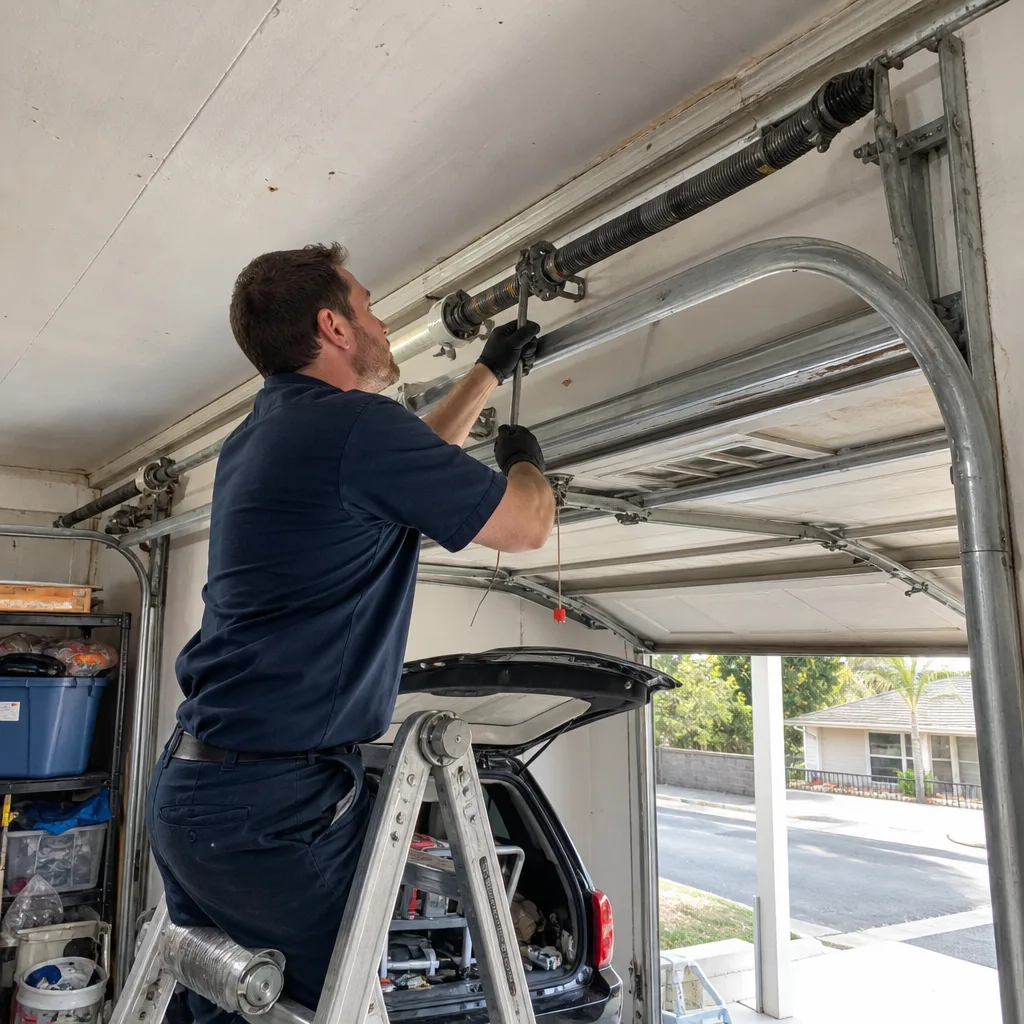
Wayne Dalton doors: Wayne Dalton’s TorqueMaster spring system is the quirk here. Most torsion spring systems have visible springs mounted on a shaft above the door. TorqueMaster systems enclose the spring inside a tube, which makes them safer but also harder to diagnose by eye. If you have a Wayne Dalton door and it’s suddenly heavy to lift but you can’t see a broken spring, the TorqueMaster spring inside that tube is the likely culprit. We also see more panel delamination on Wayne Dalton doors exposed to direct afternoon sun than on other brands, especially on homes in East County where summer temperatures routinely hit triple digits.
Raynor doors: Raynor tends to use heavier-gauge steel than entry-level competitors, which is good for longevity but bad for balance if the springs were mis-spec’d at installation. A Raynor door that’s always felt heavy, even from day one, often has springs that were sized for a lighter door. This is a spring specification issue, not a wear issue, and it’s worth having a specialist check the spring calculation if you’re the second or third owner of a home with a Raynor door.
You don’t need to be a brand expert to troubleshoot your own door. But knowing whether you have a Chamberlain, a Genie, a Wayne Dalton, or something else helps you interpret the symptoms correctly, and it helps the technician you eventually call show up with the right parts. When a homeowner tells us “it’s a Chamberlain from about 2012,” we already know what we’re likely to find before we arrive. That’s the value of working with a company that services the full brand range rather than one tied to a single product line.
If you’re thinking about upgrading rather than repairing, we handle full garage door installation as well, and we’ll help you choose a door that fits your home’s architecture and your budget rather than upselling you into features you won’t use.
San Diego-Specific Factors: How Coastal Air and Heat Affect Your Door
San Diego’s climate is mild by national standards, but it creates specific failure patterns that don’t show up in troubleshooting guides written for Minnesota winters or Arizona summers. We see three environmental factors affecting garage doors in this region, and they explain a surprising number of otherwise confusing symptoms.
Coastal salt air and corrosion: Homes within about three miles of the coast, in places like Point Loma, Ocean Beach, Pacific Beach, and Carlsbad, deal with constant salt exposure. Galvanized steel rollers, hinges, and track brackets corrode faster near the coast than they do inland. We replace rusted hardware on coastal doors at roughly double the rate we see in inland neighborhoods like Rancho Bernardo or Poway. The practical takeaway: if you live near the coast and your door is making grinding or squealing sounds, the issue is almost certainly corrosion-related roller or hinge wear, and it’s worth switching to nylon rollers with sealed bearings when you do replace them.
Inland heat and sun exposure: East County and the I-15 corridor experience summer temperatures that are 15 to 20 degrees hotter than coastal areas, and the sun exposure is brutal on certain components. Photoelectric sensors mounted on west-facing doors in places like El Cajon, Santee, and Lakeside get hit with direct afternoon sun that can trip the sensor and cause the door to refuse to close or reverse during closing. The fix is a sun shield or a slight sensor repositioning, not a sensor replacement. The heat also accelerates spring metal fatigue. Torsion springs are rated in cycles, but heat cycling at high summer temperatures shortens their service life compared to doors in coastal microclimates.
Hillside construction and sloped driveways: San Diego has thousands of hillside homes with sloped driveways leading into the garage. The door spends its life fighting gravity at an angle, which puts uneven load on the side springs and cables. We see more cable wear and more spring imbalance on sloped-door installations than on flat-driveway homes. If your door is on a slope and you notice one cable looking frazzled or one side of the door hanging lower, get it checked sooner rather than later. A snapped cable on a sloped door is a genuinely dangerous failure mode.
None of these factors require a different type of repair. They just change the probabilities. A coastal door with a squeal is probably corrosion. An inland door with a reversing problem at 4 p.m. is probably sun angle. A hillside door with a dropped corner is probably uneven cable tension. Knowing your local conditions helps you interpret your symptoms correctly before you even call for service.
If you want to skip the diagnosis and have someone who’s seen thousands of San Diego garage doors take a look, call us at (888) 783-4032. We’re a garage door specialist with service across the county, and we’ll give you an honest read on what’s wrong and what it costs to fix.
Common Mistakes to Avoid
Most garage door repairs we see in San Diego are made worse by someone trying to fix it themselves with incomplete information. Here are the mistakes we encounter most often, and why they end up costing more than the original repair would have:
- Lubricating noise away: Spraying WD-40 or lithium grease into a noisy track or hinge to quiet a grinding sound. The grinding is metal-on-metal wear, not friction. Lubricant masks the symptom for a day and lets the underlying wear continue until the roller seizes and the door jams. Track lubrication also collects dirt and makes future alignment harder.
- Replacing the opener when the springs failed: The opener struggles, the homeowner assumes the motor is weak, and a $700 new opener gets installed on a door that still has a broken spring. The new opener burns out within months. The springs were always the problem.
- Adjusting spring tension without proper training: Extension springs under tension and torsion springs on a wound shaft store enough energy to cause serious injury if mishandled. This is not a job for a weekend and a YouTube video. A real specialist will always flag this danger. We don’t give step-by-step spring instructions, and you should be suspicious of anyone who does.
- Ignoring a door that’s slightly out of balance: A door that drifts down when opened halfway is giving you advance warning that a spring is fatiguing. Waiting until it actually breaks turns a $200 spring replacement into a potential cable snap, panel damage, or opener burnout.
- Running the opener on a door with a broken cable: One broken cable means the door is lifting unevenly. Every time you run the opener, you’re stressing the remaining cable, the track, and the panel hinges. The repair gets more expensive each time until the door either jams hard or drops.
- Reversing the direction of a door that won’t close, because “it works that way”: Some homeowners over ride the auto-reverse or tape down the sensor eyes to force a problem door to close. The auto-reverse exists for a reason: it prevents the door from closing on a person, pet, or object. Disabling it is dangerous, and it’s also a code violation in most jurisdictions.
- Replacing parts one at a time instead of as a set: If one roller is worn, all the others installed at the same time are at the same wear point. Replacing one adds labor cost without meaningfully extending the door’s life. Replacing the full set is usually the better long-term value, which is exactly what we recommend on doors where the rollers are uniformly old.
When to Call a Professional
You can troubleshoot your garage door without any tools, and this guide has given you the framework. For more guides & resources, explore our blog. But some fixes are not DIY territory, and knowing where that line sits is part of being a smart homeowner. Call a specialist when you have a broken or visibly cracked spring, a snapped or frayed cable, a door that has jumped its track, or any symptom that leaves you wondering whether the door is safe to operate. These are situations where the risk of injury or further damage outweighs the money you’d save by attempting the repair yourself.
Eagle Garage Door Service offers garage door repair throughout San Diego, and we specialize exclusively in garage doors. It’s all we do, which means our technicians have seen the problem you’re describing many times before. We carry parts for eight major brands, from LiftMaster and Chamberlain to Wayne Dalton and Raynor, and we’ll give you an honest recommendation on whether to repair or replace. Call (888) 783-4032 for a free estimate, and we’ll have a specialist at your door with a clear answer and a written price before any work begins.
Frequently Asked Questions
A grinding noise during opening almost always comes from worn rollers dragging against the track, or from a misaligned track rubbing against the door’s edge. The roller bearings lose lubrication over time, seize, and scrape metal-on-metal. Replacing the full roller set with nylon rollers on sealed bearings usually solves it, and if the track is misaligned, that needs to be corrected at the same time. If you’re not sure whether your noise is rollers or something else, call (888) 783-4032 and describe the sound. We can usually narrow it down over the phone.
In our San Diego service area, most garage door repairs fall between $125 and $425 depending on the specific component and whether parts need to be ordered. Roller replacements and track adjustments sit at the lower end. Spring replacements and cable repairs are mid-range. Opener motor or logic board replacements run higher, and some homeowners choose to replace the entire opener at that point. The price is always quoted and agreed before any work starts, so there are no surprises on the invoice. Call (888) 783-4032 for an exact quote on your specific door.
Yes, in most cases we can. We stock the most common replacement parts for the eight major brands we service, which means our technicians usually arrive with what they need and complete the repair in one visit. If your door is unsafe to operate, let us know when you call and we’ll prioritize your appointment.
A door that refuses to close all the way, or reverses just before hitting the ground, is usually tripping on the photoelectric safety sensors. Sun angle, sensor misalignment, or a loose wire can all cause this. Check that both sensor eyes are illuminated and pointing directly at each other, and clear any debris blocking the beam. If that doesn’t solve it, the issue may be in the opener’s force settings or travel limits, which is a quick fix for a technician.
No, and this distinction changes the whole repair. An opener problem lives in the motor, drive train, sensors, or control board. A door problem lives in the springs, rollers, hinges, tracks, or cables. Run the manual override test described above: pull the red release cord and lift the door by hand. If it lifts easily and stays up, the problem is your opener. If it’s heavy or drops, the problem is in your door’s mechanical components.
We service eight of the most widely installed garage door and opener brands: LiftMaster, Chamberlain, Genie, Clopay, Amarr, Wayne Dalton, Craftsman, and Raynor. See How to Hire a Garage Door Contractor in San Diego: A Step-by-Step Guide for tips on choosing the right company. That covers the vast majority of residential systems in San Diego, from modern myQ-connected LiftMaster openers to older Craftsman and Wayne Dalton units with discontinued parts. If you have a door or opener from a brand not listed here, call us and we’ll tell you honestly whether we can service it or point you in a direction that makes sense.
The Bottom Line
A garage door’s symptoms are a language. Grinding means wear. Popping means spring failure. Silence means electrical trouble. Reversing means sensor interruption. If you learn to read the language, you’ll know when you can wait, when you need a repair, and when you need to leave the door alone and call a specialist. Run the manual override test before every service call. Track intermittent failures with notes instead of guesses. And when the problem lives in the springs, cables, or any component under tension, treat it with respect and get a professional. For homeowners in San Diego who want a straight answer and a repair done right, we’re one phone call away at (888) 783-4032.
Written by the team at Eagle Garage Door Service, serving San Diego since 2015.
See the difference
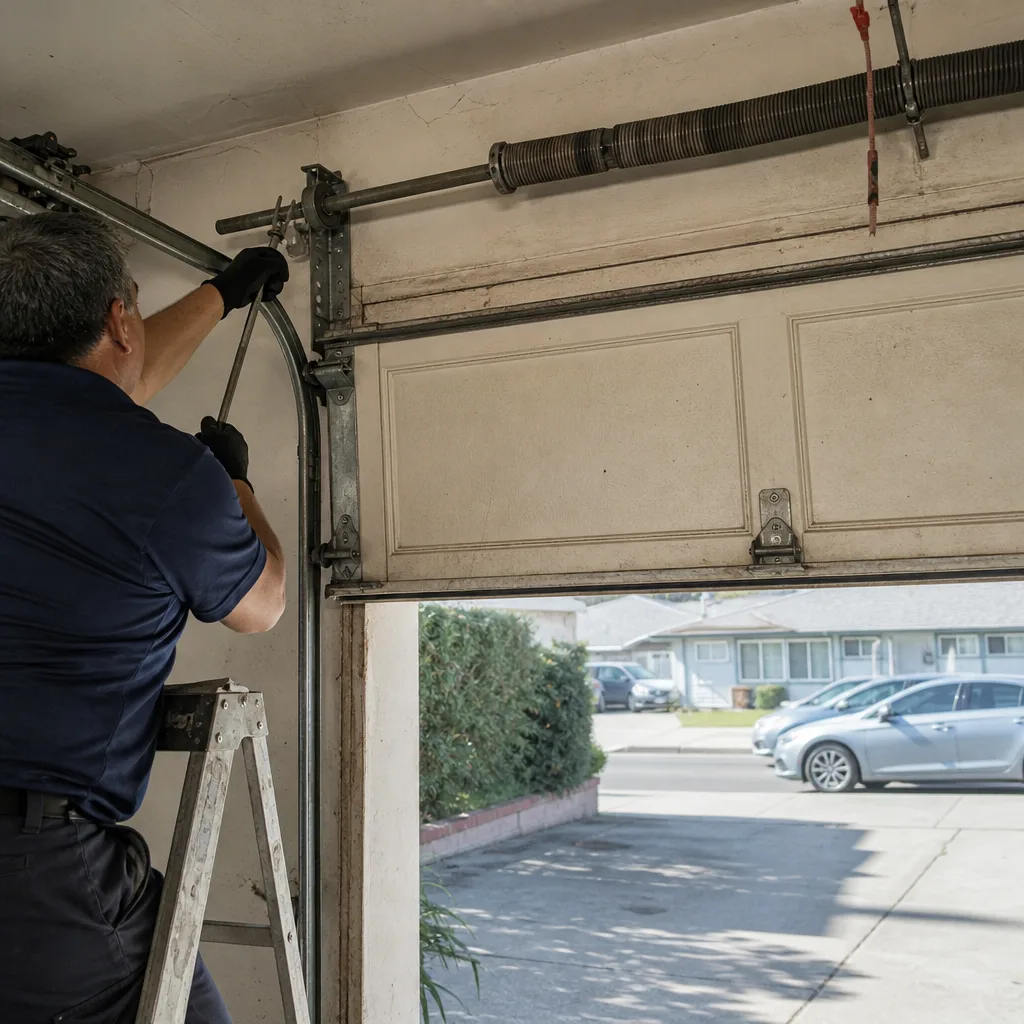 Before
 After
 Before
 After
 Before
 After