
Last updated October 31, 2026
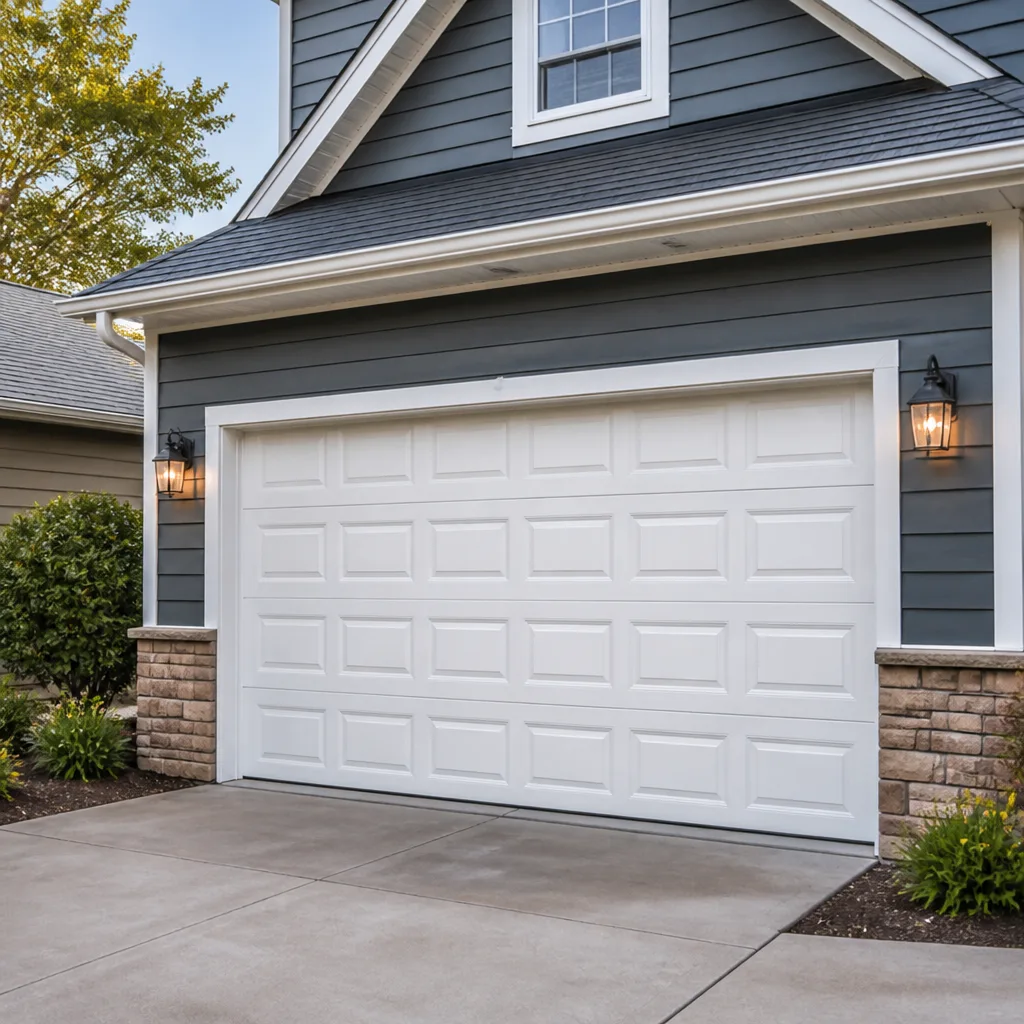 Raised-panel steel
 Carriage house
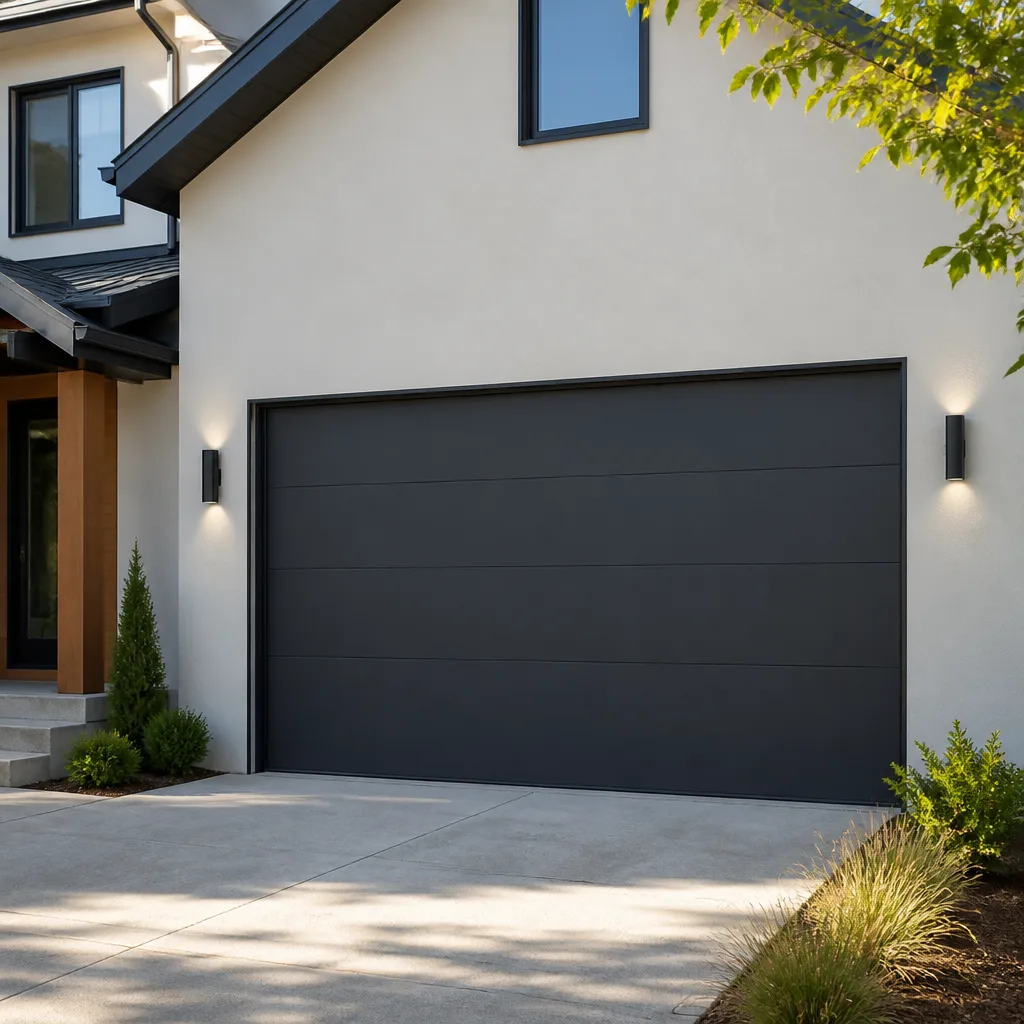 Modern flush
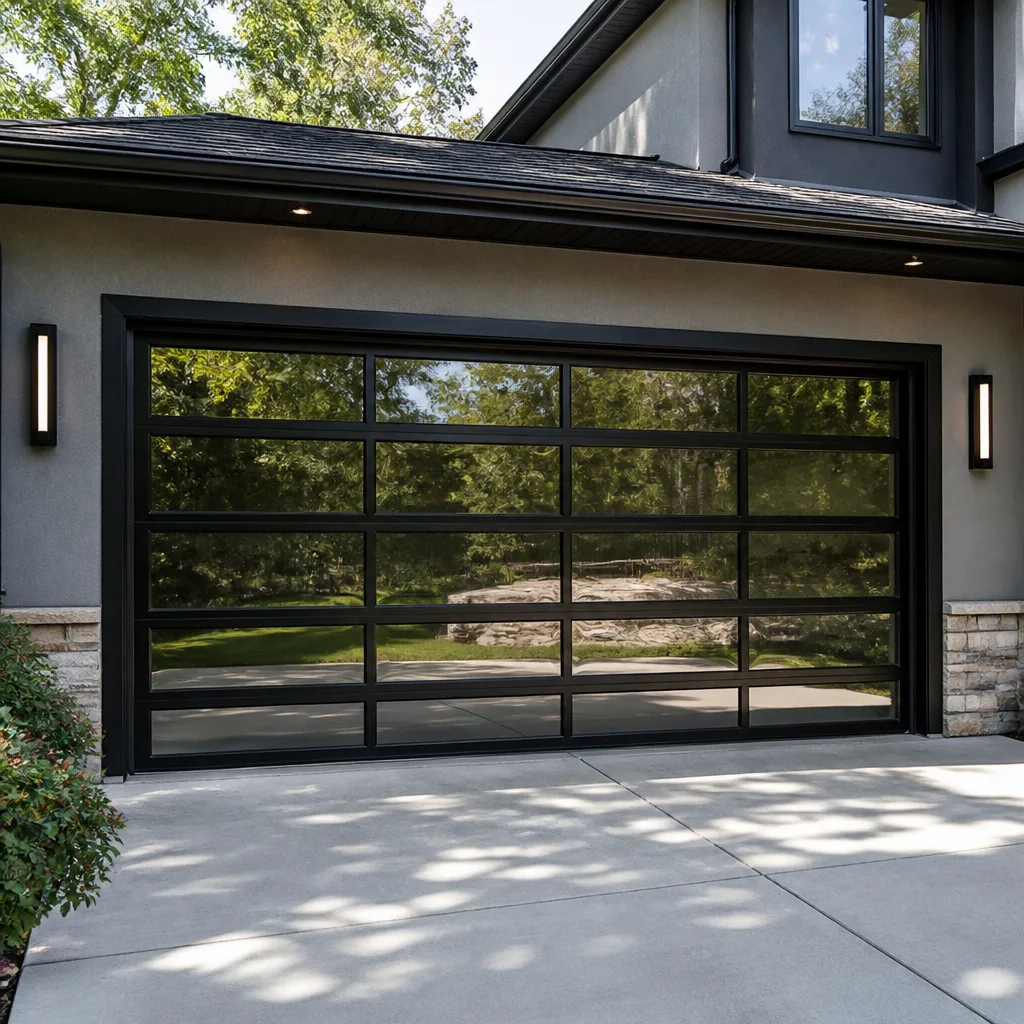 Full-view glass
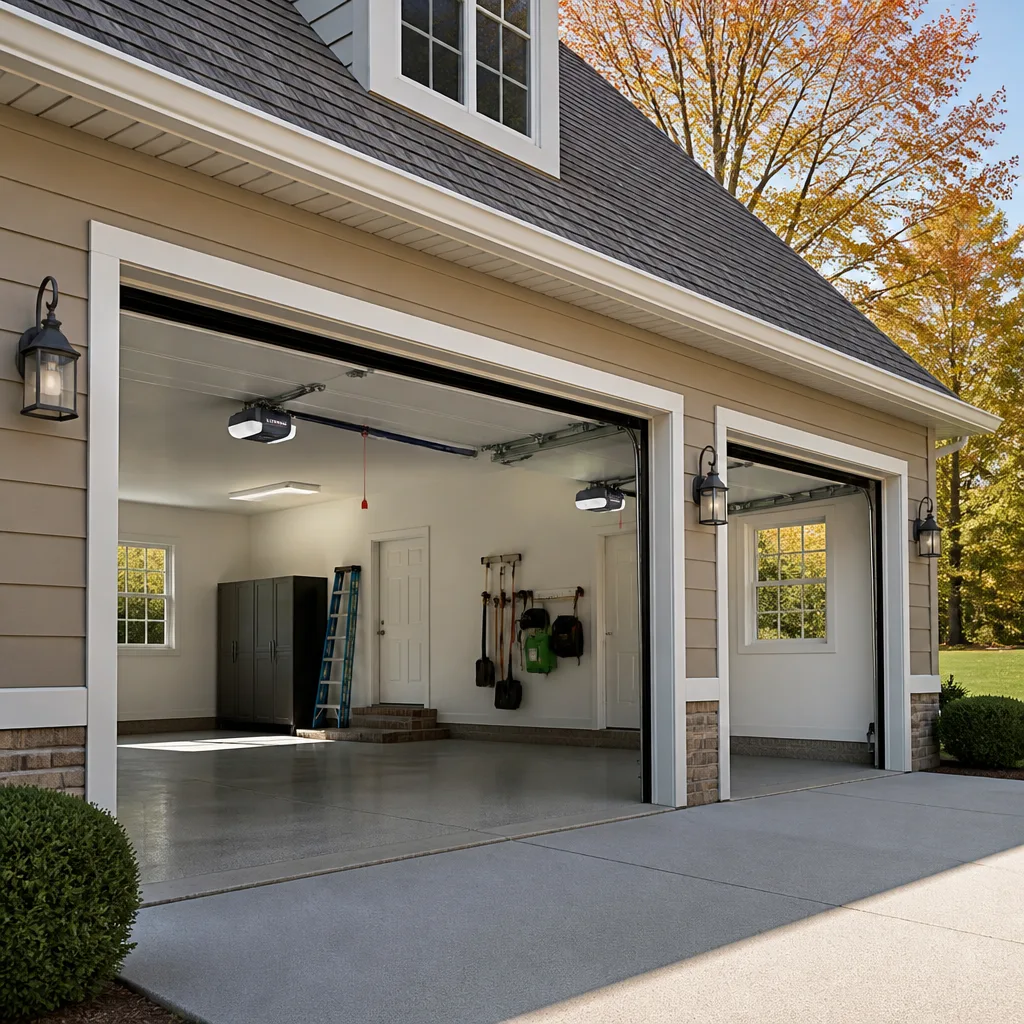 LiftMaster openers
 Chamberlain openers
Full 25-point door and opener safety check with every visit - springs, cables, rollers, tracks, and your LiftMaster or Chamberlain opener included
You get a price before we start. It does not change when the truck arrives.
Get your free estimateGarage Door Warning Signs: A San Diego Homeowner’s Reference Guide
A garage door that “just reverses sometimes” isn’t being finicky. It’s telling you one of exactly four things: a sensor misalignment, a force-setting issue, a failing logic board, or a mechanical bind. Each has a different fix, a different cost, and a different urgency level. The problem is that most homeowners treat these signals as one mystery instead of a diagnostic map. This guide breaks down every major warning sign San Diego homeowners encounter, what each one specifically means, how urgent it is, and what happens if you ignore it. By the time you finish reading, you’ll know which sounds and behaviors are safe to monitor for a few weeks, and which ones mean the door should not be operated again until a specialist looks at it.
Quick Answer
The most common garage door warning signs in San Diego fall into five categories: grinding or screeching noises (usually roller or bearing wear), jerky or uneven movement (often a track or spring issue), a door that reverses before or after closing (sensor or force-setting problems), visible spring or cable damage (immediate stop-use conditions), and coastal-specific corrosion like orange streaking on springs or white mineral buildup on seals. Grinding, jerking, and intermittent reversal can often be addressed affordably if caught within the first 30 to 60 days. Broken springs, frayed cables, and a door that won’t stay open are not monitor-and-wait situations; they require same-day professional attention because the door can drop suddenly under its own weight.
Styles & brands we work with
Table of Contents
- Noises: What Grinding, Squealing, and Rattling Actually Mean
- Movement Problems: Jerking, Hesitation, and Uneven Gaps
- When the Door Reverses Unexpectedly: The Four Causes
- San Diego Coastal Warning Signs: Salt, Minerals, and Stucco Fatigue
- Opener Problems vs. Mechanical Door Problems: Two Different Failure Trees
- Signs That Mean Stop Using the Door Today
- Seasonal Timing: When San Diego Homeowners Notice Each Warning Sign
- Common Mistakes to Avoid
- When to Call a Professional
- Frequently Asked Questions
Noises: What Grinding, Squealing, and Rattling Actually Mean
A garage door that makes noise is usually announcing a specific mechanical issue, and the type of sound tells you which part is talking. We’ve diagnosed thousands of noisy doors across San Diego, and in our experience, homeowners misidentify the source about half the time. They’ll replace rollers when the real problem is a failing bearing plate, or lubricate a track to mask the sound of a spring that’s beginning to bind. Knowing the difference matters because some noises indicate a $40 fix, while others are the early stage of a repair that could run into the hundreds if the part fails completely.
- Grinding or metal-on-metal scraping: Almost always roller or hinge wear. Rollers have internal bearings that eventually seize; once a roller stops spinning, it slides along the track and shaves metal off it. You’ll see fine black or silver dust on the track, which confirms the diagnosis.
- Squealing or high-pitched shrieking: Usually a dry or failing bearing plate at the end of the torsion tube, above the center of the door, or a spring that’s losing its internal lubrication. This is common on doors that are ten or more years old, especially if they’ve never been serviced.
- Rattling when the door moves: Typically loose hardware: hinge bolts, track brackets, or roller brackets that have backed out over thousands of open-and-close cycles. Rattling is the most benign sound on this list, but it accelerates wear on every connected part.
- A pop or bang when the door starts moving: This is the sound of a spring that has slipped on its cone, or a cable that jumped off its drum. It happens most often after a sudden temperature change or when a spring is nearing the end of its cycle life. A single pop isn’t always fatal, but it’s a sign the spring’s set-and-forget tension is no longer holding.
- A rumble or vibration you feel through the floor: Often a bent track, a warped panel, or an opener whose mounting bolts have loosened. The vibration transmits through the door, not the motor itself.
San Diego’s combination of coastal humidity and inland dry heat means lubrication breaks down at different rates depending on where you live. A door in Point Loma may need roller attention every five to seven years due to salt-accelerated bearing wear, while a door in El Cajon might run a decade on the same rollers. This is why a blanket “lubricate every six months” rule doesn’t tell the full story. The sound itself is more diagnostic than any maintenance schedule. If a homeowner calls us about noise and can describe the sound accurately over the phone, we can usually tell them with reasonable confidence whether they need a tune-up or a specific part before we even arrive.
For a full diagnosis of any persistent garage door noise, Garage Door Repair in San Diego covers our complete inspection process and what’s included in a service call.
Movement Problems: Jerking, Hesitation, and Uneven Gaps
A properly functioning garage door moves smoothly and evenly from fully closed to fully open, with no abrupt changes in speed and no visible difference between one side and the other. When that symmetry breaks, the door is telling you something specific. Jerking is not a personality trait of older doors. It’s a mechanical symptom with a mechanical cause. Similarly, a door that hesitates at a particular point in its travel isn’t “sticking a little”; it’s encountering resistance at a specific spot, and that spot is a map to the problem.
- Junky or jerky movement through the first foot of travel: This is the classic signature of worn or flat-spotted rollers trying to negotiate the curve in the track. The lower the roller quality, the earlier this shows up. Original-equipment plastic rollers on budget doors are usually the first to fail.
- A door that moves smoothly but pauses partway up: Typically an opener force-setting issue or a section hinge that’s binding. If the pause happens at the same spot every time, look at the track and hinges at that height. If it’s inconsistent, suspect the opener’s logic board misreading resistance.
- One side of the door hangs lower than the other: A cable has likely stretched or slipped on its drum, or one spring is weaker than the other. This imbalance puts uneven stress on every component. Left alone, it accelerates cable wear and can lead to a cable snapping while the door is moving.
- Visible gaps between panels when the door is closed: On a sectional door, the panels should seat tightly together. A persistent gap at the seam means a hinge is wearing or the panel has started to warp. In San Diego, where many homes have west-facing garage doors that take direct afternoon sun, thermal warping of steel panels is more common than homeowners expect.
- Door drifts down after reaching full open: This is almost always a spring issue. A properly tensioned spring system holds the door in place at the top. When springs lose tension, the opener becomes the only thing holding the door up, and no opener is designed to bear that load indefinitely.
What makes uneven gaps at the floor especially tricky in San Diego is that many garages have settled concrete slabs. If the floor isn’t level, the door may appear uneven at the bottom when it’s actually the slab that slopes. In our experience, this is one of the most common false alarms we get called out to inspect, which is a good outcome for the homeowner. We’d rather tell you the door is fine and the floor is the culprit than have you replace springs you didn’t need. If you’re seeing uneven gaps, check the door against the header, not the floor, before calling for service.
When the Door Reverses Unexpectedly: The Four Causes
A garage door that reverses on its own, either before touching the floor or immediately after, is one of the most commonly reported issues in San Diego. The behavior feels random from inside the house, but it’s almost never random. In our diagnostic work, it traces back to one of four underlying causes, and each has its own repair path.
- Photo-eye misalignment or blockage: The two safety sensors mounted near the bottom of the track on each side must see each other uninterrupted for the door to close. A sensor bumped by a broom, a box, or even accumulated dust can break the beam. This is the most common cause of a door that reverses immediately with no warning light.
- Force-setting drift: The opener’s downward force is calibrated to stop and reverse if it meets resistance. Over time, door weight changes as springs weaken, and a setting that worked fine now reads normal door weight as an obstruction. The opener reverses even though there’s nothing in the way. This often presents as a door that closes fine on some days and reverses on others.
- Travel-module failure: Modern openers use either a screw-drive limit system or an RPM-counting module to know where “closed” is. When those components wear, the opener may think the floor is six inches higher than it actually is, reversing when it hits what it believes is an obstacle.
- Mechanical bind: A bent track, a swollen bottom seal, or debris in the track can create enough resistance at a specific point to trigger the reversal. If the door only reverses at the same spot on the floor, this is the likely cause. If it reverses at different points or only sometimes, look to the electronics.
The critical distinction for San Diego homeowners is whether the reversal happens at the same physical spot every time or varies. Consistent-spot reversal points to the door and track; variable reversal points to the opener’s electronics. Checking this one detail before calling can save you the cost of a service call that diagnoses a problem you could have identified yourself. You’ll also get a faster diagnosis when you do call, because you can tell us which pattern you’re seeing. For dedicated opener diagnostics, Garage Door Opener Repair in San Diego explains how we approach electronic versus mechanical failures.
San Diego Coastal Warning Signs: Salt, Minerals, and Stucco Fatigue
Most generic garage door advice online is written for inland, non-coastal homes. San Diego has a specific set of warning signs that appear almost exclusively within five to ten miles of the Pacific, and they’re invisible to homeowners who don’t know what they’re looking at. These are not cosmetic issues. Each one is an early-stage corrosion or fatigue signal that, left unaddressed, shortens the lifespan of the door and its hardware meaningfully.
- Orange or rust-colored streaking on torsion springs: This is salt corrosion, not surface rust from age. The marine layer deposits salt on every exposed metal surface, and springs are particularly vulnerable because the corrosion works into the coil gaps where it’s impossible to see until it streaks outward. Once a spring shows orange streaking, its cycle life is finite. We’ve replaced springs in La Jolla that were five or six years old but corroded beyond safe tension, while springs in inland communities regularly last ten years or more.
- White crystalline buildup on the bottom seal and lower panels: San Diego’s hard water, combined with yard irrigation overspray, deposits minerals that build up on the bottom rubber seal and creep onto the lower panel. This buildup hardens the seal, causing it to crack and lose its compression. The result is a gap at the floor that lets in dust, pests, and heat. Replacing the seal is a minor repair; replacing a lower panel that’s been etched by mineral buildup is not.
- Wobble in the track brackets or opener rail mounts anchored to stucco: Stucco, especially older San Diego stucco from the 1960s through the 1980s, can develop anchor fatigue where track brackets and opener rails are bolted through it. The constant pull-and-release of door cycles works the anchors loose. You may not notice it from inside the car; you’ll see it from outside the house, watching the track brackets flex each time the door reaches full open.
- Green or white corrosion on the bottom fixture plates: The plates where cables attach to the bottom corners are bare steel on many doors. Salt air works on them year-round. Visible pitting or staining is an early warning that the cable anchor point may not hold under full door weight.
If you live within the coastal fog zone, which in San Diego stretches further inland than most people think, roughly to the 805 corridor on summer mornings, make a habit of inspecting springs, seals, and brackets twice a year. The spring and fall equinoxes are convenient reminders. The goal isn’t to catch failures; it’s to catch the warning signs that precede them by months. Most coastal damage is progressive, not sudden. The window for an inexpensive fix is wider than inland homeowners get, but only if you’re looking.
Opener Problems vs. Mechanical Door Problems: Two Different Failure Trees
One of the costliest mistakes a San Diego homeowner can make is misdiagnosing an opener problem as a door problem, or vice versa. The repair paths are different, the parts are different, and the urgency levels are completely different in several cases. With brands like LiftMaster, Chamberlain, and Genie installed across the county, and legacy units from Craftsman and Raynor still running in older homes, accurately separating opener failures from door failures is the foundation of a correct diagnosis.
Opener problems live in the motor unit, the logic board, the remote or wall console, the safety sensors, the travel module, and the rail. They are electronic or electromechanical in nature. Opener failures rarely create dangerous situations on their own, because the door itself is still balanced on its springs. A door with a dead opener can be operated manually. A door with a failing opener may move slowly, stop partway, reverse incorrectly, or fail to respond to remotes, but the door itself remains safe to operate by hand once disengaged.
Mechanical door problems live in the springs, cables, rollers, hinges, tracks, and panels. They are load-bearing failures. The difference in urgency is stark: a broken spring or frayed cable means the door’s weight is no longer counterbalanced, and any attempt to operate the door, by opener or by hand, risks a sudden drop. A door with a broken spring is not manageable by hand. It may weigh 150 to 250 pounds, and gravity doesn’t negotiate.
Here’s how to tell the difference before you call:
- Test the door manually. Pull the red release cord and try to lift the door by hand. If it lifts smoothly and stays open on its own, the door is balanced, and the problem is almost certainly in the opener. If it’s heavy, won’t stay up, or feels like lifting a refrigerator, the springs or cables have failed, and the problem is mechanical.
- Check for opener response. Press the wall console. If the motor hums but doesn’t move the door, the opener is getting power but the drive gear may have stripped. If you hear a click but nothing else, suspect the logic board. If you hear nothing at all, check the outlet and the opener’s power connection before assuming the opener is dead.
- Look at the cables and springs. A door that won’t open even though the opener runs is frequently a spring that broke during the last cycle. The opener is trying to lift a dead weight it was never designed to handle, and it will burn out its own motor if you keep pressing the button.
We service all the major opener brands, including LiftMaster and Chamberlain, which are the two most common in San Diego, plus Genie, Craftsman, and Raynor. When an opener is beyond repair, we’ll tell you that plainly. There’s no point in putting a new logic board into an opener that’s been running since the Clinton administration. If the door itself is the problem, the opener usually is not, and replacing the door without checking the springs is a waste of money. If you’re facing a full replacement either way, Garage Door Installation in San Diego walks through what a new system actually costs in this market.
Signs That Mean Stop Using the Door Today
Most warning signs offer a grace period, a window of weeks or months during which monitoring and minor repairs are reasonable. A noisy roller can wait for a tune-up. A sticking track can be adjusted on your schedule. But certain signs mean the door is unsafe to operate immediately, and continuing to use it, even once, can result in the door falling, a cable whipping loose, or the opener destroying its own drive gear.
Stop using the door immediately if you see any of the following:
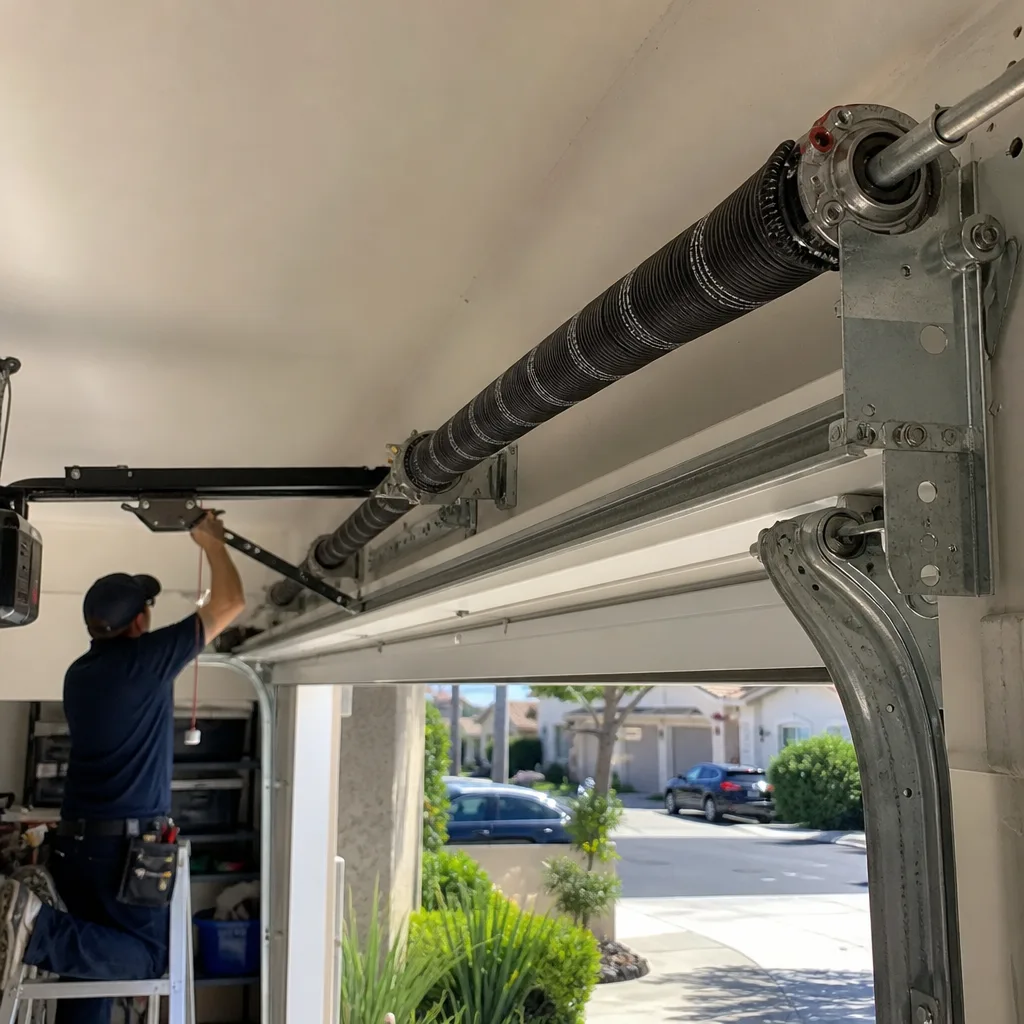
- A visibly broken torsion spring. Torsion springs sit above the door on a horizontal shaft. If you see a gap in the coil, the spring has snapped. The door now has no counterbalance. Do not pull the release cord and try to lift it, and do not let anyone stand under the door while it’s open.
- Frayed or unraveling cables. The cables on each side of the door are under hundreds of pounds of tension. If individual wire strands are visible, fraying, or unwinding from the drum, the cable is approaching failure. A snapping cable can whip with enough force to cause serious injury, and the door will drop instantly if it’s the only cable holding that side.
- The door drops rapidly or slams on the way down. A controlled door descends smoothly. A door that accelerates and hits the ground hard has lost its tension system, either through a broken spring or a cable that has slipped off the drum. This is the final warning before a full failure.
- A loud bang from the spring area followed by the door not holding position. That bang is the sound of a spring breaking, not a random noise. If the door is open when it happens, leave it. Call a professional. Attempting to close it or open it further is how emergency-room visits happen.
One thing we want to be completely clear about: high-tension garage door springs and cables are not DIY repair territory. The energy stored in a wound torsion spring is enough to cause catastrophic injury if it releases uncontrolled. If you see any of the warning signs above, do not search for instructions online and attempt the repair yourself. Call a qualified garage door specialist. The risk is not worth the money saved, and a professional repair for a broken spring is a fraction of the cost of what a spring-related accident can lead to. This is the one area where we’ll be blunt: leave the springs to people who work with them every day.
Seasonal Timing: When San Diego Homeowners Notice Each Warning Sign
San Diego doesn’t have the freeze-thaw cycles that make garage door problems ramp up in winter in other parts of the country, but the county has its own seasonal rhythm. Different warning signs surface at different times of year, and knowing what to listen for in a given month helps you catch problems in their earliest stage.
Late summer and fall is the highest-risk inspection window. The hot, dry months of August through October stress every component. Springs expand and contract with the heat; lube cooks off faster in inland communities like Santee and Poway; stucco anchors, already weak, work loose more quickly in the dry heat. Then, in September and October, the first Santa Ana conditions arrive, and the temperature swing between night and day widens. Steel expands and contracts. That’s when springs that have been quietly fatiguing all summer decide to snap. If you’re going to have a spring failure, odds are it happens between late September and late November.
Spring is when coastal corrosion signs become visible. The winter marine layer months, from March through June, are the dampest stretch of the year for neighborhoods within the fog zone. Salt deposits build up on springs and hardware through the winter, then the first warm dry days of spring bake the residue into visible streaking. This is the time to check for orange spring staining, pitting on bottom fixtures, and white mineral buildup on the seal, which is also common in spring because that’s when irrigation systems come back on and overspray hits the door.
Summer is when opener electronics act up. Garages in San Diego regularly exceed 100 degrees in July and August, especially east of the 15. Heat-sensitive components in logic boards degrade faster at sustained high temperatures. If your opener is going to fail to reverse correctly, refuse a remote signal, or eat a travel module, summer is when it tends to happen. Chamberlain and LiftMaster units are generally heat-tolerant, but older Genie and Craftsman openers that have been roasting in a hot garage for fifteen years are especially vulnerable.
The practical takeaway: schedule a visual inspection in early October, before the fall spring-failure season, and a second look in April or May, when coastal corrosion has just become visible. Two ten-minute checks a year will catch 80% of warning signs before they become breakdowns. This is especially true for San Diego homeowners whose garages face west, since late-afternoon heat load accelerates panel expansion, seal degradation, and opener electronics wear.
Common Mistakes to Avoid
- Lubricating to cover up a noise instead of diagnosing it. Spraying grease on a squealing spring quiets the symptom and masks the fact that the spring is binding internally. The problem continues to develop silently. Diagnose first, lubricate second, or you’ll be replacing a spring you could have monitored.
- Assuming an opener brand problem means the door is fine. If a LiftMaster opener reverses inconsistently, and the real cause is a binding roller, replacing or repairing the opener doesn’t fix anything. The new opener will inherit the same reversal behavior. Always separate the opener from the door. Always check the door manually.
- Ignoring visible rust on springs because “it’s always been there.” In coastal San Diego, rust streaks are a countdown, not a cosmetic issue. The spring is still under tension and still functioning, but its metal is thinning and its cycle life is shortening. It’s a hundred-dollar repair now or a multi-hundred-dollar emergency later.
- Pulling the release cord while the door is under tension. If the door is open and a spring is broken, pulling that red cord releases the door from the opener, and nothing is holding it but the cables, which may also be compromised. This is how doors come down on cars, bikes, and occasionally people. Never disengage a door that isn’t fully closed, or that you suspect may be unbalanced.
- Replacing the opener when the real issue is a heavy door. A door that has lost spring tension feels heavy, and the opener strains and burns out trying to move it. Homeowners sometimes replace the burned-out opener and think the problem is solved. Six months later, the new opener fails the same way. The door balance problem is still there.
- Waiting until the door won’t open to call. Most San Diego service calls we handle are for doors that have been exhibiting warning signs for weeks or months. The homeowner noticed the noise or the jerk, filed it mentally as “I’ll get to it,” and waited until the failure stranded a car in the garage. By the time a door won’t open, the repair is always more expensive than it would have been at the warning-sign stage.
When to Call a Professional
If you’ve read through this guide and identified one or more of the warning signs above, the next step is a professional inspection. Any grinding noise that’s new, any visible spring or cable damage, any reversal behavior that’s been going on for more than a week, and any door that feels heavy when you operate it manually are reasons to call. A professional inspection costs less than the repair you’re avoiding, and it tells you whether the issue is urgent or can wait.
Eagle Garage Door Service offers free estimates in San Diego, and we specialize exclusively in garage doors: repair, opener repair, and full installation. That’s all we do. It means the technician who answers your call is the same specialist who diagnoses your door, and the same one who fixes it. No generalist handyman splitting attention across plumbing and electrical. Just garage doors, every day. Call (888) 783-4032 for a free estimate, and we’ll give you an honest recommendation on whether to repair or replace, with the price quoted and agreed before any work starts.
Frequently Asked Questions
The most common warning signs are grinding or squealing noises during operation, a door that jerks or moves unevenly, a door that reverses without touching anything, visible rusting or streaking on springs in coastal areas, and a door that feels heavy when operated manually. Each of these signals a different underlying issue, and several of them can be fixed affordably if caught within the first 30 to 60 days.
The two most reliable indicators are visible rust or orange streaking on the spring coils and a door that feels noticeably heavier when you pull the release cord and lift it by hand. In San Diego’s coastal areas, spring rust is the primary early warning; inland, the heaviness test is more diagnostic. Springs don’t usually fail without either a visible metal defect or a change in the door’s balance. If you see either sign, call (888) 783-4032 for a free estimate before the spring breaks completely.
An unexplained reversal is caused by one of four things: photo-eye misalignment, a force setting that’s drifted out of calibration, a failing travel module in the opener, or a mechanical bind in the track. Check whether the reversal happens at the same physical spot every time. Consistent-spot reversal points to the door or track; variable reversal points to the opener. If it’s been happening for more than a few days, schedule an inspection rather than continuing to reset the opener.
Yes, and this is the single most dangerous garage door scenario. When a torsion spring breaks, the door loses its counterbalance, and the only thing holding it up is the cable system, which may also be compromised. A 150- to 250-pound door can come down fast enough to damage a car or injure a person. If you hear a loud bang from the spring area and the door won’t hold position, stop using the door immediately and call a professional. Never attempt to move a door with a broken spring, and never attempt spring repair yourself.
Twice a year is the right cadence for most San Diego homes: once in early October, before the fall spring-failure season, and once in April or May, when coastal corrosion signs become visible. This schedule catches the two dominant local warning-sign patterns: heat-stressed springs going into fall and salt-corroded hardware emerging after the winter marine layer. If your garage door faces west and takes full afternoon sun, the October inspection matters even more. For a full assessment, Garage Door Repair in San Diego includes a complete hardware inspection with every service call.
That depends on the age and condition of the door, and the answer should come from someone who has no financial incentive to sell you a new door. A door that’s structurally sound but suffering from worn rollers, a failing opener, or a tired spring is usually a repair candidate. A door with rusted-through panels, a sagging frame, or a door that’s already had two spring failures in five years may be cheaper to replace than to keep patching. We’ll give you an honest recommendation, not the most profitable one. For pricing context, Garage Door Installation in San Diego outlines what a replacement actually costs in this market.
The Bottom Line
Most garage door failures in San Diego announce themselves 60 to 90 days in advance. The door makes a new noise. It jerks where it used to glide. It reverses without reason. A spring shows its first streaks of rust. None of these is a mystery, and none of them improves by waiting. The difference between a $150 tune-up and a $700 emergency repair is usually just attention: noticing the signal early, checking the common causes, and making one call before the door makes the decision for you. Whether it’s a worn roller in El Cajon, a salt-corroded spring in Ocean Beach, or a failing opener logic board in Rancho Bernardo, the warning signs are consistent. Learn to read them, and your garage door will give you years of quiet, reliable service. Ignore them, and it will choose its own moment to fail. Call (888) 783-4032 when you spot a sign, and we’ll tell you honestly what it means and what it costs to fix.
Written by the team at Eagle Garage Door Service home, serving San Diego since 2015.
See the difference
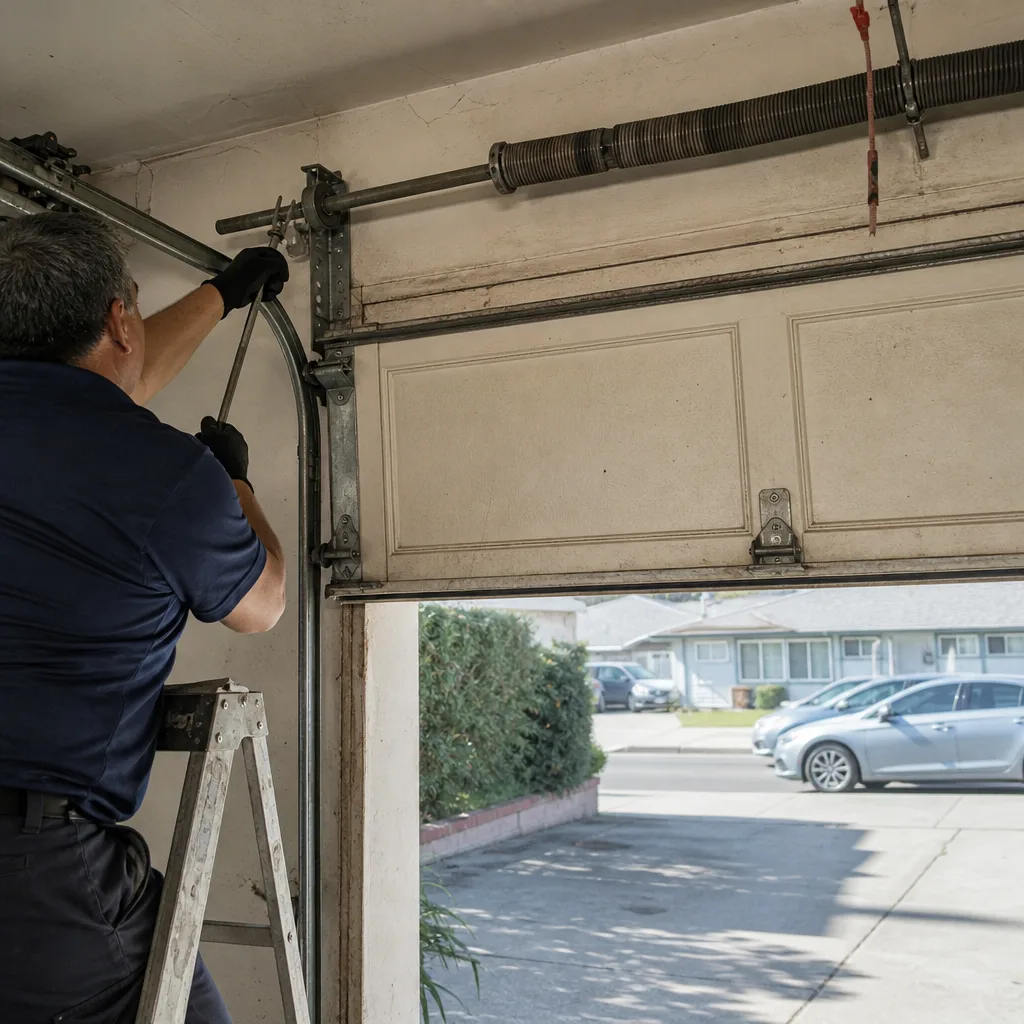 Before
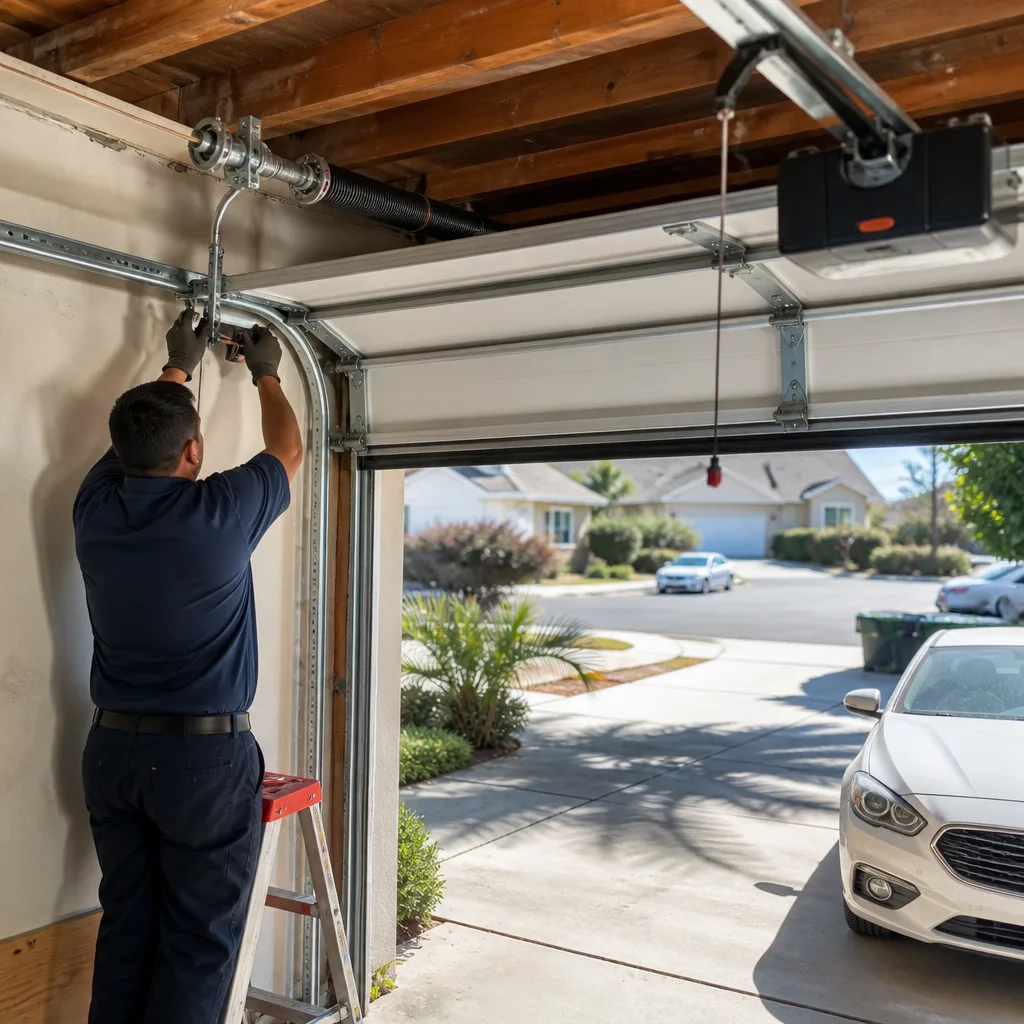 After
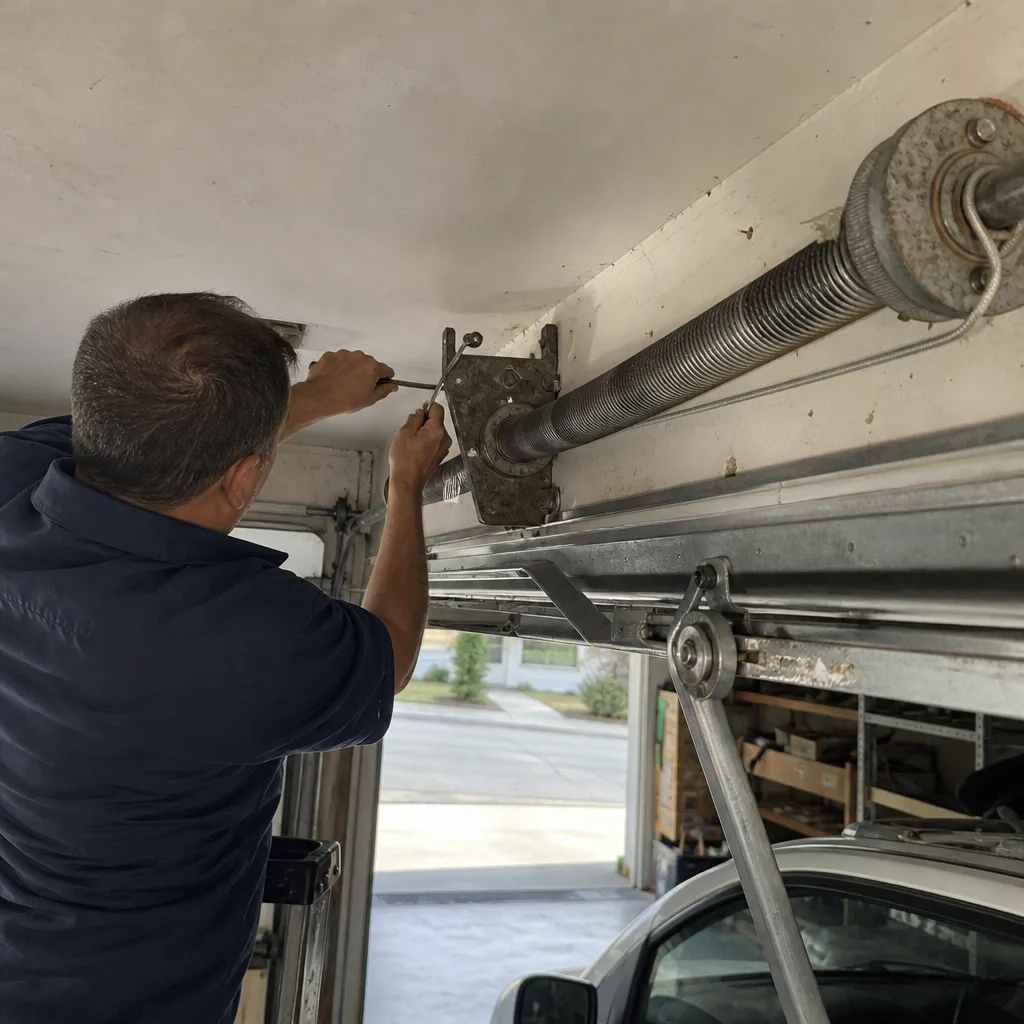 Before
 After
 Before
 After