Last updated October 31, 2026
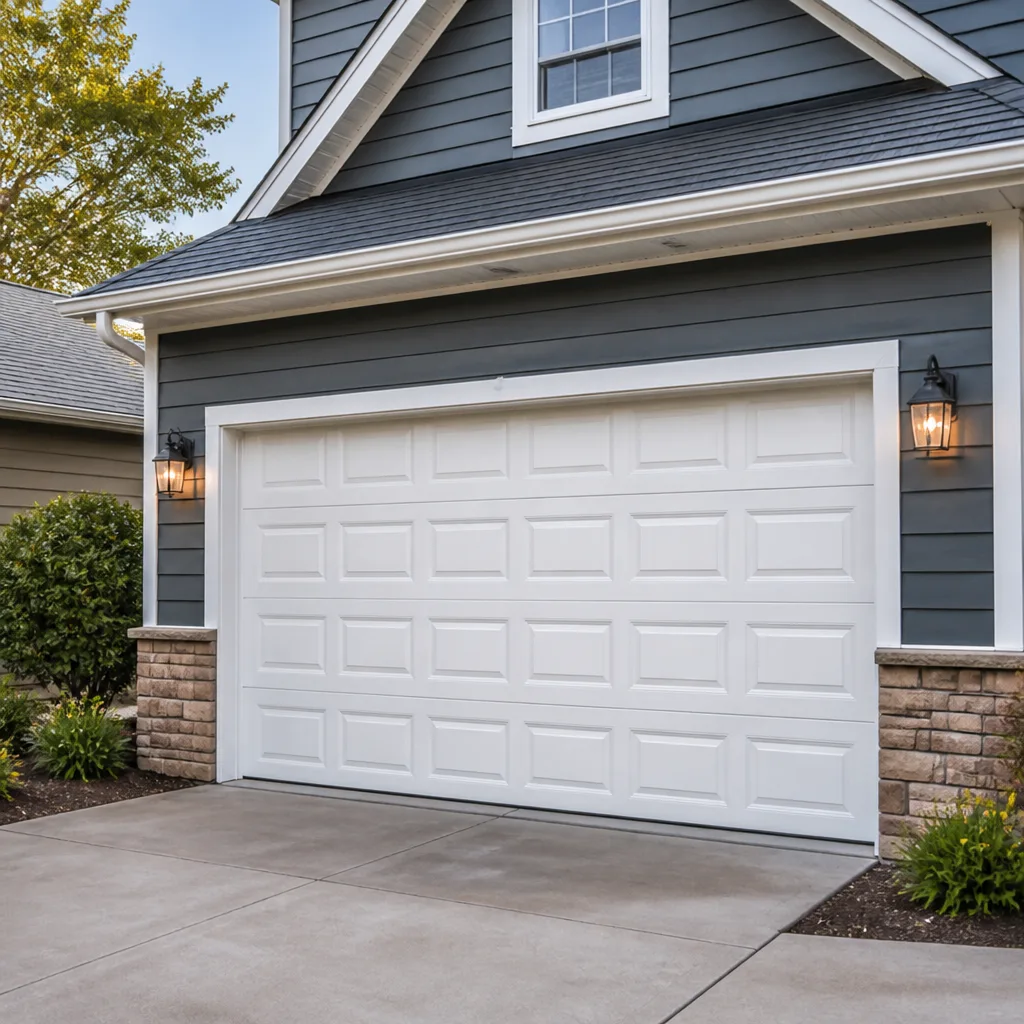 Raised-panel steel
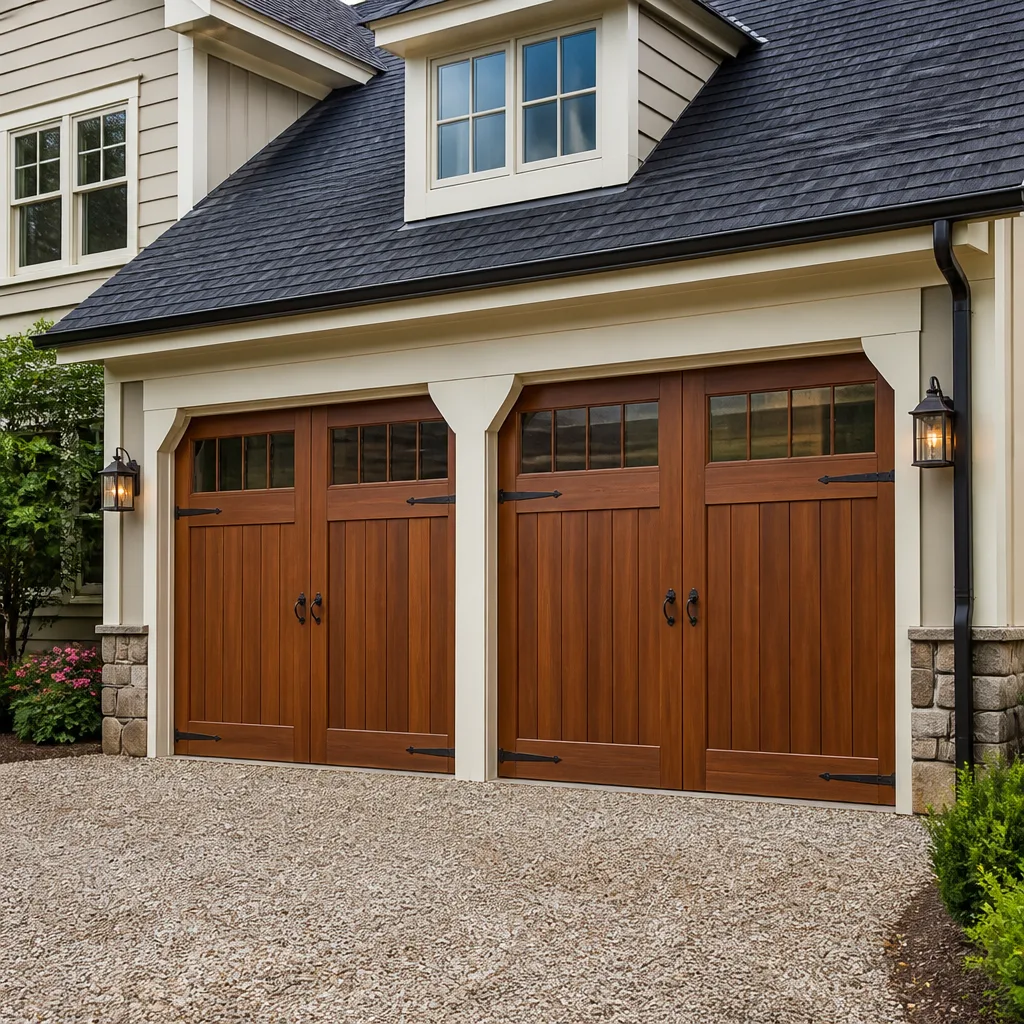 Carriage house
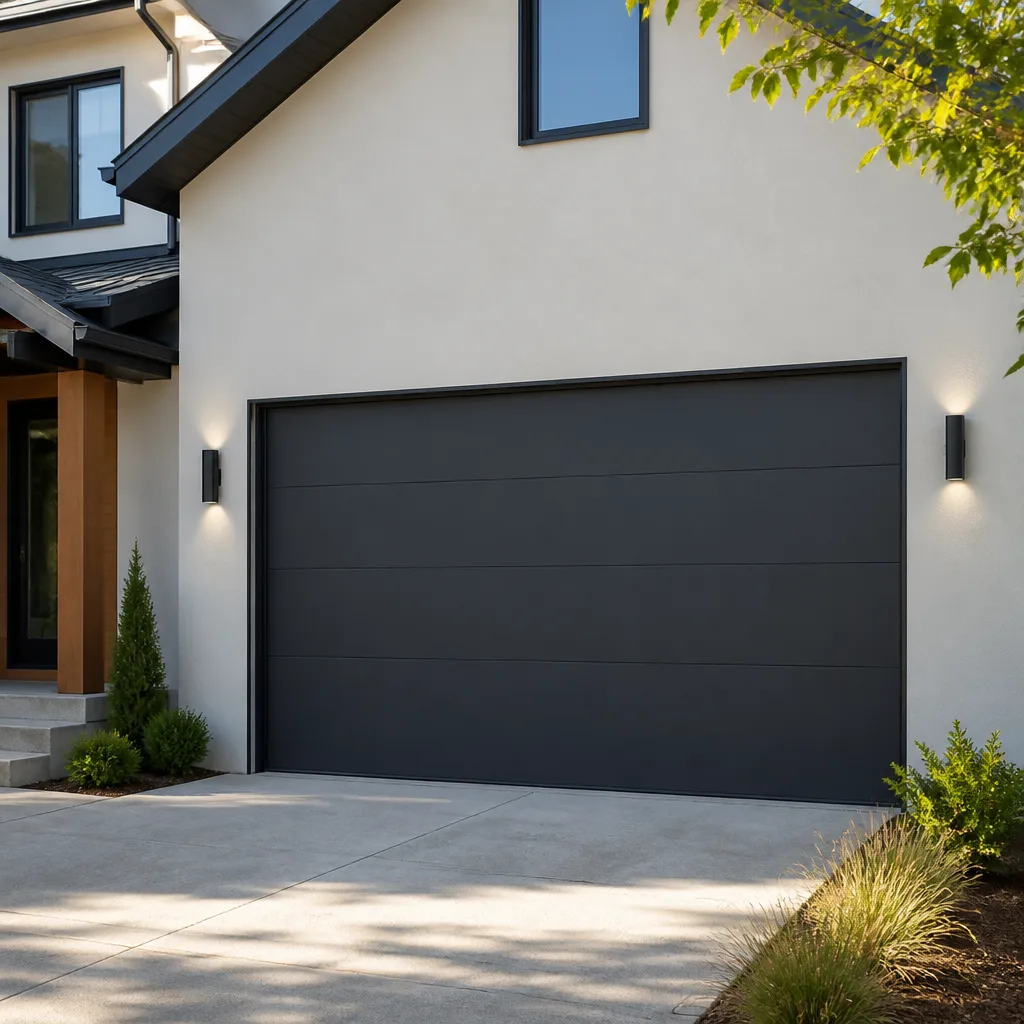 Modern flush
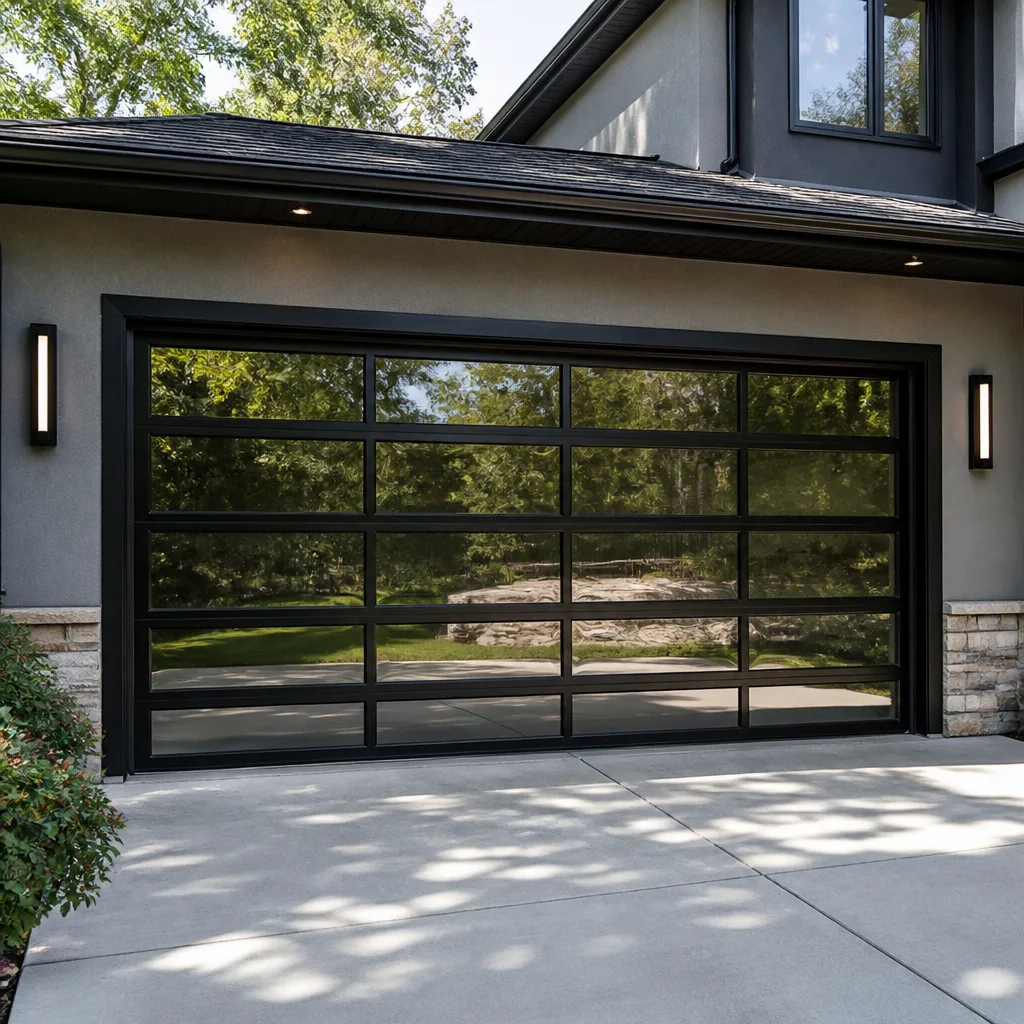 Full-view glass
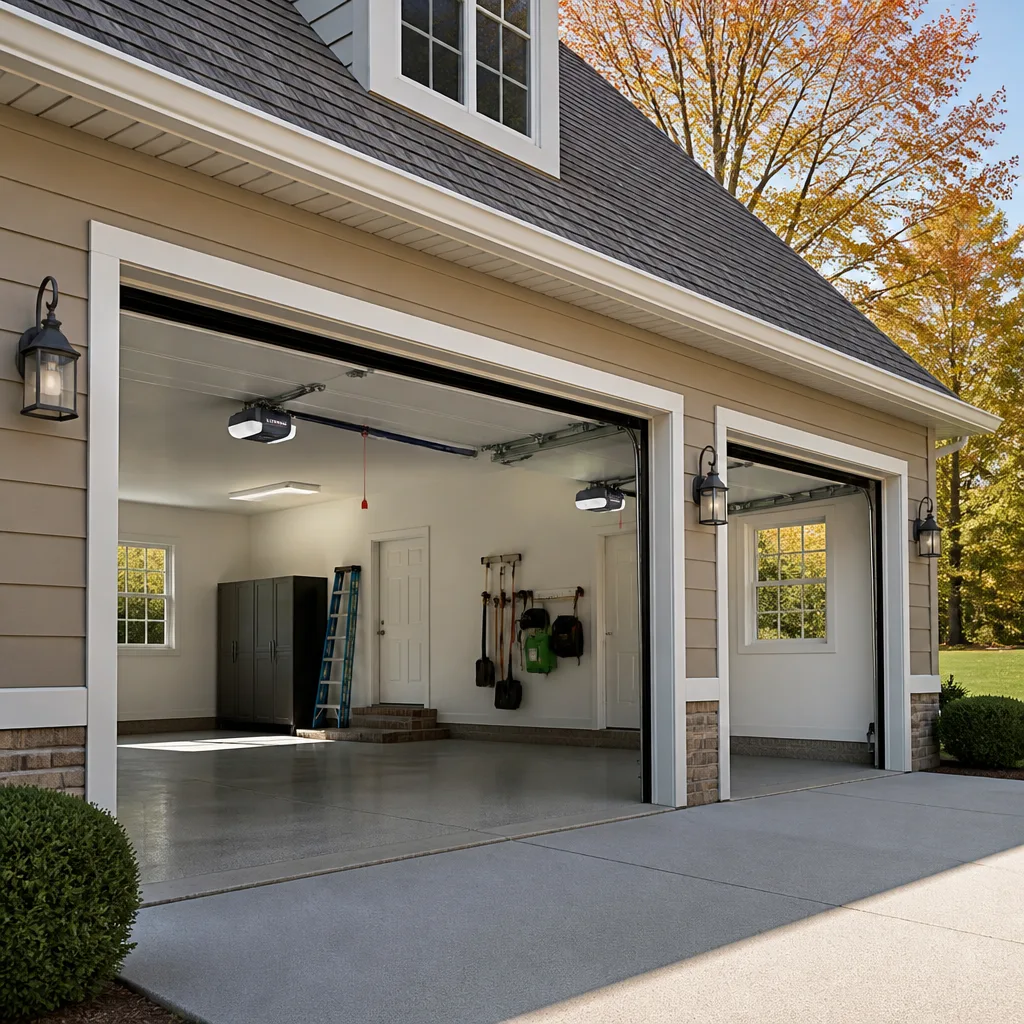 LiftMaster openers
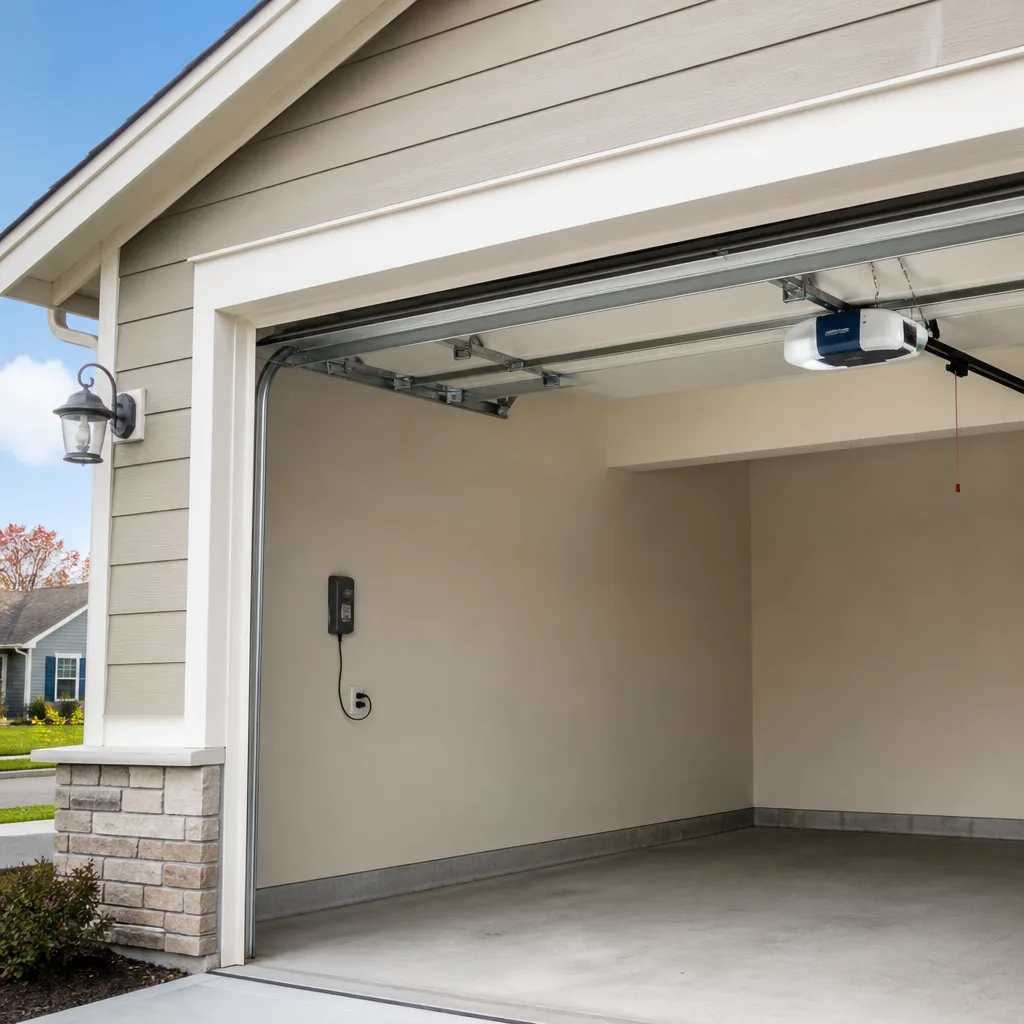 Chamberlain openers
Full 25-point door and opener safety check with every visit - springs, cables, rollers, tracks, and your LiftMaster or Chamberlain opener included
You get a price before we start. It does not change when the truck arrives.
Get your free estimateChoosing the Right Garage Door Brand: A Buyer’s Guide for San Diego
Two garage doors can look identical in a showroom and perform completely differently in a coastal San Diego zip code. The difference is in the spring steel grade, the galvanization spec on the hardware, and whether the local service network can get parts within 48 hours. This guide walks through what actually matters when choosing a garage door brand in San Diego, from corrosion resistance to warranty fine print, so you can make a decision that holds up for 15 to 20 years, not just until the first winter storm rolls through. For more detail, see The Complete Guide to Garage Door in San Diego.
Styles & brands we work with
Quick Answer
The best garage door brand in San Diego depends on your home’s distance from the coast, your budget, and how long you plan to stay in the house. For most coastal and inland San Diego homeowners, Clopay and Amarr offer the strongest combination of corrosion-resistant hardware, accurate insulation ratings, and local parts availability, while Chamberlain and LiftMaster lead on the opener side. We’ll break down exactly what to look for by brand below.
Table of Contents
- Why the San Diego Coastal Climate Changes Everything
- Brand Comparison: What Actually Matters in San Diego
- Door Manufacturer vs. Opener Manufacturer: The Match That Matters
- Warranty Fine Print: What ‘Lifetime’ Really Covers in Coastal Environments
- Parts Availability: The 48-Hour Question
- What San Diego’s 1990s-2000s Housing Tracts Were Built With
- How to Evaluate a Garage Door Brand: A Step-by-Step Method
- Common Mistakes to Avoid
- When to Call a Professional
- Frequently Asked Questions
- The Bottom Line
Why the San Diego Coastal Climate Changes Everything
San Diego’s climate is the single most important factor in brand selection, and it’s the one most national buying guides completely miss. The marine layer that rolls through Point Loma, Ocean Beach, La Jolla, and Coronado carries airborne salt and moisture that attacks garage door hardware year-round. A door that performs flawlessly in Temecula or El Cajon can show rust on hinges, rollers, and spring brackets within 18 months in a coastal zip code like 92107 or 92037.
What gets affected first is rarely the door panel itself. It’s the hardware: the torsion spring, the cable drums, the hinges, the track brackets, and the bottom weather seal retainer. These components are made of galvanized steel in budget brands, but the galvanization spec varies widely. Cheaper manufacturers use a thin zinc coating rated for interior use. Coastal-rated hardware uses a heavier hot-dip galvanization or stainless steel components. When you’re comparing brands in San Diego, the hardware spec matters more than the panel color options.
Insulation ratings also behave differently in San Diego than in other markets. The R-value printed on a door’s spec sheet is tested under controlled laboratory conditions. In the real world, a door’s effective insulation depends on how well the panels seal, how the bottom weather strip sits against the slab, and whether the joints between panels have thermal breaks. For San Diego homeowners in inland areas like Santee, El Cajon, or Poway where summer temperatures routinely exceed 95 degrees, an uninsulated or poorly sealed door can turn a garage into an oven that heats the rooms above it.
Brand Comparison: What Actually Matters in San Diego
Here’s a direct comparison of the major garage door brands available in San Diego, evaluated on the three dimensions that actually affect daily life here: hardware corrosion resistance, insulation R-value accuracy, and parts availability through local service networks.
Clopay
Clopay manufactures doors in multiple tiers, and the tier matters more than the brand name. Their premium lines use galvanized steel with a heavy zinc coating on all hardware, and their insulation packages are among the most accurately rated in the industry. In our experience servicing doors across San Diego County, Clopay doors hold up well in coastal areas when you choose their higher-tier models. The trade-off is price. Clopay’s premium steel doors cost more upfront, but the hardware tends to outlast cheaper doors by 5 to 7 years in marine-layer exposure. Parts are generally available through San Diego distributors within 24 to 48 hours.
Amarr
Amarr is a strong competitor for San Diego specifically because of their focus on hardware durability. Their commercial-grade hinges and brackets use heavier gauge steel with better corrosion resistance than most residential competitors. Amarr also publishes detailed R-value specs that hold up well in real-world testing. For homeowners in coastal neighborhoods like Crown Point, Mission Beach, or Del Mar, Amarr’s Classica and Heritage lines offer hardware that resists the salt air better than budget alternatives. Their distribution network in Southern California is solid, which means parts arrive quickly when something does fail.
Wayne Dalton
Wayne Dalton has a large installed base in San Diego, partly because builders in the 1990s and 2000s used them extensively in tract housing developments. Their doors are widely available and parts are generally easy to source through local distributors. The weak point on older Wayne Dalton models is the TorqueMaster spring system, which uses a different mechanism than traditional torsion springs. TorqueMaster springs are enclosed inside a tube, which makes them harder to inspect and service. If you own a 1990s or 2000s San Diego home with the original Wayne Dalton door, the spring system is worth checking specifically. Newer models have moved back to standard torsion spring systems, which are easier to maintain.
Raynor
Raynor positions itself as a premium brand with strong warranty programs, and their doors are well built. The challenge for San Diego homeowners is that Raynor’s authorized service network is thinner in our county than Clopay’s or Amarr’s. If a Raynor door needs a proprietary part, the lead time can be longer because fewer local distributors stock their components. Raynor doors themselves are solid, but brand selection isn’t just about the door; it’s about what happens when the door needs service. A brand with fewer local service options can mean a longer wait when the spring breaks on a Tuesday morning and you need to get to work.
CHI Overhead Doors
CHI is a brand that doesn’t get as much attention as Clopay or Amarr, but their doors are well regarded in the industry for build quality. Their steel is thick, their hardware is properly galvanized, and their insulation packages are competitive. CHI’s presence in San Diego is growing, but their local parts network is still developing. For homeowners in more remote parts of the county like Jamul, Alpine, or Ramona, the question of parts availability is worth asking before committing to a CHI door.
Chamberlain and LiftMaster (Openers)
On the opener side, Chamberlain and LiftMaster are the two most common brands installed in San Diego, and they’re actually the same parent company. Chamberlain is the retail brand sold at big-box stores, while LiftMaster is the professional-line brand installed by dealers and service companies. The difference matters. LiftMaster openers sold through professional channels use a one-piece rail, heavier-duty internal components, and a stronger warranty than Chamberlain’s retail equivalents. Both brands offer smart-home integration through the myQ platform, which is a serious consideration for San Diego homeowners who want to control their garage door from a phone. If you’re replacing an opener, a LiftMaster installed by a professional typically lasts longer than a retail Chamberlain installed by the homeowner, because the installation quality and component grade are different. See our DIY vs Professional Garage Door: The San Diego Homeowner’s Decision Guide for more on this.
Genie
Genie openers are also widely installed in San Diego, particularly in homes built before 2010. Genie’s screw-drive openers were common in the 1990s and early 2000s, and many of them are still running. Genie’s newer belt-drive models are quieter and integrate with Aladdin Connect, their smart-home platform. Genie parts are generally available through San Diego distributors, though their professional service network is smaller than LiftMaster’s.
Door Manufacturer vs. Opener Manufacturer: The Match That Matters
One of the most common points of confusion for San Diego homeowners is the difference between a door manufacturer and an opener manufacturer. These are separate products made by separate companies, and they don’t have to match. A Clopay door can run on a LiftMaster opener. An Amarr door can run on a Genie opener. The door and the opener are independent systems that work together, but compatibility between specific models matters more than brand matching.
Here’s the framework we use when advising San Diego homeowners:
- The door determines insulation, durability, and appearance. The door is the large moving wall that closes off your garage. Its brand determines the panel material, the insulation R-value, the hardware grade, and the warranty coverage. The door brand does not affect the opener brand.
- The opener determines motor quality, noise, and smart features. The opener is the motorized unit on the ceiling that moves the door. Its brand determines whether the motor is belt, chain, or screw drive, how quiet it is, and whether it supports smart-home integration. The opener brand does not affect the door brand.
- Smart-home compatibility lives in the opener, not the door. If you want to open and close your garage door from your phone, that’s a function of the opener’s control board and app. LiftMaster and Chamberlain use myQ. Genie uses Aladdin Connect. The door itself is just the physical panel that moves.
- Warranty coverage is separate for door and opener. The door warranty covers panels, paint, hardware, and springs. The opener warranty covers the motor, circuit board, and drive mechanism. Replacing one doesn’t affect the other’s warranty.
In practice, this means a San Diego homeowner can buy an Amarr door and pair it with a LiftMaster opener without any compatibility issues, as long as the opener’s lifting capacity matches the door’s weight and size. The only time brand matching becomes relevant is when a manufacturer offers a bundled warranty for a matched system, which some brands do. In our experience, the bundle benefit is rarely significant enough to override choosing the best door and the best opener independently.
Warranty Fine Print: What ‘Lifetime’ Really Covers in Coastal Environments
The word “lifetime warranty” is used heavily in garage door marketing, and it means less than most San Diego homeowners assume. This is where we see the most disappointment. A homeowner buys a door with a “lifetime warranty,” the hardware rusts after three years in coastal air, and the warranty claim is denied because surface rust is excluded. So what does the warranty actually cover?
Here’s what to look for when evaluating warranty terms for a San Diego garage door:
- Panel warranty vs. hardware warranty. Most “lifetime” warranties cover the steel panels against rust-through (actual holes in the metal). Hardware like springs, hinges, and rollers typically carries a separate, shorter warranty: 1 to 5 years. The parts most likely to fail in coastal environments are the parts with the shortest coverage.
- Rust-through vs. surface rust. “Lifetime” panel warranties almost always exclude surface rust. Rust-through means the steel has actually corroded all the way through the panel. Surface rust, which is what San Diego coastal homeowners see on their hardware and door edges, is usually classified as cosmetic and excluded. The exact failure mode coastal air causes is the one the warranty doesn’t cover.
- Spring warranty terms. Torsion springs are the most frequently replaced component on any garage door, and their warranty is measured in cycles, not years. A standard spring is rated for 10,000 cycles, which translates to roughly 7 to 10 years of typical use. High-cycle springs rated for 25,000 to 50,000 cycles cost more upfront but last 2 to 3 times longer. The spring warranty terms tell you whether the manufacturer used quality spring steel or the cheapest available.
- Hardware corrosion exclusions. Most warranties specifically exclude “corrosion of hardware components” in coastal or high-humidity environments. That means hinges, brackets, cable drums, and track hardware rusting in La Jolla or Point Loma are not covered, regardless of what the brochure says. If corrosion is your primary concern, the warranty is not your protection; the hardware spec is.
- Labor coverage. Even when a warranty does cover a part, it rarely covers the labor to replace it. A warranty might send you a new spring, but the cost of having a technician install it is yours. For San Diego homeowners, this makes the warranty less valuable than the quality of the original installation.
The practical takeaway: don’t choose a garage door brand based on the word “lifetime.” Choose it based on the hardware spec, the spring cycle rating, and whether the manufacturer has a track record of honoring warranty claims through authorized service networks in San Diego County. For a deeper breakdown, read The Complete Garage Door Repair Guide for San Diego Homeowners.
Parts Availability: The 48-Hour Question
When a garage door breaks, it breaks on the worst possible day. A spring snaps on a Monday morning when you’re already running late. A cable frays on a Friday afternoon before a weekend trip. The question that matters at that moment is not “How good is the brand?” but “How fast can I get the part?” This is where brand selection has real-world consequences in San Diego.
Some door brands maintain strong parts distribution through local supply houses in San Diego County. Clopay, Amarr, and Wayne Dalton parts are generally available through distributors within 24 to 48 hours. When a spring breaks on a Clopay door, a service company with access to those distributors can typically get the correct replacement spring the same day or the next morning. The spring is not branded, but the spring’s specifications (wire gauge, inside diameter, length) must match the door, and having access to the manufacturer’s spec sheet through the distribution network speeds up the process.
Other brands are harder to service quickly. Raynor and CHI have thinner distribution in our county. If a Raynor door needs a proprietary hinge or bracket, the part may need to ship from a regional warehouse, adding 3 to 5 days to the repair timeline. That’s a meaningful difference when your car is parked outside and your garage is full of tools, bikes, and the water heater you can’t reach.
There’s also a distinction between brand parts and universal parts. Springs, rollers, cables, and hinges are largely universal components that any well-stocked service truck carries. Proprietary parts like specific panel styles, specific track configurations, or specific opener circuit boards are brand-specific and may require ordering. The more proprietary a door’s design, the more dependent you are on that brand’s parts network. Older Wayne Dalton TorqueMaster systems are a good example: the spring mechanism is brand-specific, and if it fails, a service company either needs to stock TorqueMaster parts or convert the system to a standard torsion spring. We do both regularly for San Diego homeowners.
Here’s the practical question to ask when evaluating a brand: “If the spring breaks on a Saturday morning, can a San Diego service company fix it before Monday?” For Clopay, Amarr, and Wayne Dalton the answer is almost always yes. For some niche brands, the answer is maybe. That “maybe” is a hidden cost you’ll pay in convenience, not dollars.
What San Diego’s 1990s-2000s Housing Tracts Were Built With
San Diego’s housing boom of the 1990s and early 2000s produced thousands of tract homes in neighborhoods like Scripps Ranch, Rancho Peñasquitos, Carmel Valley, 4S Ranch, Otay Ranch, and parts of Chula Vista. These homes typically came with builder-grade garage doors that had one shared characteristic: they were chosen to keep construction costs down, not to last 20 years in coastal air.
Most of these original installations were either Wayne Dalton or a local budget brand, paired with a builder-grade Chamberlain or Genie opener. The doors were single-layer steel with no insulation, the hardware was minimal galvanization, and the springs were standard 10,000-cycle units. If your San Diego home was built between 1995 and 2010 and still has the original garage door, you’re likely living with a door that’s past its service life.
Here’s what we typically see when those original systems fail, and what upgrade paths make sense:
- Original single-layer door with rusting hardware. The door’s panel steel may still be intact, but the hinges, brackets, and springs show significant corrosion. If the spring breaks, the smart move is usually to replace the entire door rather than repair it. The original door offers no insulation, and the cost of upgrading hardware alone is not worth putting into a 20-year-old uninsulated panel. A new double-layer steel door with a polyurethane or polystyrene core costs more but adds real insulation value and resets the hardware clock to zero.
- Original opener with failing circuit board. 1990s and 2000s openers lack smart-home capability and often fail at the circuit board level. Replacing just the board is rarely cost-effective. A new LiftMaster or Chamberlain belt-drive opener with myQ integration is quieter and gives you phone control. If you’re replacing the door anyway, it’s the right time to replace the opener too, since both are already in the same service window.
- Original door still functioning but showing wear on rollers and hinges. If the door opens and closes but the rollers are noisy and the hinges are sagging, you have a choice. Replacing the hardware (rollers, hinges, cables, springs) is cheaper than a full door replacement and can extend the door’s life by 5 to 7 years. But that only makes sense if the door panels are in good shape and you don’t need better insulation. If you’re in an inland area like Santee or Poway where garage heat is a real issue, upgrading to an insulated door may be the better long-term move.
For San Diego homeowners in these 1990s-2000s tracts, the brand question is not “Which brand should I buy?” but “Which brand sells an insulated, corrosion-resistant door that a local service company can support?” The answer tends to be Clopay or Amarr, with a LiftMaster professional-line opener.
How to Evaluate a Garage Door Brand: A Step-by-Step Method
If you’re shopping for a new garage door in San Diego and want to evaluate brands objectively, here’s the method we recommend. It’s the same process we walk through with homeowners when we’re helping them choose between options.
- Determine your distance from the coast. If you live west of I-5 or within about 3 miles of the ocean, corrosion resistance is your top priority. If you live east of I-15, insulation and heat management matter more. This single decision affects which brands and tiers make sense for your home.
- Check the hardware spec, not just the panel material. Ask the dealer or installer specifically about the galvanization spec on hinges, brackets, and track hardware. If they can’t answer that question, they’re selling panels, not engineering. A door with a beautiful panel and cheap hardware will look fine in the showroom and rust in your garage.
- Ask about spring cycle rating. Standard springs are rated for about 10,000 cycles. High-cycle springs are rated for 25,000 or more. For a door you open 3 to 4 times a day, that’s the difference between a spring lasting 7 years and lasting 15. The spring cycle rating is a better predictor of long-term cost than the brand name.
- Verify local parts availability. Ask the installer: “If a proprietary part fails, where does it ship from?” If the answer is a regional warehouse three states away, factor that delay into your decision. Local distribution means faster repairs.
- Read the warranty exclusions, not the warranty headline. Look for the words “corrosion,” “surface rust,” and “labor.” If corrosion is excluded and you live in La Jolla, the warranty is doing less work for you than the marketing suggests.
- Match the opener to your smart-home needs, not your door brand. Choose the door based on durability, insulation, and hardware. Choose the opener based on noise, motor type, and smart features. These are independent decisions.
Common Mistakes to Avoid
- Buying on door panel appearance alone. The panel is the visible part, but the hardware underneath is what fails first in San Diego’s coastal environment. A beautiful door with cheap hinges and standard springs will rust and fail long before a plain door with coastal-rated hardware.
- Assuming all “insulated” doors perform the same. The R-value on the spec sheet is measured in a lab, not in your garage. The actual insulation performance depends on panel sealing, bottom weather strip quality, and whether the door has thermal breaks between panels. A door with a higher claimed R-value can perform worse than a lower-rated door if the sealing is poor.
- Ignoring the spring cycle rating. Most homeowners never ask about spring cycles, and most salespeople don’t volunteer it. The spring is the component that will fail first, and the cycle rating determines when. A standard spring on a door opened 4 times daily lasts about 7 years. A high-cycle spring lasts 15. The upfront cost difference is small compared to a second spring replacement.
- Choosing a brand with thin local parts support. A door is a 15 to 20 year investment, and it will need service during that time. A brand with weak San Diego distribution means longer waits for parts when something breaks. Ask the question before you buy, not after the spring snaps.
- Replacing a door without considering the opener’s lifting capacity. If you’re upgrading from a single-layer steel door to an insulated double-layer door, the new door weighs more. A builder-grade opener installed for the original door may struggle with the added weight, shortening its motor life. Match the opener to the new door’s weight.
- Believing “lifetime warranty” covers everything. Lifetime warranties typically cover panel rust-through, not surface rust, not hardware corrosion, and not labor. In a coastal environment like San Diego, the failures you’ll actually experience are the ones the warranty excludes.
- Buying hardware online without verifying the spec. It’s tempting to buy a cheap spring kit or hinge set from an online retailer, but garage door springs operate under high tension and are sized to specific door weights. A wrong-sized spring is a genuine safety hazard. This is one component where professional selection matters.
When to Call a Professional
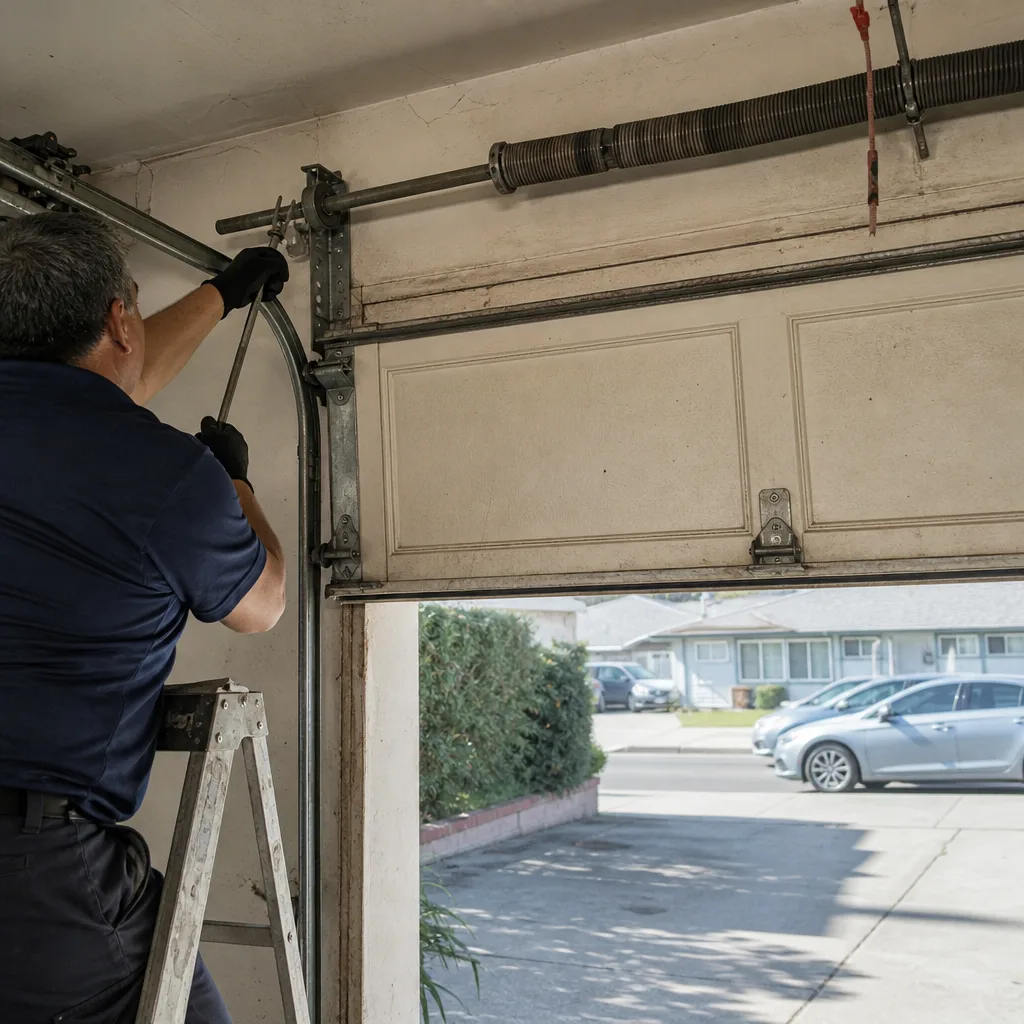
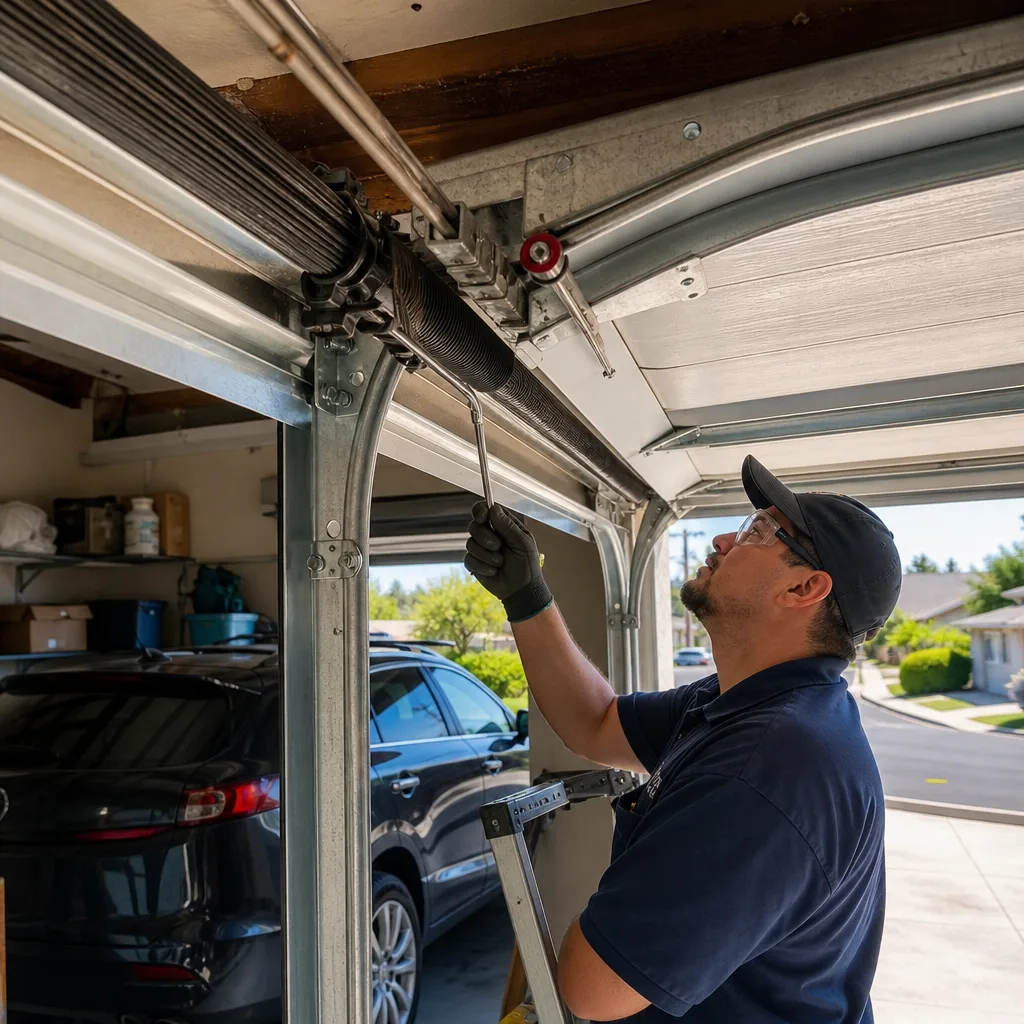
Garage door springs and cables operate under extreme tension. A torsion spring that snaps releases stored energy suddenly, and a person in the wrong position can be seriously injured. We don’t recommend DIY spring replacement, cable replacement, or any work involving the torsion system. These are jobs for a trained technician with the right tools and an understanding of how the door’s weight is counterbalanced. If your door is off-balance, making grinding noises, or the spring has visible gaps or corrosion, call a professional. The same applies to opener circuit board work and smart-home integration issues. For a free estimate, Garage Door Repair in San Diego is our core service, and we walk through your options before any work begins. Eagle Garage Door Service offers free estimates in San Diego. Call (888) 783-4032 to schedule.
Frequently Asked Questions
For homes within a few miles of the coast, we recommend Clopay’s premium lines or Amarr’s Classica and Heritage series, because their hardware uses heavier galvanization and holds up better in salt air than budget alternatives. The key is to choose a higher tier within those brands, since the entry-level models use the same thin hardware coatings as cheaper competitors. Pair the door with galvanized or stainless hardware options if available. For a specific recommendation based on your location and budget, call (888) 783-4032 for a free estimate.
A new garage door in San Diego typically costs between $1,200 and $4,500 installed, depending on size, insulation level, panel material, and hardware grade. Single-layer steel doors without insulation are the least expensive option, while insulated double-layer steel doors with high-cycle springs and coastal-rated hardware run toward the higher end of that range. Custom wood doors can exceed $6,000. The price we quote is agreed before any work starts, so the number you approve is the number you pay.
Yes, you can replace the door and keep the existing opener, but the opener must be rated to lift the new door’s weight. If you’re upgrading from an uninsulated single-layer door to a heavier insulated double-layer door, an older builder-grade opener may struggle with the added weight. In many cases it makes sense to replace both at the same time, since the labor cost of a second visit later can be avoided. We’ll give you an honest recommendation either way. See Garage Door Installation in San Diego for details.
Standard 10,000-cycle torsion springs last about 7 to 10 years for the typical San Diego homeowner who opens the garage door 3 to 4 times per day. High-cycle springs rated for 25,000 to 50,000 cycles last 15 to 20 years or more. Coastal corrosion can shorten spring life if the springs are not properly maintained and coated. If your springs show rust or visible gaps in the coil, it’s time to replace them before they snap. Call (888) 783-4032 and we’ll inspect them and give you an exact price before any work begins.
Most garage door warranties do not cover surface rust or hardware corrosion, even on doors marketed with “lifetime” warranties. The lifetime warranty typically applies to panel rust-through, which means actual holes in the steel panel, not the surface oxidation that coastal San Diego homeowners commonly see. Hardware components like hinges, brackets, and springs carry shorter warranties of 1 to 5 years and corrosion is usually excluded. The practical protection against rust is choosing hardware with heavier galvanization, not relying on a warranty.
LiftMaster’s professional-line openers are the most reliable choice for San Diego homeowners, primarily because they’re installed through professional channels and use heavier-duty components than retail Chamberlain models from the same parent company. The belt-drive models are quiet enough for attached garages with bedrooms above them, and the myQ smart-home platform is the most widely used in the county. Genie’s newer belt-drive openers are also solid, especially if you prefer their Aladdin Connect app. For opener repair or replacement, see Garage Door Opener Repair in San Diego.
The Bottom Line
Choosing a garage door brand in San Diego comes down to three things: hardware corrosion resistance for coastal homes, insulation accuracy for inland homes, and local parts availability for everyone. Clopay and Amarr offer the strongest overall package for most San Diego homeowners, while LiftMaster leads on the opener side. Don’t buy a door based on showroom appearance or “lifetime” warranty claims. Buy it based on the galvanization spec on the hardware, the spring cycle rating, and whether a local service company can get parts within 48 hours. The brand on the panel matters less than the engineering in the hardware.
Written by the team at Eagle Garage Door Service home, serving San Diego since 2015.
See the difference
 Before
 After
 Before
 After
 Before
 After