Last updated October 31, 2026
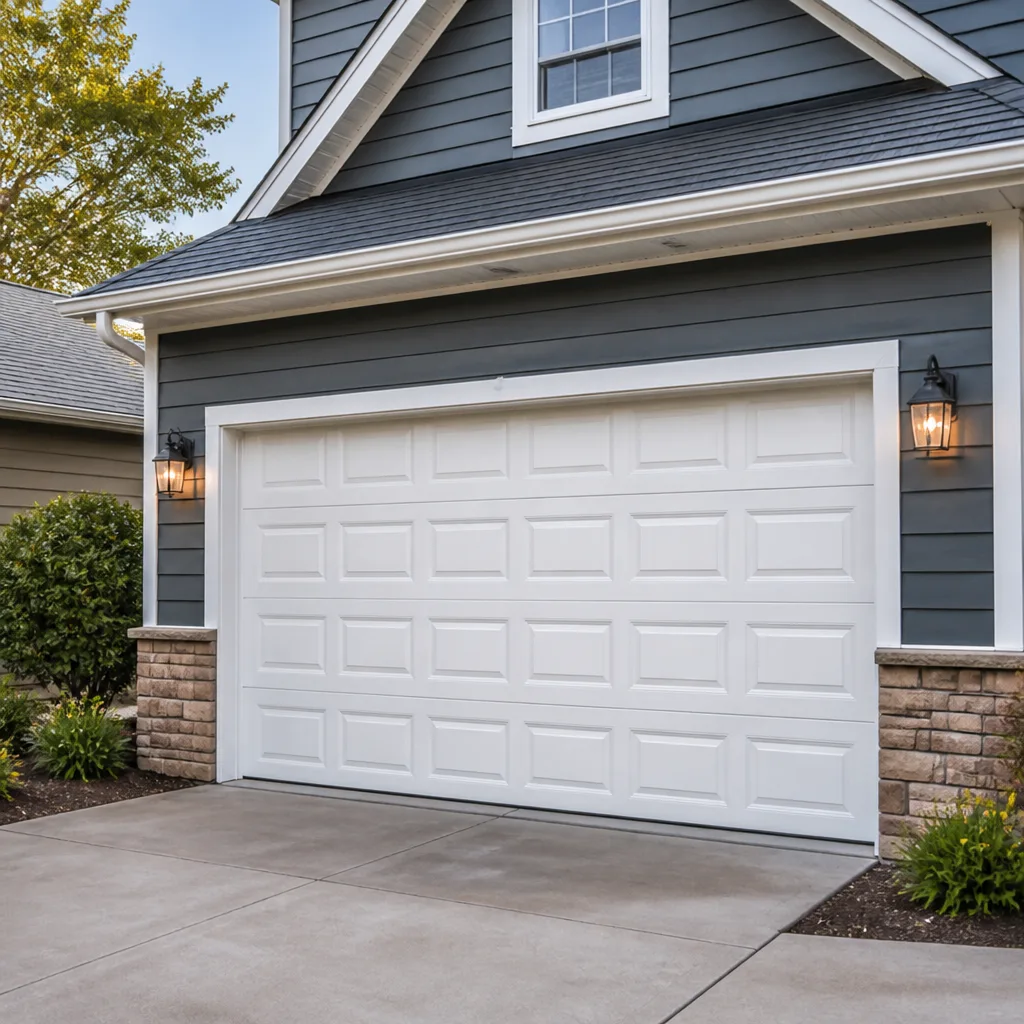 Raised-panel steel
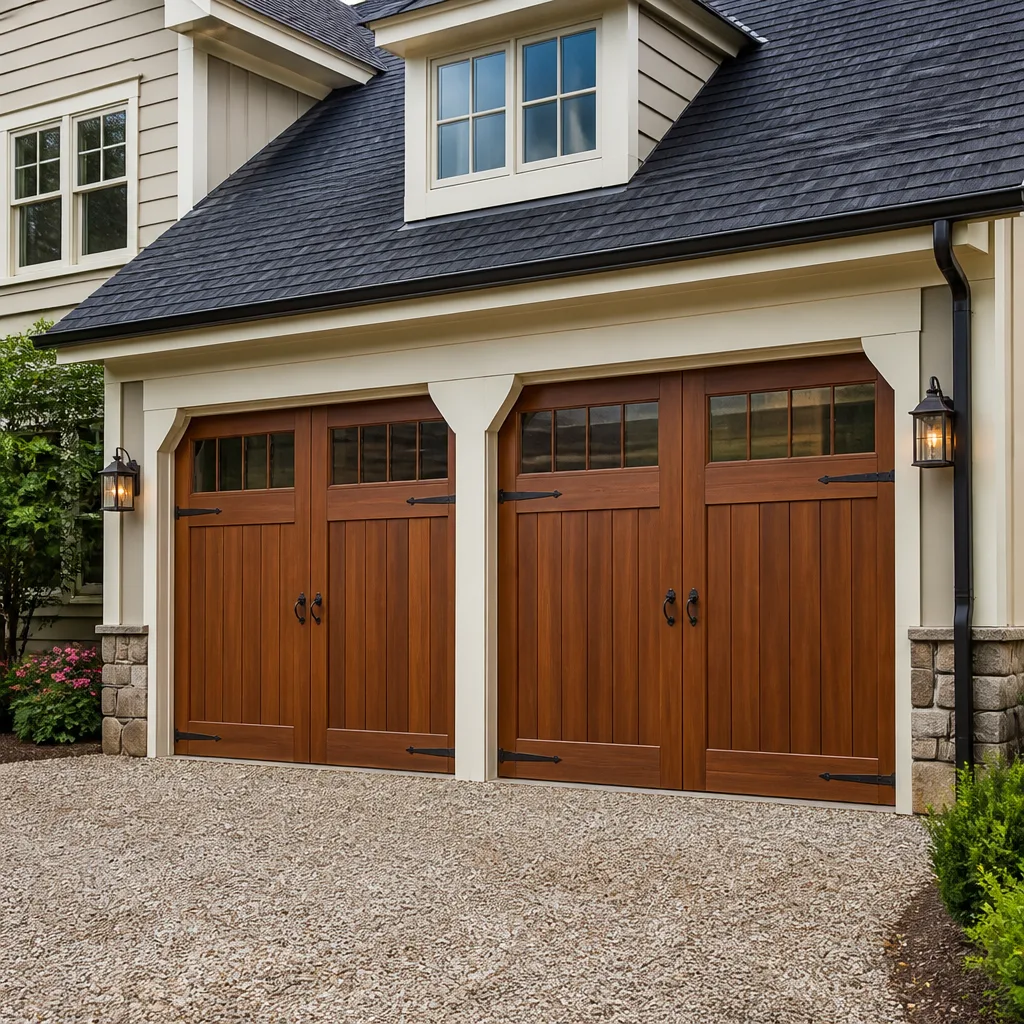 Carriage house
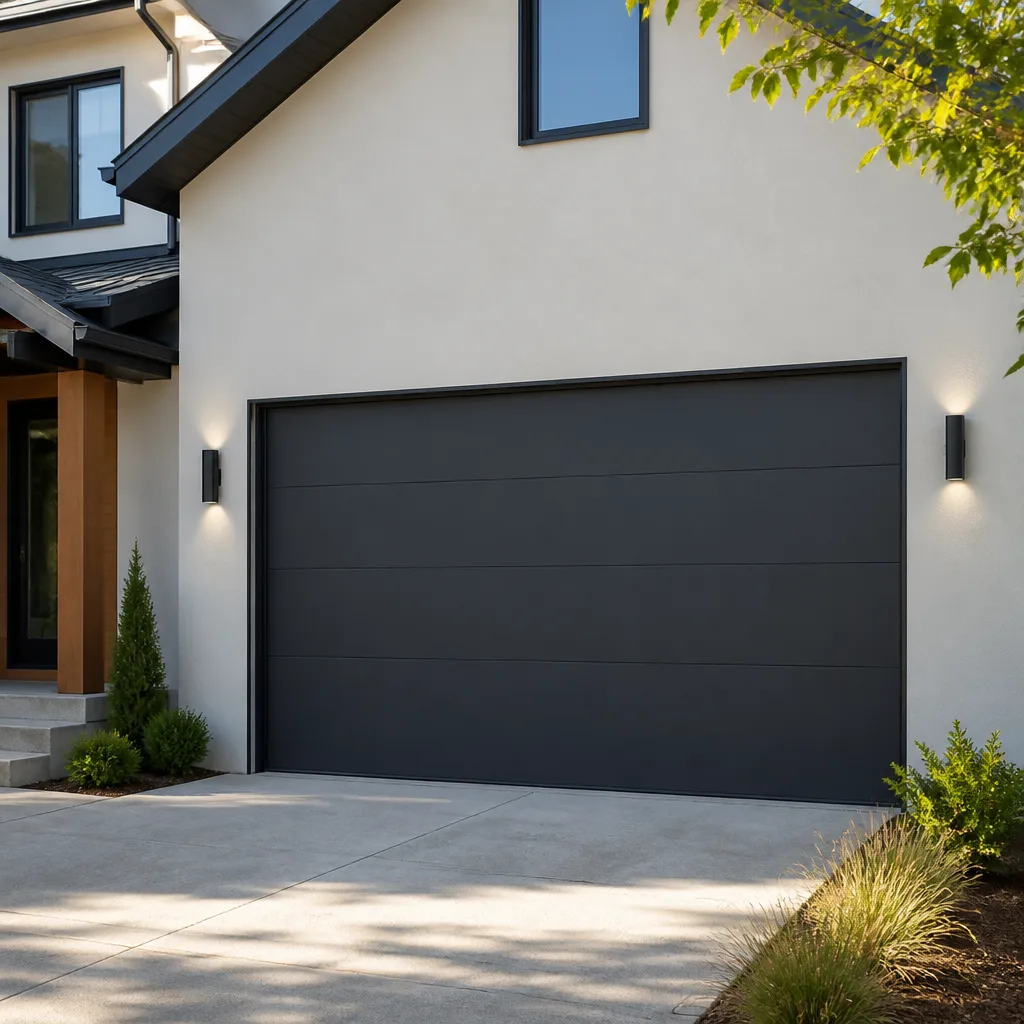 Modern flush
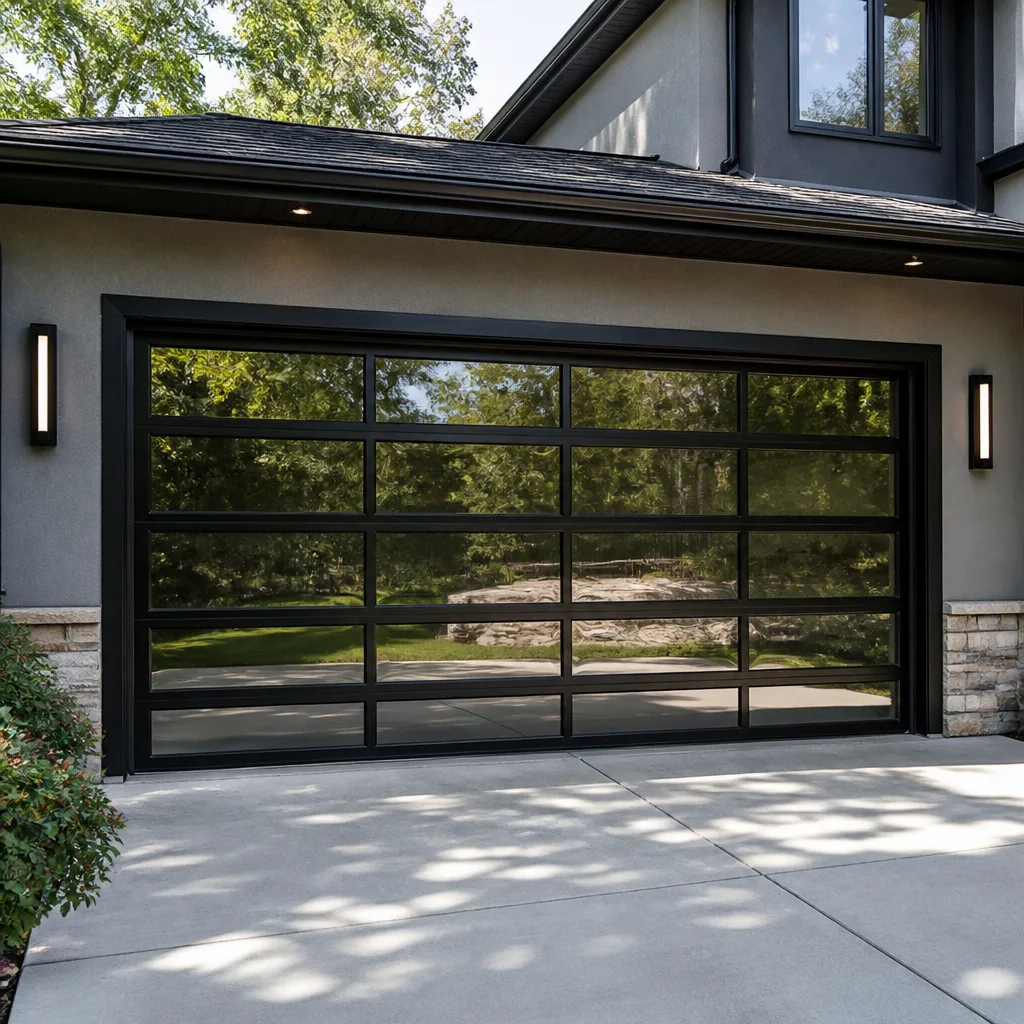 Full-view glass
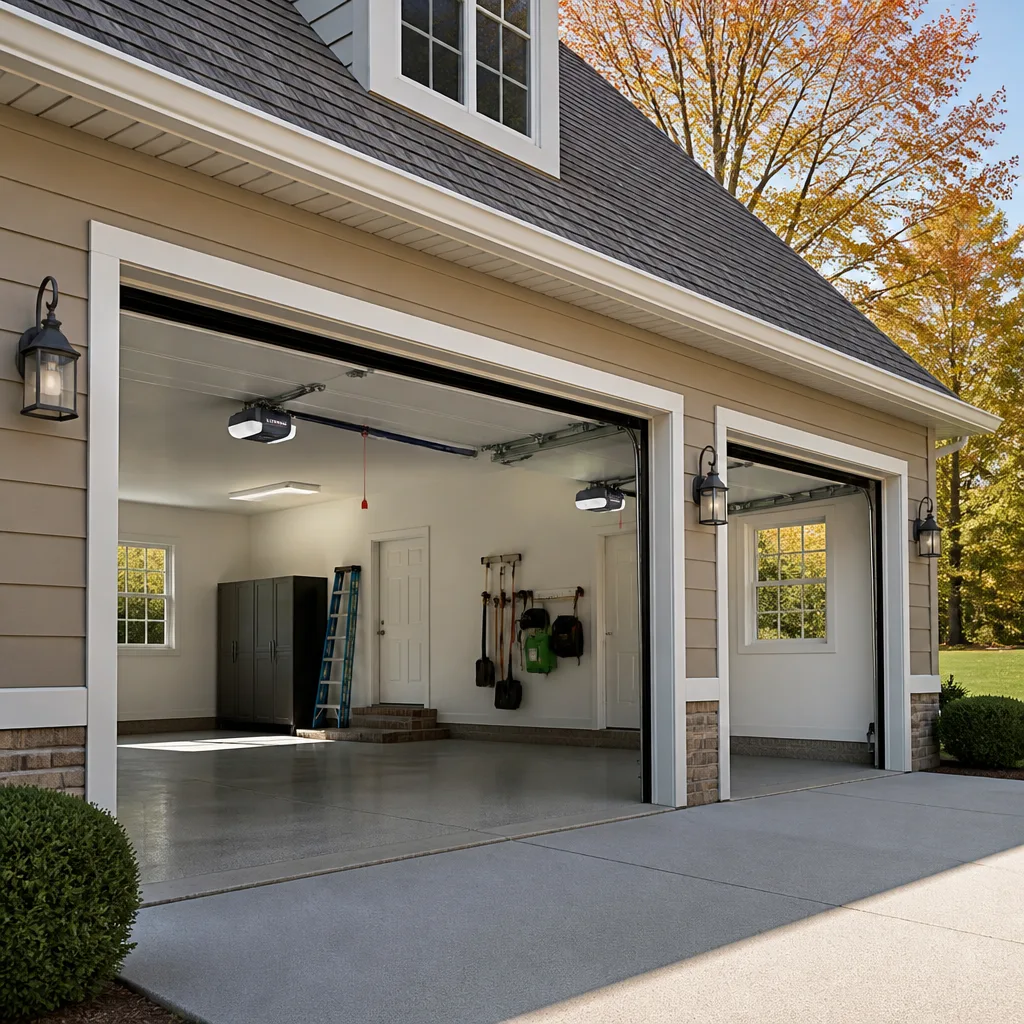 LiftMaster openers
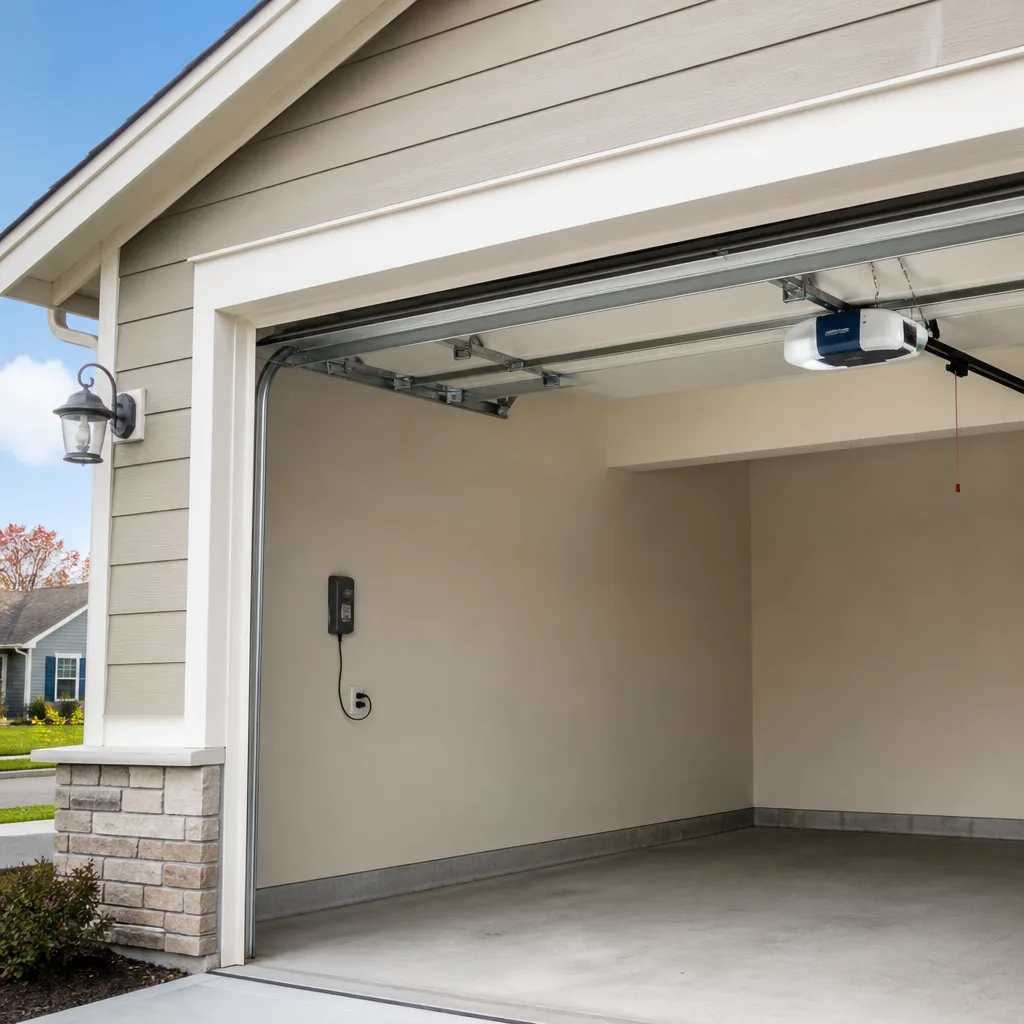 Chamberlain openers
Full 25-point door and opener safety check with every visit - springs, cables, rollers, tracks, and your LiftMaster or Chamberlain opener included
You get a price before we start. It does not change when the truck arrives.
Get your free estimateGarage Door Repair Maintenance Checklist for San Diego Homeowners
Here’s something most national maintenance guides won’t tell you: the number-one cause of premature spring failure in coastal San Diego isn’t age. It’s surface rust from marine layer condensation that homeowners mistake for normal weathering until the spring snaps, usually around 7 a.m. on a workday. This guide is built around what actually fails on garage doors in this city, month by month and season by season, so you can catch the three or four issues that cause most San Diego service calls before they turn into a $400 repair. You’ll learn exactly what to check, when to check it, and where the line sits between a safe DIY task and a job for a trained specialist.
Quick Answer
A garage door maintenance checklist for San Diego homeowners should cover three rhythms: monthly visual inspections of springs, cables, rollers, and weather seal; semi-annual lubrication of all moving parts with a lithium-based grease; and annual testing of the auto-reverse safety system and door balance. In San Diego specifically, you’ll need to inspect for marine-layer surface rust on springs from late spring through early fall, and check bottom seal integrity after every Santa Ana wind event, which sand-blasts rubber faster than normal wear.
Styles & brands we work with
Table of Contents
- Monthly Maintenance Tasks for San Diego Garage Doors
- How to Inspect Springs and Cables for Coastal Corrosion
- Lubrication Points and Products for San Diego’s Climate
- Weather Seal and Track Checks After Santa Ana Winds
- Semi-Annual Deep-Clean and Hardware Inspection
- Annual Safety System Tests and Balance Checks
- DIY vs. Professional: Where San Diego Homeowners Should Draw the Line
- Common Mistakes to Avoid
- When to Call a Professional
- Frequently Asked Questions
Monthly Maintenance Tasks for San Diego Garage Doors
A monthly inspection takes about ten minutes and catches most problems while they’re still cheap to fix. The goal is to spot changes: new rust, new noises, new resistance. Here’s the exact sequence we recommend to San Diego homeowners, ordered by failure frequency.
- Watch and listen while the door opens and closes once. Stand inside the garage and observe. Smooth travel with a consistent hum is normal. Jerky movement, a grinding sound, or a door that hesitates mid-travel signals a roller, hinge, or track problem that will get worse.
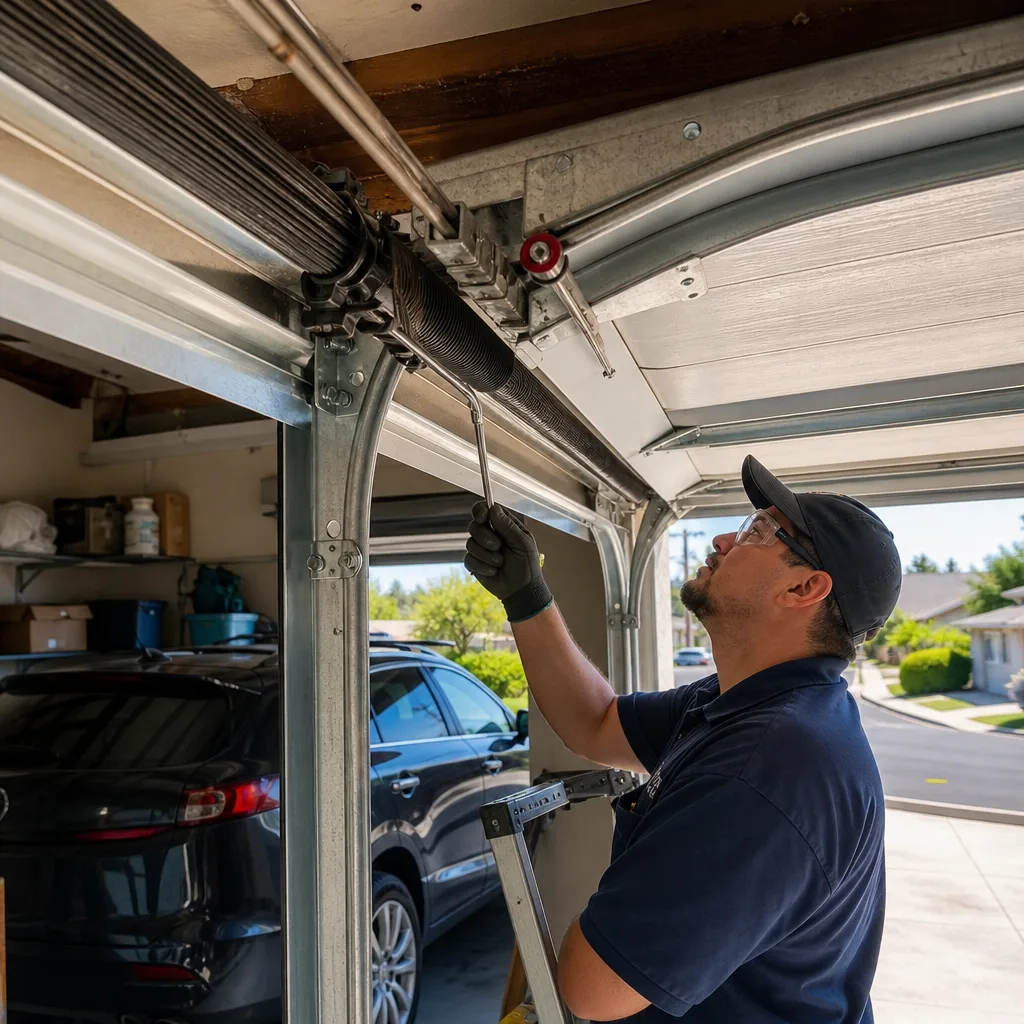
- Inspect both extension or torsion springs for rust or gaps. Look closely at the coils. Surface rust is common in San Diego’s coastal neighborhoods; a visible gap in the coil means the spring is already broken or close to it. Do not touch springs. Visual inspection only.
- Check the lift cables on both sides. They should be taut and free of frayed strands. Fraying near the bottom bracket is the earliest warning sign of cable failure, which releases stored spring tension dangerously.
- Run a hand along the bottom weather seal. Cracks, stiffness, or gaps mean moisture and pests are getting in. In San Diego, cracked seals also let warm air in during summer months, pushing cooling costs up.
- Test the auto-reverse pressure function monthly. Place a roll of paper towels under the closing door. It should reverse within a second of contact. If it doesn’t, the door needs professional adjustment immediately. This is a safety system, not a convenience feature.
We service all major brands including Chamberlain, Genie, and Clopay, and we see the same patterns repeated across every manufacturer: neglect the monthly check, and a $20 roller replacement becomes a $250 track repair. The ten minutes matter. For a deeper walkthrough of the repair issues we see most often in this city, see our guide to Garage Door Repair in San Diego.
How to Inspect Springs and Cables for Coastal Corrosion
San Diego’s marine layer is a specific maintenance enemy. From May through August, overnight condensation settles on any exposed garage door hardware, and in neighborhoods within three miles of the coast – Point Loma, Ocean Beach, Pacific Beach, La Jolla – that moisture carries salt. The result is accelerated surface rust on torsion springs and lift cables that inland cities like Escondido or El Cajon simply don’t experience at the same rate.
Here’s what to look for each month during marine layer season:
- Orange-brown dust on spring coils. This is stage one. The spring still functions, but the protective coating has been compromised. Left untreated, surface corrosion creates micro-pits in the steel that become stress points.
- Flaking or scaling on the spring surface. This signals deeper corrosion. A spring in this condition has lost a measurable percentage of its load capacity and may snap without warning, typically under maximum tension when the door is closed.
- Fuzzy or frayed cable strands near the bottom bracket or drum. Cable corrosion always shows at stress points first. One broken strand is a warning; three or more means the cable is near failure.
- White or green powdery buildup on aluminum hardware. This is galvanic corrosion, common on older doors where dissimilar metals meet. It’s cosmetic on the door panel but dangerous on cable anchors and spring brackets.
We’ve seen doors in Coronado and Mission Beach where springs failed after seven years due to salt corrosion, while the same spring in Rancho Bernardo lasted twelve or more. The inspection takes thirty seconds. What you should never do is attempt to clean, lubricate, or “treat” a rusted spring. Spring repair involves stored high-tension energy and is genuinely dangerous. Call us at (888) 783-4032 and we’ll assess it honestly – if the spring is surface-rusted only, we’ll tell you that and leave it alone.
Lubrication Points and Products for San Diego’s Climate
Lubrication is the single highest-value maintenance task you can do yourself, but only if you use the right product and hit the right points. We’ll be direct: WD-40 is a solvent, not a lubricant, and it will strip existing grease from your rollers and hinges. In San Diego’s temperature range – which rarely dips below 45°F or climbs above 95°F – a white lithium grease spray provides the right viscosity and staying power. It won’t thin out on hot Santa Ana days or gum up during damp marine layer mornings.
Lubricate these points every six months:
- Rollers: the bearing, not the wheel surface. A quick shot where the roller meets the stem. Do not grease the wheel itself; that causes slippage on the track and attracts dust.
- Hinges: all pivot points. Each door section has two or four hinges. Grease where the two halves meet, not the door face.
- Torsion spring: the full coil length. If you have a torsion spring, apply lithium grease along the entire coil, then run the door once to distribute it. This reduces friction between coils as the spring winds and unwinds, which directly extends spring life.
- Extension spring pulley bearings. If your door uses extension springs with pulleys, the pulley bearing is the most-overlooked lubrication point in San Diego garages. A seized pulley adds massive drag and wears cables prematurely.
- Track interior: light coat only. A dry track causes roller drag; an over-greased track collects sand and grime. A single light pass along each track is sufficient. If your door has nylon rollers, skip the track entirely.
- Opener rail and chain or belt. For Chamberlain and Genie openers, a lithium-based grease on the rail keeps the trolley moving quietly. Chain drive systems need chain lubrication too; belt drives do not.
For opener-specific maintenance and repair, including smart-home systems and safety-reverse sensors, see our dedicated guide on Garage Door Opener Repair in San Diego.
Weather Seal and Track Checks After Santa Ana Winds
Santa Ana winds are San Diego’s version of a maintenance trigger that no national checklist accounts for. These northeast winds, typically strongest from September through December, drive dry air and fine sand across the region. For garage doors, the damage pattern is consistent: the bottom seal gets sand-blasted along its leading edge, and tracks fill with grit that accelerates roller wear.
After any significant Santa Ana event, do these three things:
- Inspect the bottom seal from outside the closed door. Run a hand along the rubber. If it feels rough, pitted, or shows hairline cracks, sand abrasion has begun. A compromised seal lets dust, rodents, and rain water into the garage. Replacement cost is low – typically under $100 for the seal itself on a standard 16-foot door.
- Wipe down both tracks with a dry microfiber cloth. Look for a fine gray or tan powder in the track channel. If present, clean the full track length. Grit in tracks is the number-one cause of premature roller wear in San Diego’s inland neighborhoods like Santee and Lakeside, where Santa Ana winds hit harder.
- Check the door’s alignment after any wind event strong enough to shake the door in its tracks. Open the door halfway and release it. If it drifts more than a few inches in either direction, the tracks may have shifted. This is a professional adjustment, not a DIY fix.
If the seal is cracked through or the track is visibly bent, don’t force the door. Call us at (888) 783-4032 – we’ll assess whether you need a simple seal replacement or a fuller Garage Door Installation in San Diego evaluation.
Semi-Annual Deep-Clean and Hardware Inspection
Twice a year, set aside an hour for a deeper pass than the monthly check. We recommend timing it around daylight saving changes in March and November, which conveniently aligns with the end of Santa Ana season and the start of marine layer season respectively.
Your semi-annual checklist:
- Torque-check every bolt and bracket you can reach with a wrench. Vibration from daily operation loosens hardware over time. Pay special attention to the brackets holding the tracks to the wall and ceiling. Loose track bolts cause door shake, which causes roller wear, which causes noisy operation.
- Clean the photo-eye safety sensors with a dry cloth. These small lenses gather dust and spider webs. A blocked sensor is the most common reason a door refuses to close, and in San Diego’s garage-adjacent coastal humidity, lens film builds faster than you’d expect.
- Inspect all roller wheels. Nylon rollers crack with age; steel rollers develop flat spots. A cracked roller can shatter under load. If you see any damage, all rollers should be replaced as a set – replacing one at a time creates uneven wear on the new roller.
- Check the garage door spring balance. This is the critical test. Disconnect the opener by pulling the red emergency release cord, then manually lift the door to the halfway point. A properly balanced door stays put. A door that drops or rises has a spring that’s losing tension or a panel weight issue.
- Clean the door surface with mild soap and water. For Amarr and Clopay steel doors, this removes the salt film that accumulates in coastal San Diego areas and prevents paint oxidation. Rinse thoroughly and dry with a towel.
- Test the photoelectric sensors. With the door open, place a box or chair in the door’s path and press the close button. The door should stop and reverse before touching the object. If it doesn’t, the sensors are misaligned, dirty, or failed.
- Test the mechanical pressure reverse. Place a roll of paper towels beneath the door and close it. The door should reverse within two seconds of contact with the towels. If it crushes the roll or continues downward, the opener’s force settings are set too high and require immediate adjustment.
- Test the manual release. Pull the red emergency release cord with the door closed. The door should disengage from the opener and open manually with moderate effort. Re-engage by pulling the cord again and running the opener until it reconnects.
- Document the test date. Write it on a piece of masking tape on the garage wall or note it in your phone. This creates a record and reminds you when the next test is due.
- Monthly visual inspections of all hardware
- Weather seal replacement on most doors
- Lubrication of rollers, hinges, and springs (lithium grease only, never silicone spray on a torsion spring)
- Cleaning photo-eye sensors and checking sensor alignment
- Tightening visible track bolts and hinge screws
- Testing auto-reverse and balance
- Any spring repair, replacement, or tension adjustment. Torsion springs are under hundreds of pounds of rotational force. A snapped spring releases that energy instantly. Extension springs can become projectiles. We cannot emphasize this enough: do not touch springs.
- Cable replacement or re-spooling. Cables carry the same stored tension as springs. A frayed cable that lets go under load can sever fingers or cause serious lacerations.
- Track realignment or replacement. A door that comes off its tracks weighs 150 to 300 pounds. Getting it back on safely requires controlled lifting and clamping.
- Opener motor, gear, or logic board replacement. Opening the opener housing while it’s plugged in poses an electrical shock risk, and miswiring a logic board can permanently damage the unit.
- Any repair on a door that is cocked, jammed, or partially open. A door in this state has something under tension or load. Guessing at the cause is how injuries happen.
- Using WD-40 as a lubricant. It’s a solvent – it cleans but strips the grease that’s already working. Use white lithium grease on moving metal parts.
- Ignoring a noisy door. Grinding, squealing, or banging sounds are diagnostic information. A grinding noise that goes away after you lube the rollers was a warning, not an annoyance. Fix the cause before the door damages itself further.
- Replacing one roller instead of the full set. Rollers wear together. One new roller among nine worn ones will fail again quickly, and the uneven rolling surface stresses the track.
- Skipping the monthly auto-reverse test. This is a life-safety system. Ten minutes a month is the cheapest insurance you’ll ever buy for your family.
- Painting over a rusted spring. Paint hides corrosion but doesn’t stop it. You’re decorating a structural problem. If the rust is surface-level, leave it alone and keep inspecting. If it’s flaking, call a professional.
- Manually forcing a door that’s stuck. A door that won’t move has a reason. Forcing it can bend tracks, snap cables, or pull the opener off its mounts. Stop and assess, or call.
- Ignoring the weather seal because “it never rains much in San Diego.” The seal’s job isn’t just water. It blocks dust, rodents, and hot air. A $60 seal replacement pays for itself in one summer of lower cooling bills.
If you find loose hardware you can’t reach safely from a ladder, or the balance test fails, that’s the signal to bring in a specialist. The balance test failure means a spring is fatigued, and any attempt to self-adjust spring tension is dangerous.
Annual Safety System Tests and Balance Checks
Since 1993, federal law has required automatic garage door openers to include an auto-reverse mechanism that stops and reverses the door if it encounters an obstruction. This law exists because garage doors killed children before it was enacted. Every San Diego homeowner should test this system annually, and ideally monthly.
Here’s the annual test protocol:
We specialize exclusively in garage doors – it’s all we do. When a Genie or Chamberlain opener fails a safety test, our technicians diagnose whether it’s a sensor, a logic board, or a force-setting issue on the first visit. The same specialist who diagnoses the problem fixes it, without a handyman’s trial-and-error detour.
DIY vs. Professional: Where San Diego Homeowners Should Draw the Line
Some garage door maintenance is safely DIY. Some is not. Here’s the honest line, based on what actually causes injuries and property damage.
Safe to do yourself, on a ladder, with basic tools:
Requires a professional, always:
The general rule: if the part stores mechanical energy, it’s a pro job. If it’s a consumable you can see and reach, it’s probably DIY. And if you’re ever uncertain, call us at (888) 783-4032 and describe what you’re seeing. We’ll tell you honestly whether it needs a service call or a ten-minute fix you can handle yourself.
Common Mistakes to Avoid
When to Call a Professional
Call a specialist when you see any of these: a spring with a visible gap or heavy rust; frayed cables; a door that fails the balance test; a door that reversed hard enough to dent a panel or crack a sensor; or any opener problem that involves grinding gears, a smoking motor, or a door that opens halfway and stops. Eagle Garage Door Service offers free estimates in San Diego – call (888) 783-4032. We service eight major brands including Chamberlain, Genie, Clopay, and Amarr, so your system is one we know inside and out. Repair or replace – we’ll give you an honest recommendation, not the most profitable one.
Frequently Asked Questions
A basic garage door tune-up in San Diego typically runs $89 to $149 when performed as a standalone service, and includes lubrication, hardware tightening, balance testing, and safety system checks. Some companies offer lower introductory pricing during off-peak months. Eagle Garage Door Service provides free estimates by phone – call (888) 783-4032 and describe your door for an exact quote before anyone comes out.
Every six months is the baseline, but coastal San Diego homes within three miles of the ocean should lubricate quarterly. Marine layer condensation accelerates surface rust and washes away lighter lubricants faster than inland conditions. If your garage faces west toward prevailing onshore winds, lean toward the quarterly schedule.
No. Torsion springs are under 300 to 400 pounds of stored rotational force, and extension springs can launch hardware across a garage when released. This is not a skill-level question – it’s a safety question. Professional spring replacement costs less than a hospital visit.
That morning squeak is typically condensation. Overnight moisture from San Diego’s marine layer settles on roller bearings and hinge pins, and the first operation of the day squeezes out the moisture. If the squeak disappears after the door runs once or twice, it’s humidity. If it persists, the lubricant has failed and the bearings are dry.
Yes. The bottom seal blocks more than rainwater – it keeps dust, leaves, rodents, and hot air out. After Santa Ana wind events, sand abrades the rubber and creates gaps that let all four in. The seal also contributes to the door’s overall balance and energy efficiency, especially in attached garages that share a wall with living space.
A standard torsion spring rated for 10,000 cycles lasts 7 to 10 years for most San Diego homeowners, though coastal exposure can shorten that to 6 to 8 years. The cycle rating, not the calendar age, determines lifespan. A 20,000-cycle spring effectively doubles the service life, which matters if you’re considering a replacement door. Call (888) 783-4032 to discuss cycle-rated spring options.
The Bottom Line
San Diego’s garage door maintenance reality is different from the national average: marine layer rust attacks springs, Santa Ana winds shred weather seals, and coastal salt speeds up every piece of exposed hardware. The fix is a consistent rhythm – ten minutes monthly, an hour semi-annually, and a safety test annually. Most expensive repairs start as small, visible problems that compound because no one looked. If you want a baseline assessment of your door’s condition, Eagle Garage Door Service offers free estimates in San Diego – call (888) 783-4032. We’ve specialized exclusively in garage doors for years, and a quick phone call costs nothing but a few minutes. For more guides & resources, visit our blog.
Written by the team at Eagle Garage Door Service, serving San Diego since 2015. | Eagle Garage Door Service home
See the difference
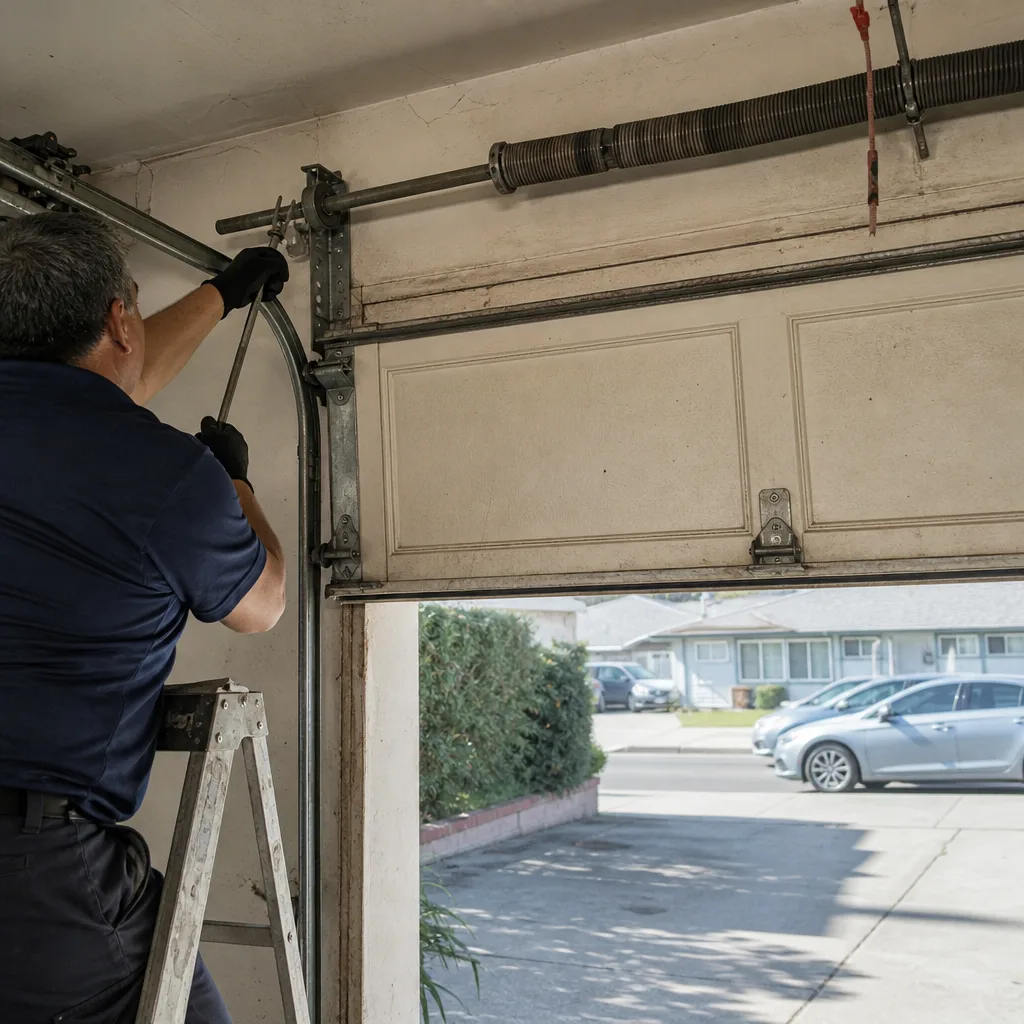 Before
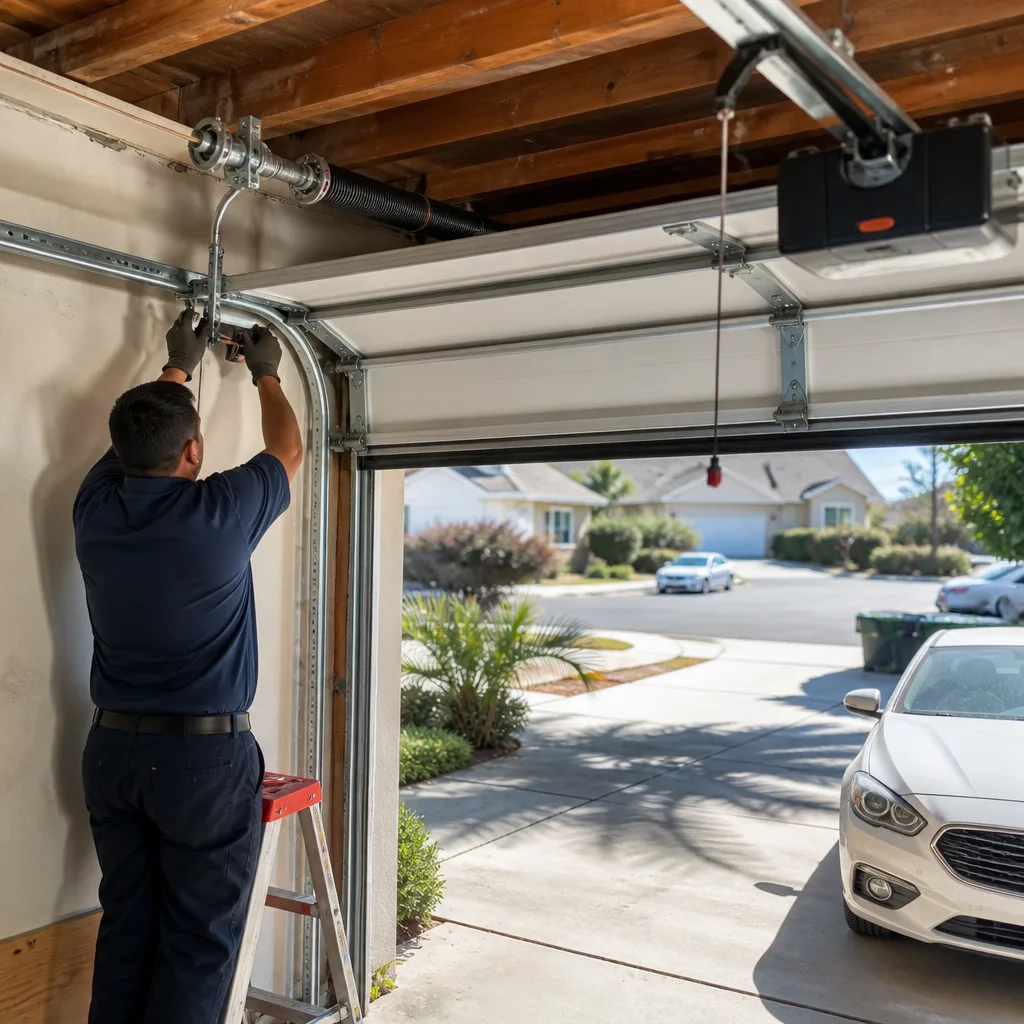 After
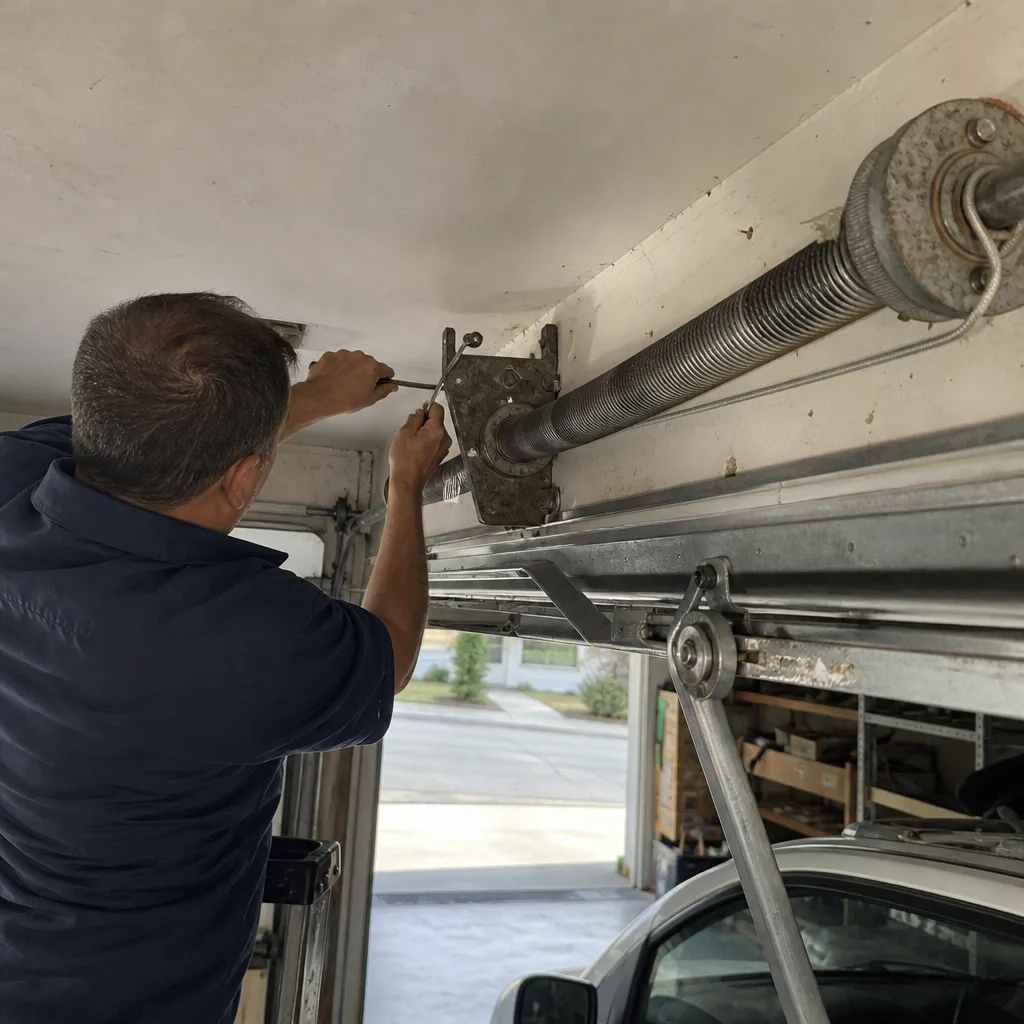 Before
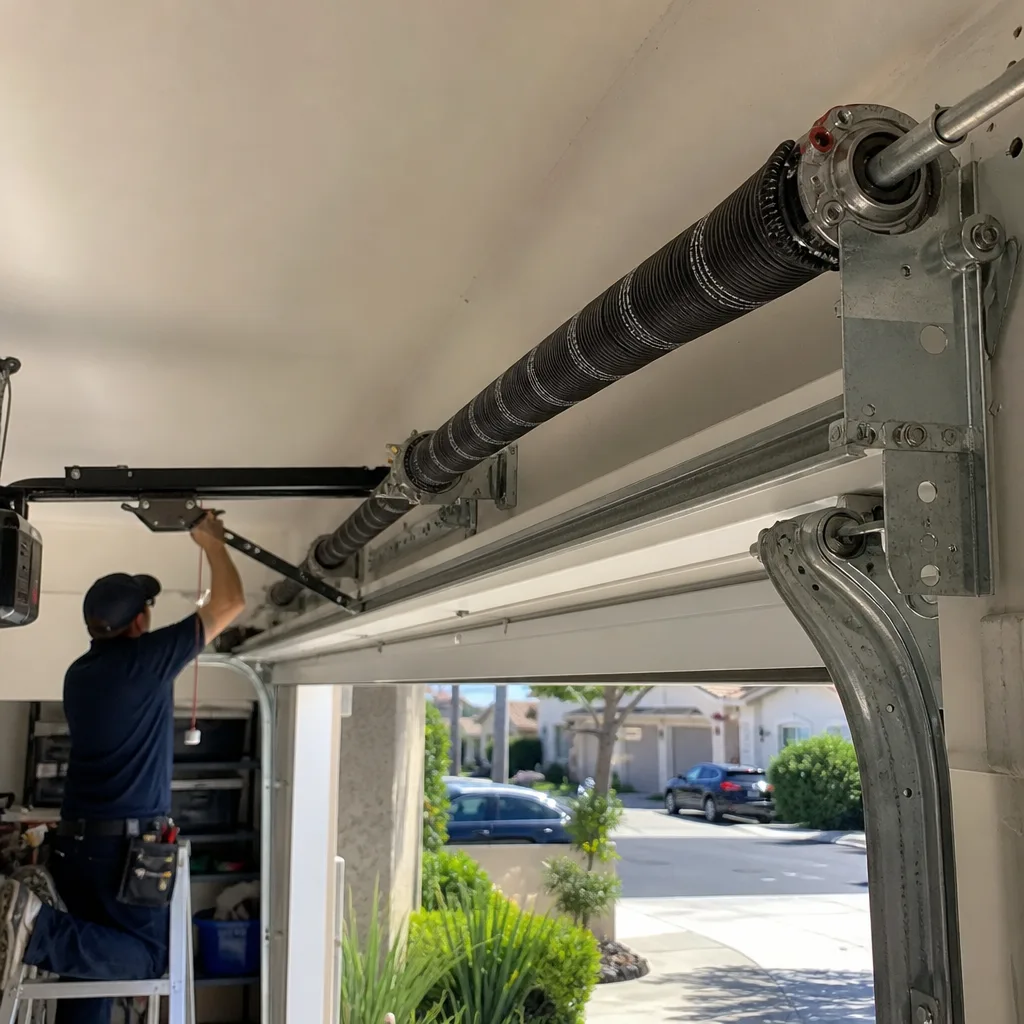 After
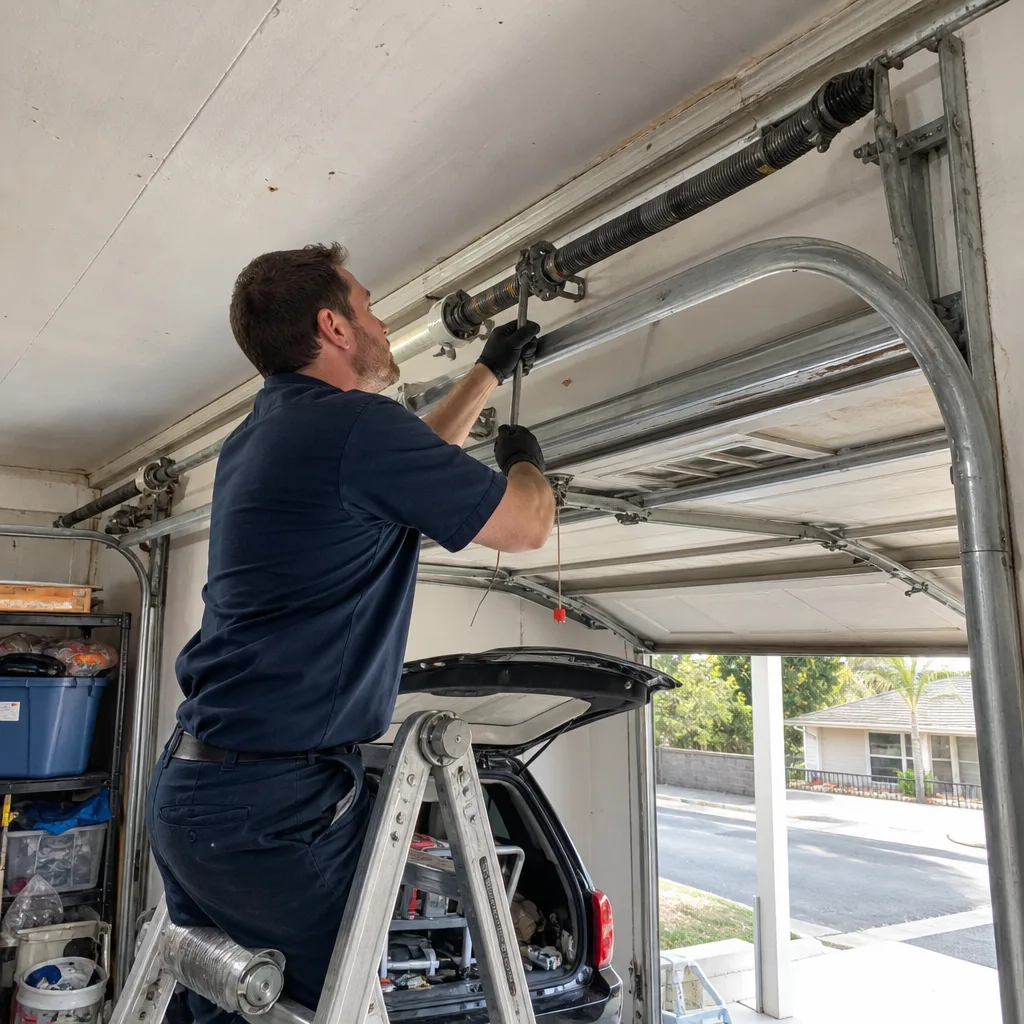 Before
 After