
Last updated October 31, 2026
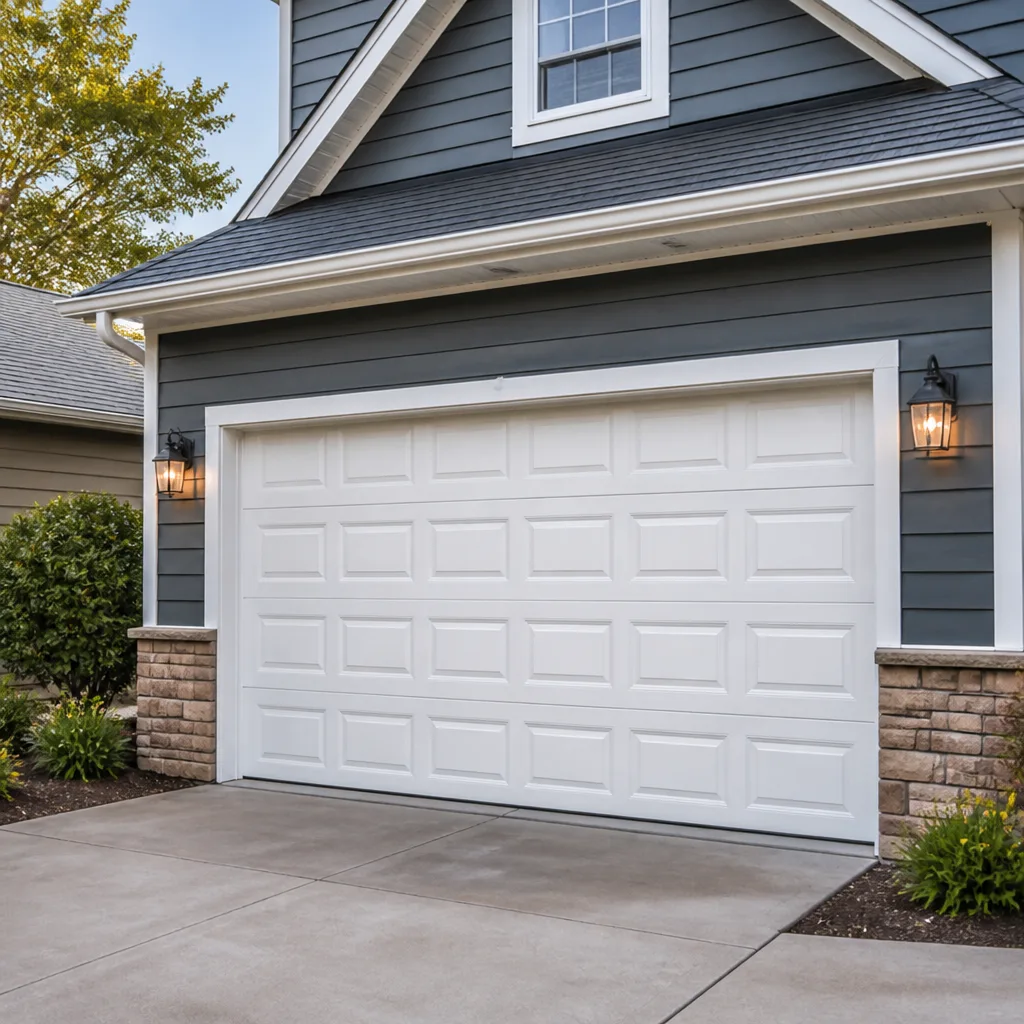 Raised-panel steel
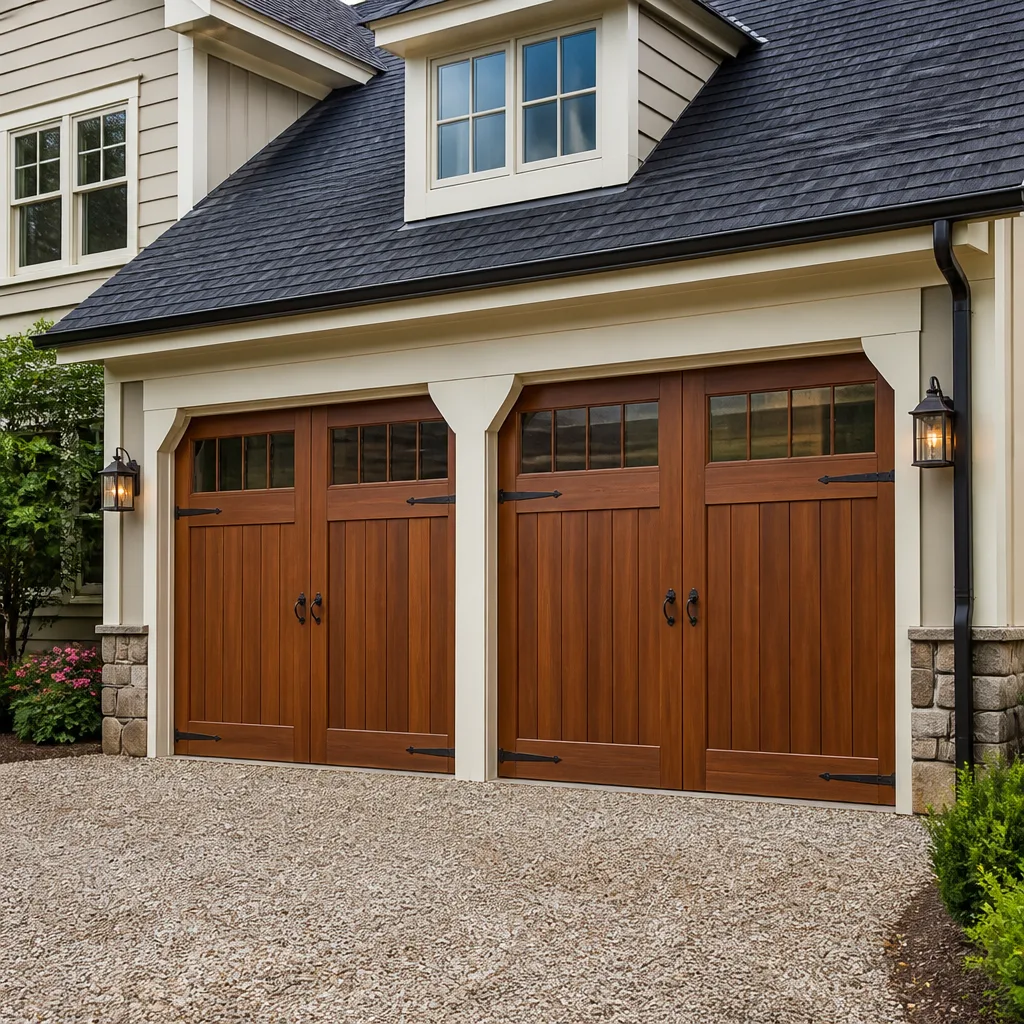 Carriage house
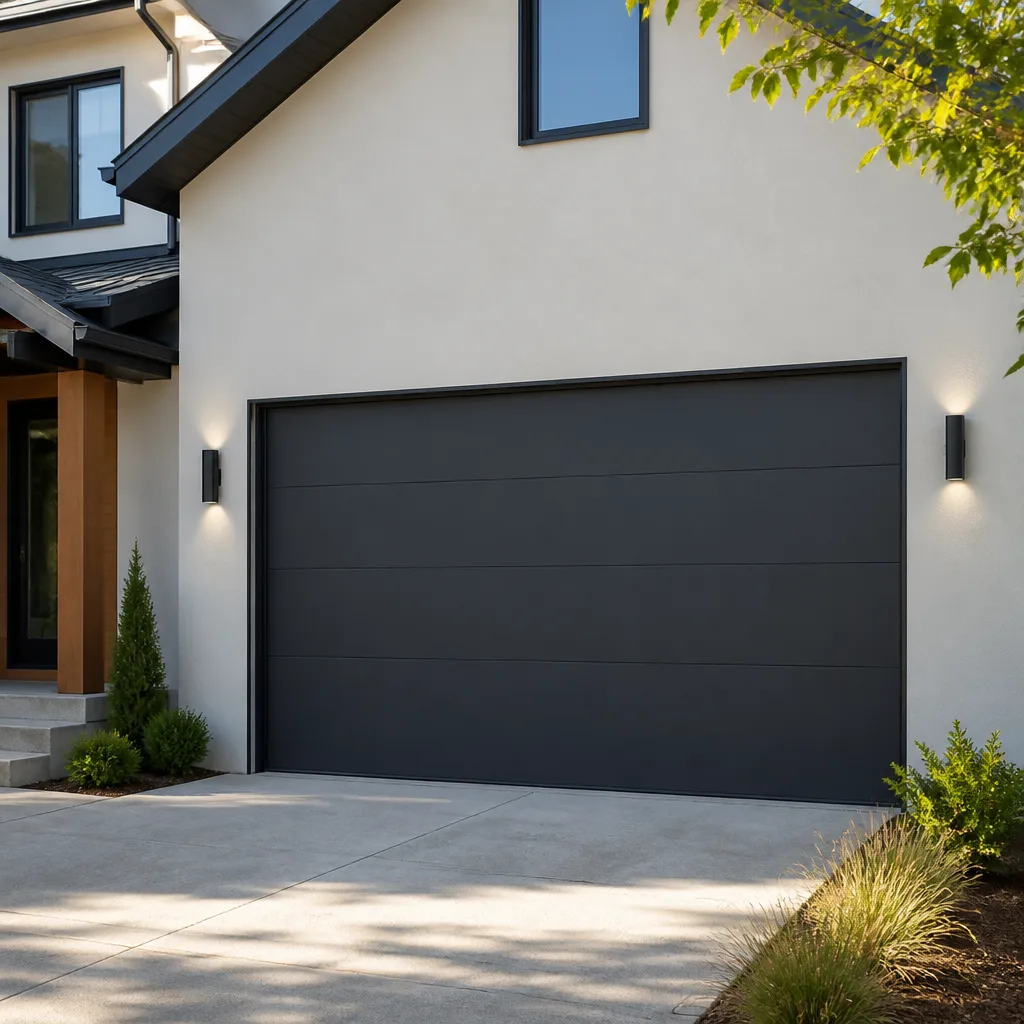 Modern flush
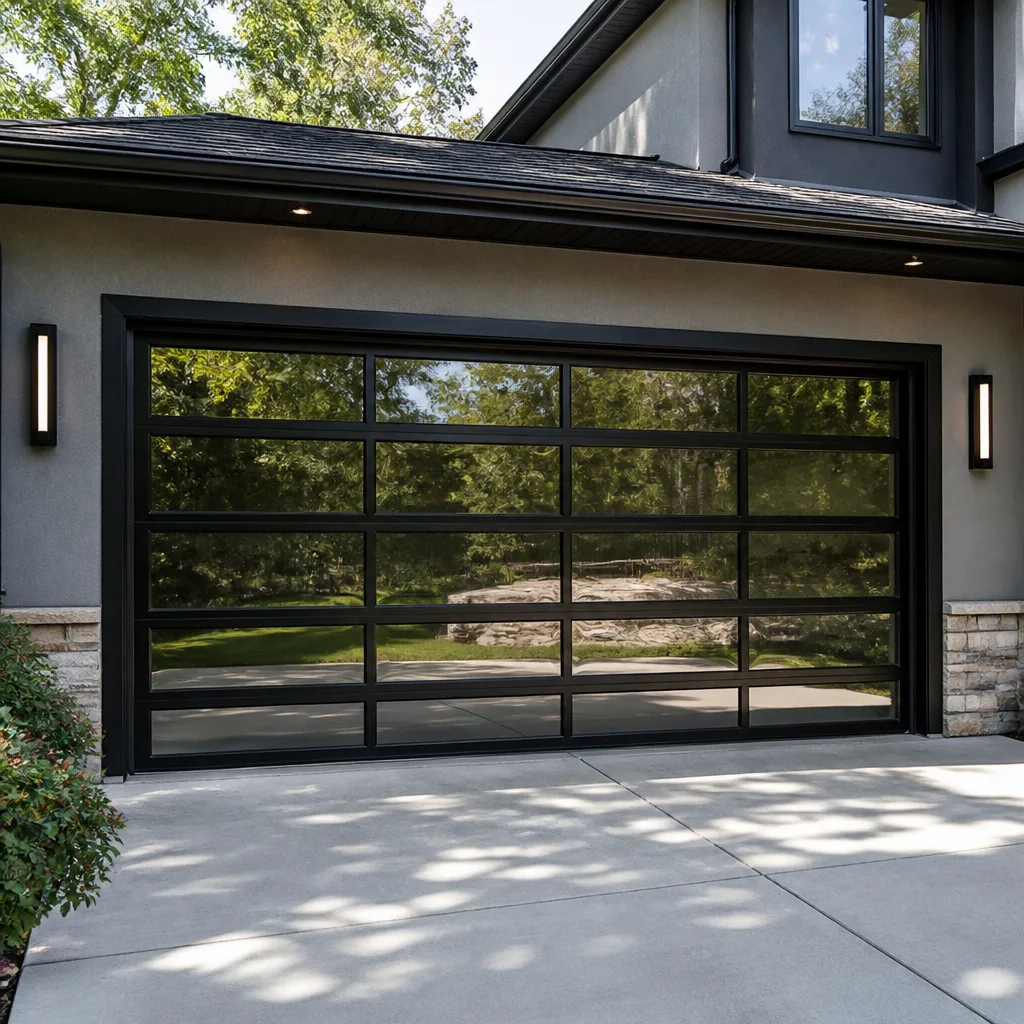 Full-view glass
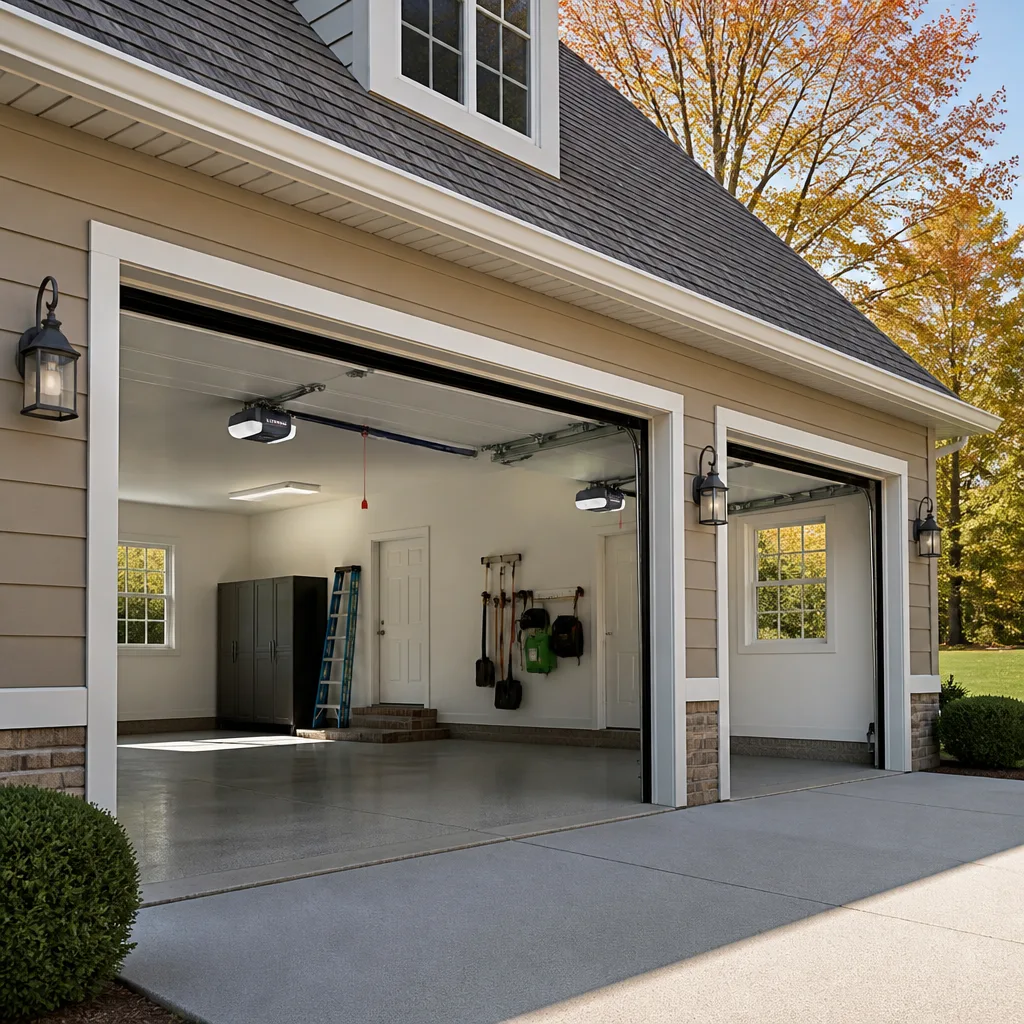 LiftMaster openers
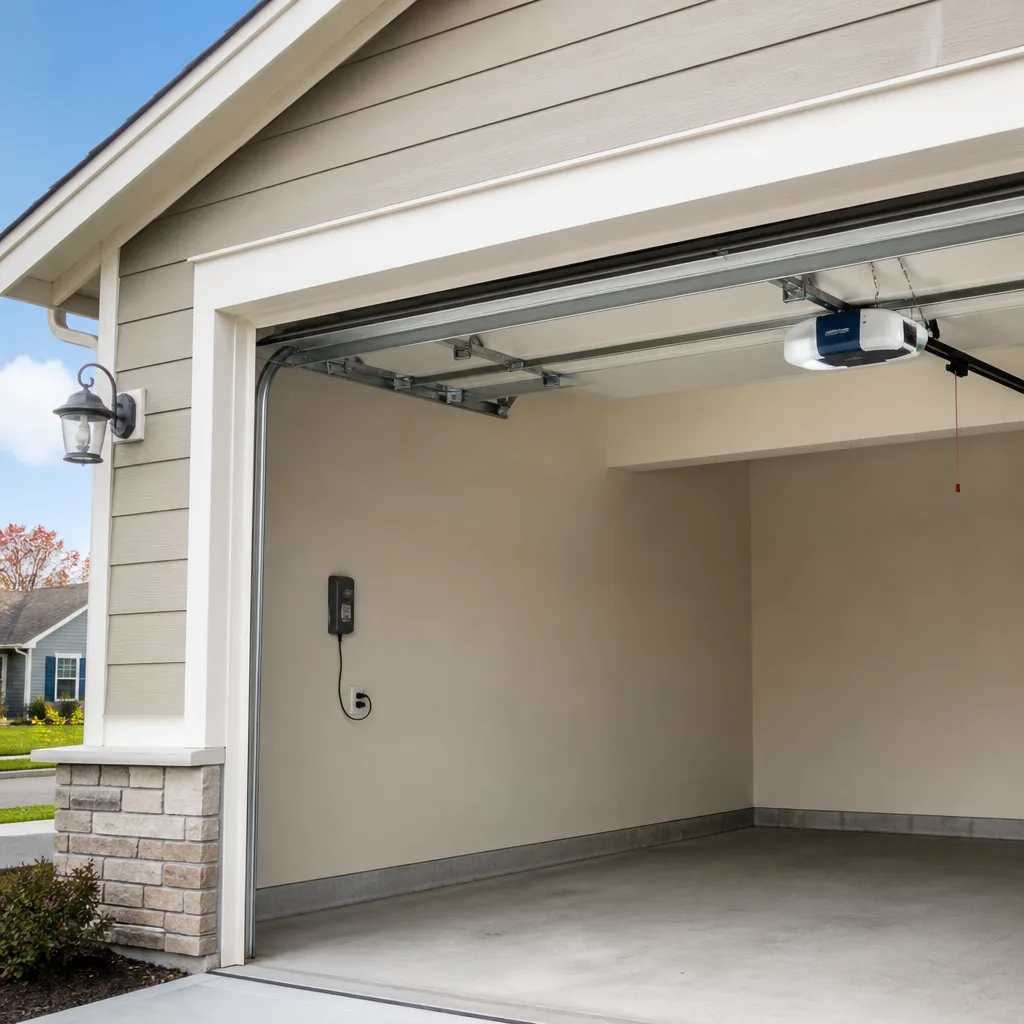 Chamberlain openers
Full 25-point door and opener safety check with every visit - springs, cables, rollers, tracks, and your LiftMaster or Chamberlain opener included
You get a price before we start. It does not change when the truck arrives.
Get your free estimateDIY vs Professional Garage Door: The San Diego Homeowner’s Decision Guide
A garage door torsion spring under full tension stores roughly the same kinetic energy as a small car rolling at 5 mph. When that spring snaps, or when a winding bar slips out of the cone, that energy releases in milliseconds. The force is enough to fracture a forearm, crush fingers, or knock a person off a ladder. This is not a liability disclaimer from a company that wants to sell you a service call. It’s the physics reality that makes the DIY-versus-professional question completely different for a garage door than it is for a leaky faucet or a sticking window. In San Diego, where garages are often the primary entrance to the home and where door systems range from 1980s Craftsman setups to modern myQ-connected LiftMaster openers, the decision depends less on your general handiness and more on which specific task you’re facing. This guide breaks down every common garage door job, and you can find more guides & resources on our blog, what it actually involves, what it costs either way, and where the line between safe DIY and genuinely dangerous territory sits.
Quick Answer
For most San Diego homeowners, the honest answer is this: routine maintenance like lubrication, sensor alignment, remote reprogramming, and bottom seal replacement is safe to do yourself with basic tools. But any job involving torsion or extension springs, lift cables, or track realignment under load should be handled by a trained garage door technician, not because you lack capability, but because the failure mode of those components is sudden, violent, and unforgiving. The cost difference between a correct professional repair and a DIY attempt that goes wrong can be hundreds or even thousands of dollars, plus a visit to urgent care or the emergency room.
Styles & brands we work with
Table of Contents
- The Real Risk Profile: Why Garage Doors Are Different
- What’s Genuinely DIY-Safe: The Full Task List
- What Requires a Trained Technician: The Non-Negotiable List
- When DIY Costs More Than a Service Call: The Real Financial Analysis
- San Diego-Specific Factors: Stucco, Salt Air, and 1990s Hardware
- How to Run a Real Cost-Benefit Calculation for Your Specific Task
- Common Mistakes to Avoid
- When to Call a Professional
- Frequently Asked Questions
The Real Risk Profile: Why Garage Doors Are Different
Most home repair tasks fail gradually and visibly. A leaky pipe drips. A loose cabinet door wobbles. A sticking window gets harder to open over months. You see the problem developing, and you have time to react. Garage door components do not work that way. A spring under tension fails instantly. A cable that frays through snaps without a final warning stretch. A track that pulls away from a San Diego stucco wall lets a 150 to 400 pound door shift suddenly. When that happens, the person standing underneath or beside the door is in the path of whatever moves.
The energy math matters here. A typical residential torsion spring system for a 16-foot door holds between 30 and 50 foot-pounds of torque per turn, wound through seven to ten full turns depending on door height and weight. That energy is always present, even when the door is closed. It does not drain out when the opener is unplugged. This is the core reason professional training exists for garage door work. The diagnostic question is rarely “how do I loosen this bolt” and almost always “how do I safely manage the stored energy in this system while I work on it.”
We have seen too many San Diego homeowners start a spring replacement by watching a YouTube tutorial, only to realize halfway through that the video’s door is a different weight, a different spring size, or a different mounting configuration than what they have in their own garage. That mismatch is where injuries happen. The spring you buy at a big-box store is not tuned to your door’s exact weight and cable drum geometry. Replacing a spring is not like swapping a car battery where the part either fits or it doesn’t. A spring that is one wire size off or wound one turn short can result in a door that slams, a door that rockets up, or a door that sits uneven and tears out its own cables within a few weeks.
San Diego’s housing stock adds another layer. Homes built across Clairemont, Mira Mesa, Rancho Peñasquitos, and Scripps Ranch from the 1970s through the 1990s commonly have either Wayne Dalton TorqueMaster systems, which hide the springs inside a tube, or Clopay doors with extension springs running along the horizontal tracks. Both of those configurations differ meaningfully from the standard torsion setup shown in most online tutorials. The TorqueMaster in particular looks deceptively simple from the outside, but the winding mechanism inside the tube requires a different tool and a different technique entirely. A homeowner who follows a standard torsion spring video on a TorqueMaster system is working on a system the video never addressed.
What’s Genuinely DIY-Safe: The Full Task List
The following tasks are safe for a careful homeowner with basic tools, no spring tension involved, and a realistic understanding of what the job requires. None of these involve winding or unwinding springs, removing cables, or working on tracks while the door is under load.
1. Lubrication
This is the highest-value DIY task on any garage door. A door that operates quietly and smoothly is a door whose components last longer. Use a lithium-based spray grease or a dedicated garage door lubricant, not WD-40, which is a solvent and water displacer rather than a lasting lubricant. Apply it to hinges, rollers, the outside of the torsion spring coils, and the opener rail. Do not lubricate the track itself. The track needs to stay dry so the rollers grip properly. Plan on doing this twice a year in San Diego. Coastal humidity in areas like Ocean Beach and Pacific Beach carries salt that accelerates rust, so quarterly lubrication is smart within a few miles of the water.
2. Photo Eye Sensor Alignment
If your door reverses immediately after touching the floor or refuses to close at all, the photo eye sensors near the bottom of the track are the first thing to check. Loosen the wing nut on the sensor bracket, adjust the sensor so the small light is steady, and retighten. Wipe the lens with a dry cloth. This job requires no special tools, no spring contact, and takes about five minutes. It fixes a surprising number of “the opener is broken” calls.
3. Remote and Keypad Reprogramming
Replacing a remote battery, reprogramming a keypad code, and pairing a new remote to a LiftMaster, Chamberlain, Genie, or Craftsman opener are all homeowner tasks. The opener’s owner’s manual has the exact button sequence. Modern myQ-compatible openers can often be managed through a smartphone app. None of this involves touching the door mechanism itself.
4. Bottom Seal Replacement
The rubber seal along the bottom of the door wears out every three to five years in San Diego, faster if the door faces direct afternoon sun in places like El Cajon or Santee where summer heat is more intense. The job involves pulling out the old seal, sliding in a new one cut to length, and pressing it into the track. The door stays in place the entire time. No spring contact, no cable work.
5. Visual Inspection
Every homeowner should know what a healthy garage door system looks like. Check the cables for fraying once a month. Look at the springs for gaps, rust, or separation. Watch the door as it opens and closes: it should move smoothly, stay level, and not shake. Listen for new grinding or popping sounds. Early detection of a failing component turns an emergency repair into a scheduled one, which is cheaper and safer for everyone.
For any of these tasks, you don’t need a technician. If you’re looking for more detail on the repair side of things, our Garage Door Repair in San Diego guide covers what common problems look like and when they shift from maintenance to repair territory.
What Requires a Trained Technician: The Non-Negotiable List
These tasks involve stored spring energy, load-bearing cables, or structural components. The failure mode for each is sudden and dangerous. This is not a list of things we want to do for you. It’s a list of things that hospital records and repair documentation show should not be attempted without proper training and tools.
Torsion Spring Replacement
Torsion springs are mounted on a shaft above the door opening and wound under high tension. Replacing one requires winding bars of a specific diameter, an accurate spring size calculation based on door weight and height, and a methodical winding process where each quarter-turn matters. A spring wound too few turns leaves the door too heavy for the opener. A spring wound too many turns can snap the shaft or launch a winding bar. This is the single most common source of serious garage door injuries, and it is the one task where the professional-versus-DIY decision should never be framed as a question of skill. Even experienced technicians treat spring work with deliberate care every single time.
Extension Spring Replacement
Extension springs run along the horizontal tracks and stretch when the door closes. They must be replaced in pairs, and a safety cable inside each spring is mandatory by code in most municipalities including San Diego. If a spring breaks without a safety cable, the broken end can whip outward with enough force to embed itself in drywall, a car door, or a person. The job requires the correct spring weight rating for your specific door. Guessing here is not acceptable.
Lift Cable Replacement
Cables are what actually lift the door. The springs do the energy storage; the cables transfer that energy to the door. When a cable frays or snaps, the door can drop on one side, which then bends the track, damages panels, and stresses the remaining cable. Cable replacement requires working around a door that is partially under load. You need to secure the door in the open position, release tension properly, install the new cable through the drum, and reset the tension. One slip in this sequence can cause the door to drop suddenly.
Track Realignment and Bracket Replacement
If a San Diego stucco anchor has pulled loose from the wall, the track is now holding the door at an angle under load. Straightening a bent track or remounting a bracket while the door is connected to the spring system is genuinely hazardous. The door needs to be secured first, and the repair often requires drilling new anchors into stucco or masonry, which means finding the stud or installing proper anchors that will not pull out again. This is a structural repair, not a tune-up.
Opener Replacement Involving Force Settings
Installing a new garage door opener and setting the force limits and travel limits incorrectly creates a door that will not reverse when it should. The safety reverse system is the component that keeps a closing door from crushing a child, a pet, or an object. Modern openers from LiftMaster and Chamberlain include auto-adjusting force settings, but they still need to be tested after installation. If you’re replacing an opener, our Garage Door Opener Repair in San Diego page explains what proper installation and calibration involves and why it matters.
We say this as a company that makes its living from garage door work: if you have any uncertainty about the task in front of you, the safe answer is to call a specialist. The parts are not worth an injury, and the hospital copay alone will exceed the service call cost. We’ve written more about this distinction in our Eagle Garage Door Service home resource section, but the short version is this: springs and cables are not DIY territory, and no amount of YouTube confidence changes that.
When DIY Costs More Than a Service Call: The Real Financial Analysis
The pricing argument for DIY usually goes like this: a spring costs $35 at Home Depot, and a technician charges $300, so DIY saves $265. That math is wrong for three reasons that almost never appear in the Facebook comment thread. For a detailed look at actual costs, see our Garage Door Cost Breakdown: The San Diego Homeowner’s Reference for 2026.
Parts Markup at Big-Box Stores
Big-box retailers sell springs, rollers, and cables at retail prices that are often 50% to 100% higher than wholesale prices available to installers. A pair of torsion springs that costs you $70 off the shelf might cost a garage door company $40 from its supplier. Beyond that, the spring you buy is likely not the right size. Torsion springs are matched to door weight, door height, drum size, and track radius. A generic spring off the shelf is often too strong or too weak. Too strong, and the door flies up and slams. Too weak, and the opener burns out its motor trying to lift the load. The cost of replacing the wrong spring with the right spring erases any perceived savings.
The Second Service Call
This is the cost nobody budgets for. A homeowner buys a spring, installs it incorrectly or with the wrong size, damages the shaft or the drums, and now calls a professional anyway. The professional now has to fix not only the original problem but also the damage from the DIY attempt. That service call is routinely more expensive than the repair would have been on day one. We have seen DIY attempts strip winding cones, bend shafts, shatter drums, and pull anchor bolts out of stucco walls. In each case, the homeowner paid for the parts they bought, paid for the damage repair, and paid for the professional service they needed in the first place. The total was consistently higher than a single professional repair would have cost.
The Warranty on Professional Work
When a professional company installs a spring, that work carries a warranty. If the spring breaks prematurely or the job fails, the company returns and corrects it. When a homeowner installs a spring and it fails, the homeowner buys another spring and does the work again. The warranty has real financial value, especially for components like springs that are expected to wear out over a predictable number of cycles. A quality torsion spring lasts 10,000 to 20,000 cycles, which translates to roughly 7 to 14 years for an average San Diego household. A spring installed incorrectly can fail in 12 months or less.
| Cost Factor | DIY | Professional |
|---|---|---|
| Parts | $35 – $140 retail, possibly wrong size | Wholesale cost, correctly matched |
| Tools | $30 – $100 for winding bars, vise grips, sockets | Included |
| Labor | Your time, 2 – 6 hours typical | 45 – 90 minutes typical |
| Risk of property damage | Real, varies by skill | Insured and warrantied |
| Risk of injury | Quantified and serious for spring work | Managed by training and process |
| Warranty | None | Parts and labor coverage |
| Second service call risk | Common | Included in warranty |
For a full replacement rather than a repair, the economics shift again. A new door installation is a measured, scheduled job, not an emergency dispatch. If you’re weighing repair against replacement, our Garage Door Installation in San Diego page covers what a new door costs, what the installation process looks like, and how to know when the math favors replacing.
San Diego-Specific Factors: Stucco, Salt Air, and 1990s Hardware
San Diego is not a generic garage door market, and several local conditions change the DIY calculus in ways a national YouTube video never mentions. Before starting any project, review our Garage Door Permits, Codes & Inspections in CA: What You Need to Know.
Stucco Anchor Points
San Diego’s housing stock is overwhelmingly stucco, especially in communities built from the 1960s through the early 2000s. Garage door tracks and spring anchor brackets are mounted into this stucco. Over time, the anchors loosen. The stucco itself can crack and crumble around the fastener. When a homeowner attempts to remount a bracket without locating the stud or installing a proper masonry anchor, the repair fails under load, often within days or weeks. The door then shifts, the cables pull unevenly, and the whole system starts wearing improperly. A technician who has worked on San Diego homes recognizes this failure pattern immediately. A first-time DIYer does not.
Salt Air and Corrosion
Within three to five miles of the coast, salt air accelerates rust on springs, hinges, tracks, and opener hardware. Communities like La Jolla, Point Loma, Imperial Beach, and Coronado see shorter component lifespans than inland areas. A spring that would last 12 years in Poway might last 8 in Point Loma. Cables rust from the inside out, meaning a cable can look intact while its internal strands have already begun to separate. A technician inspecting coastal San Diego doors knows to look for this hidden corrosion pattern. A homeowner watching a video filmed in Arizona does not.
1990s and 2000s Wayne Dalton and Clopay Hardware
Thousands of San Diego homes built in the 1990s and 2000s, particularly in master-planned communities across Carmel Valley, 4S Ranch, and Otay Ranch, were equipped with Wayne Dalton TorqueMaster and Clopay door systems. These are not the standard torsion spring setups shown in most online tutorials. The TorqueMaster conceals its springs inside a tube, requiring a proprietary winding mechanism and a different replacement procedure entirely. Clopay doors from this era often use specific hinge designs and roller profiles that are no longer available at retail. A homeowner who starts a TorqueMaster spring replacement based on a standard torsion video will quickly find themselves in deeper than any video prepared them for. We service these systems regularly and know their quirks because we see them in San Diego garages on a weekly basis.
Garage as Primary Entrance
In a large share of San Diego homes, particularly in suburban communities like Carlsbad, Encinitas, and La Mesa, the garage is the primary daily entrance. People leave through the garage in the morning and come home through it at night. A door that fails to open or close reliably is not a minor inconvenience in this context. It’s a disruption to the household’s daily rhythm. The urgency of a repair feels different when your car is stuck inside and your kids need to get to school. That urgency is exactly when a homeowner is most tempted to attempt a fast DIY fix and least equipped to do it safely. For help planning ahead, see our Garage Door Emergency Preparedness Guide for San Diego Homes.
How to Run a Real Cost-Benefit Calculation for Your Specific Task
When you’re deciding between doing it yourself and calling a professional, the decision should not be based on a vague sense of capability. It should be based on four concrete factors.
- Stored energy. Does this task involve springs, cables, or a door under load? If yes, the risk profile is not comparable to a normal home project. Do not proceed with DIY. This factor alone ends the analysis for spring and cable work.
- Parts matching. Can you source the exact correct part for your specific door? If the answer is anything less than a definitive yes with a part number you have verified, the risk of buying the wrong part is high. The second trip to the store plus the cost of the wrong part often exceeds the professional service fee.
- Failure consequences. If this repair fails, what happens? A misaligned sensor fails by not working. A torsion spring fails by releasing stored energy near your body. Assign a real cost to the worst realistic failure mode, including an urgent care visit, a damaged car, or a door that falls and causes structural damage to the garage.
- Warranty value. A professional repair carries a warranty. If the repair fails, it is corrected at no additional cost. If your DIY repair fails, everything you spent is gone and you start over. For components with predictable lifespans like springs and openers, warranty protection has measurable financial value.
Run your specific task through those four factors honestly. Lubrication: no stored energy, no parts to match, failure means a squeaky door, warranty irrelevant. Do it yourself. Spring replacement: stored energy, specific part matching required, failure means injury or property damage, warranty matters. Call a professional. The analysis is not about pride or capability. It’s about whether the risk-adjusted cost favors your time and safety or a technician’s speed and warranty.
Common Mistakes to Avoid
- Using WD-40 as a lubricant. WD-40 is a solvent and water displacer. It cleans, but it does not provide lasting lubrication. Use a lithium-based or garage door-specific spray grease. In San Diego’s salt air, proper lubrication matters more, not less.
- Buying a spring without verifying the size. A torsion spring’s wire diameter, inner diameter, and length all determine its lift capacity. A spring that is one size off will cause the door to slam or the opener to strain. We see this mistake most often on 1990s-era doors in San Diego where the original spring specifications were never documented by the homeowner.
- Removing a lift cable without securing the door first. The cable is under tension from the spring system. Removing it without securing the door in the open position causes the door to drop suddenly. This is a hospital-level mistake, not a scratch on the drywall.
- Tightening or loosening track bolts while the door is connected to the spring. Track adjustments under load can cause the track to whip or the door to jump off its rollers. The door and spring need to be managed as a single system.
- Ignoring a frayed cable because the door still works. A frayed cable fails suddenly, not gradually. In coastal San Diego communities, cables rust internally and look deceptively intact. If you see any fraying, replace the cable now, not after it snaps.
- Assuming a YouTube video applies to your specific door. A standard torsion spring video filmed on a modern Clopay door in Texas has limited application to a Wayne Dalton TorqueMaster system in a Mira Mesa garage built in 1998. Door systems vary enough that generic instructions can be actively misleading.
- Replacing only one spring when two are worn. Springs wear together. If one breaks from cycle fatigue, the other is close behind. Replacing only the broken one saves money in the short term and guarantees a second service call within months, plus potential cable and track damage from the uneven operation in between.
When to Call a Professional
Call a professional any time the task involves a spring, a cable, or track work under load. Call a professional when your door makes a loud bang and stops working, when the door is visibly crooked as it opens, when the opener’s force settings seem wrong despite your adjustments, or when you have replaced the batteries and reprogrammed the remote and the opener still will not respond. Call a professional when the door is heavy to lift manually, which indicates a spring problem rather than an opener problem. And call a professional if any do-it-yourself attempt has left the door in a worse state than when you started, which is more common after aggressive online tutorial watching than anyone wants to admit. Eagle Garage Door Service offers free estimates in San Diego, call (888) 783-4032 and a garage door specialist can assess the situation without pressure or upsell.
Frequently Asked Questions
We strongly recommend against it. Torsion and extension springs hold enough stored energy to cause serious injury, and San Diego homes commonly have Wayne Dalton TorqueMaster or Clopay systems that don’t match standard online tutorials. The wrong spring size or winding count leads to door damage, opener failure, or worse. A licensed professional with the correct spring size and proper winding tools can complete the job safely in under an hour.
Lubrication, photo eye sensor alignment, remote and keypad reprogramming, bottom seal replacement, and monthly visual inspections are all safe DIY tasks. None of these involve stored spring energy or load-bearing cables. These are the jobs where doing it yourself makes sense and saves money without adding risk.
Spring replacement in San Diego typically ranges from $180 to $340 including parts and labor, depending on door size, spring type, and whether one or both springs are replaced. Wooden doors and custom sizes run higher. The price is quoted and agreed before any work starts, so there is no surprise invoice after the fact.
Standard torsion springs are rated for 10,000 to 20,000 cycles, which works out to roughly 7 to 14 years for a typical San Diego household. Coastal homes in La Jolla, Point Loma, and Coronado often see shorter lifespans because salt air accelerates corrosion on springs and cables. If your door has been in service for a decade or more and the spring has never been replaced, you are on borrowed time.
The most common cause is a broken spring, not a broken opener. The opener’s motor runs and the gears engage, but the door is too heavy for the opener to lift without spring assistance. If the spring looks intact, check the photo eye sensors and the force settings on the opener itself. If neither resolves it, call a technician for a diagnosis. Call (888) 783-4032 for an exact quote, estimates are free.
At Eagle Garage Door Service, the quoted price is the price. The estimate is given before any work starts, and it includes parts and labor. There are no surprise charges added after the fact. If additional issues are found during the repair, they are discussed with you and priced before anything extra is done, so you always know what you’re paying and why.
The Bottom Line
The DIY-versus-professional question for garage doors is not a debate about self-reliance or a test of your mechanical aptitude. It is a specific analysis of the task in front of you. Lubrication, sensor alignment, remote reprogramming, and seal replacement are legitimate homeowner tasks with low risk and real savings. Spring replacement, cable work, track realignment under load, and opener force calibration are technician tasks with serious injury potential and clear financial arguments for professional service. San Diego’s stucco construction, coastal corrosion, and abundance of 1990s-era Wayne Dalton and Clopay hardware make generic online instructions less reliable than they appear. When in doubt, call (888) 783-4032 for a free estimate from a specialist who works on garage doors every single day.
Written by the team at Eagle Garage Door Service, serving San Diego since 2015.
See the difference
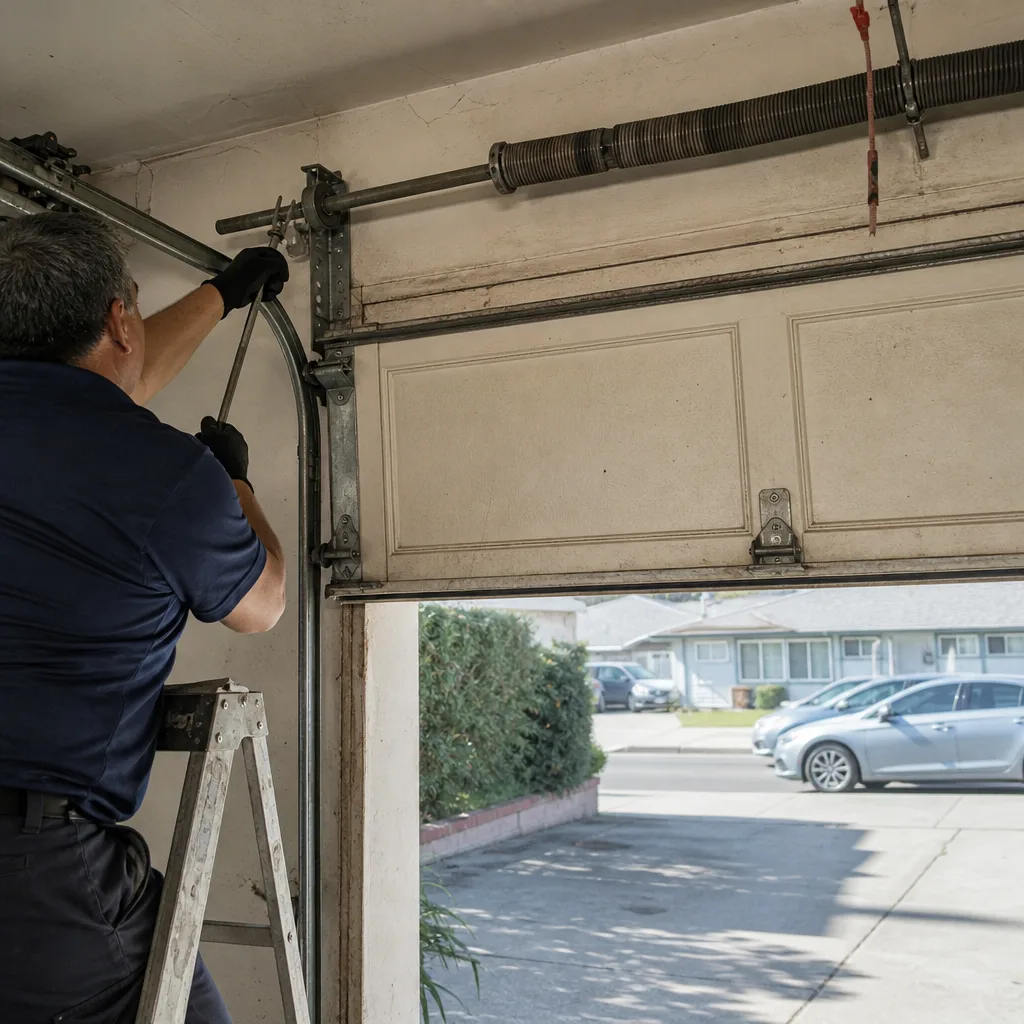 Before
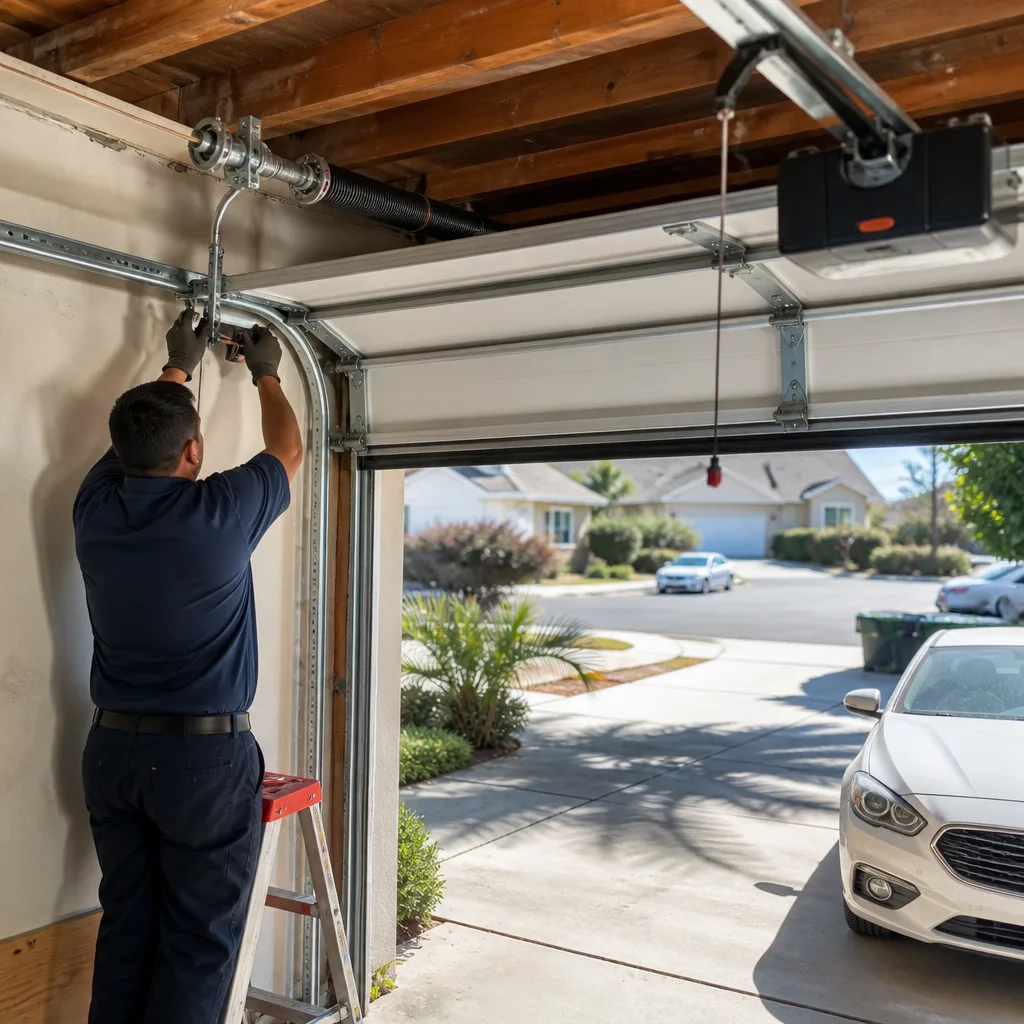 After
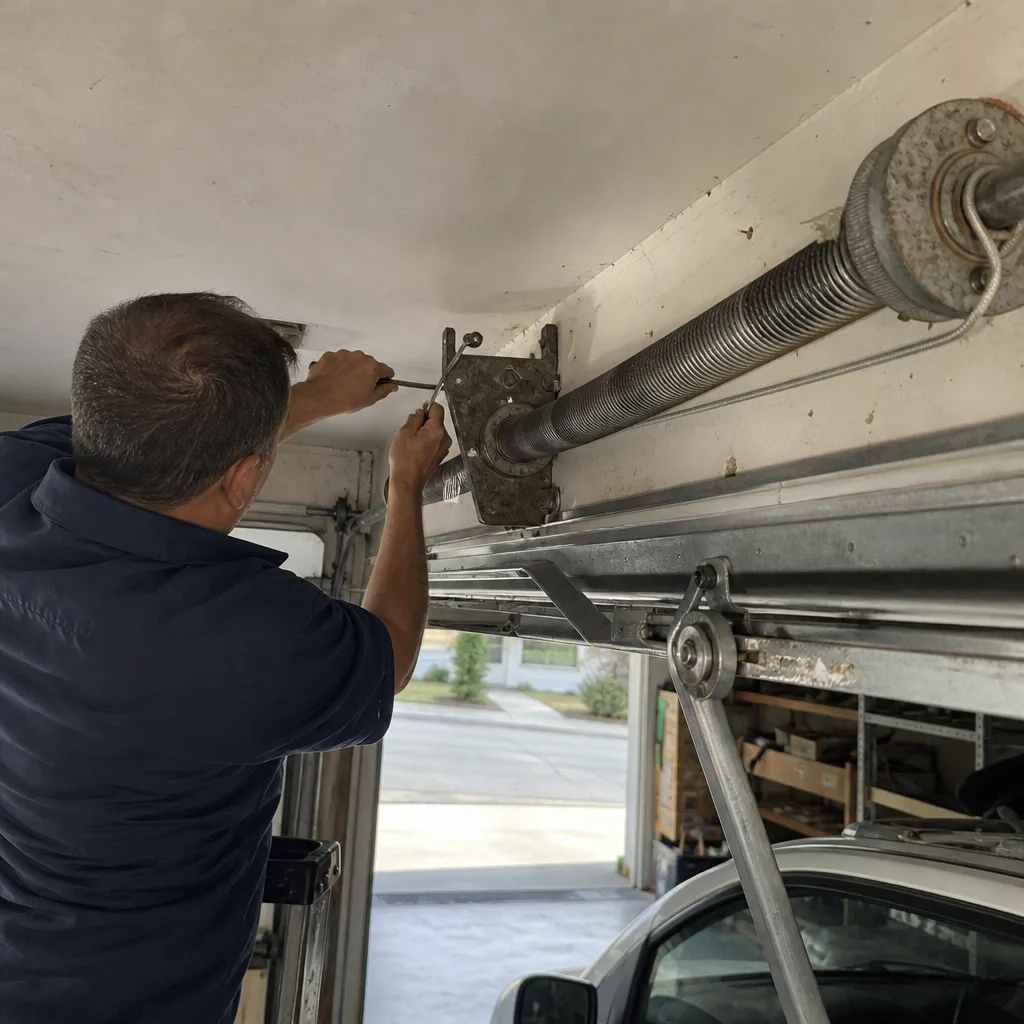 Before
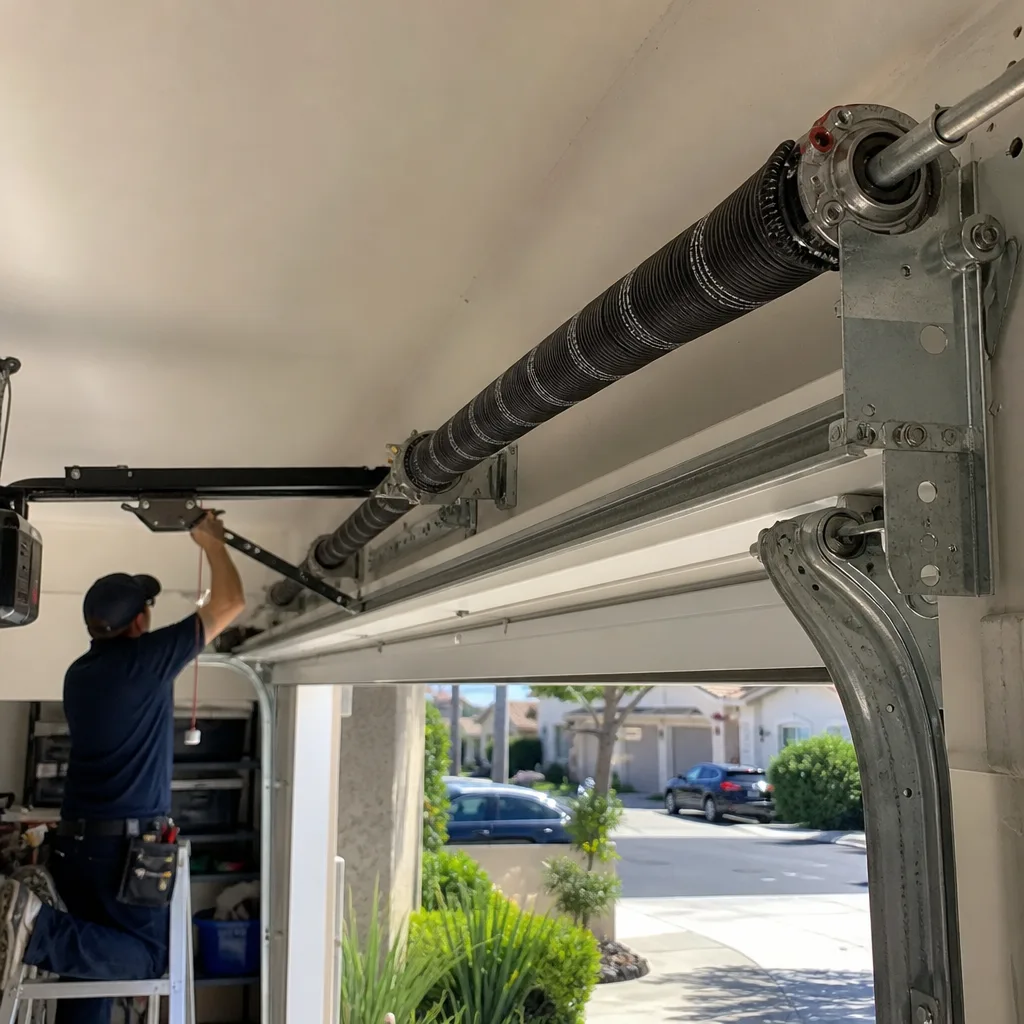 After
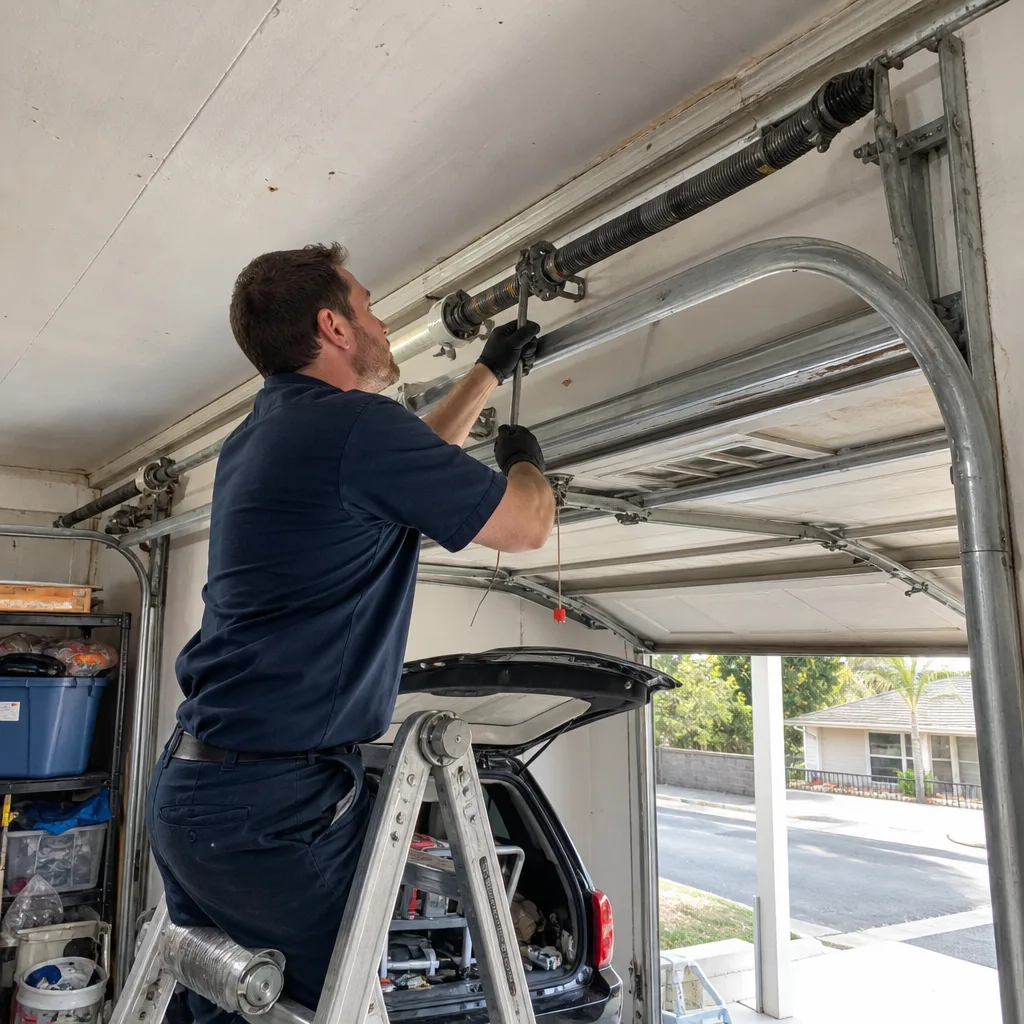 Before
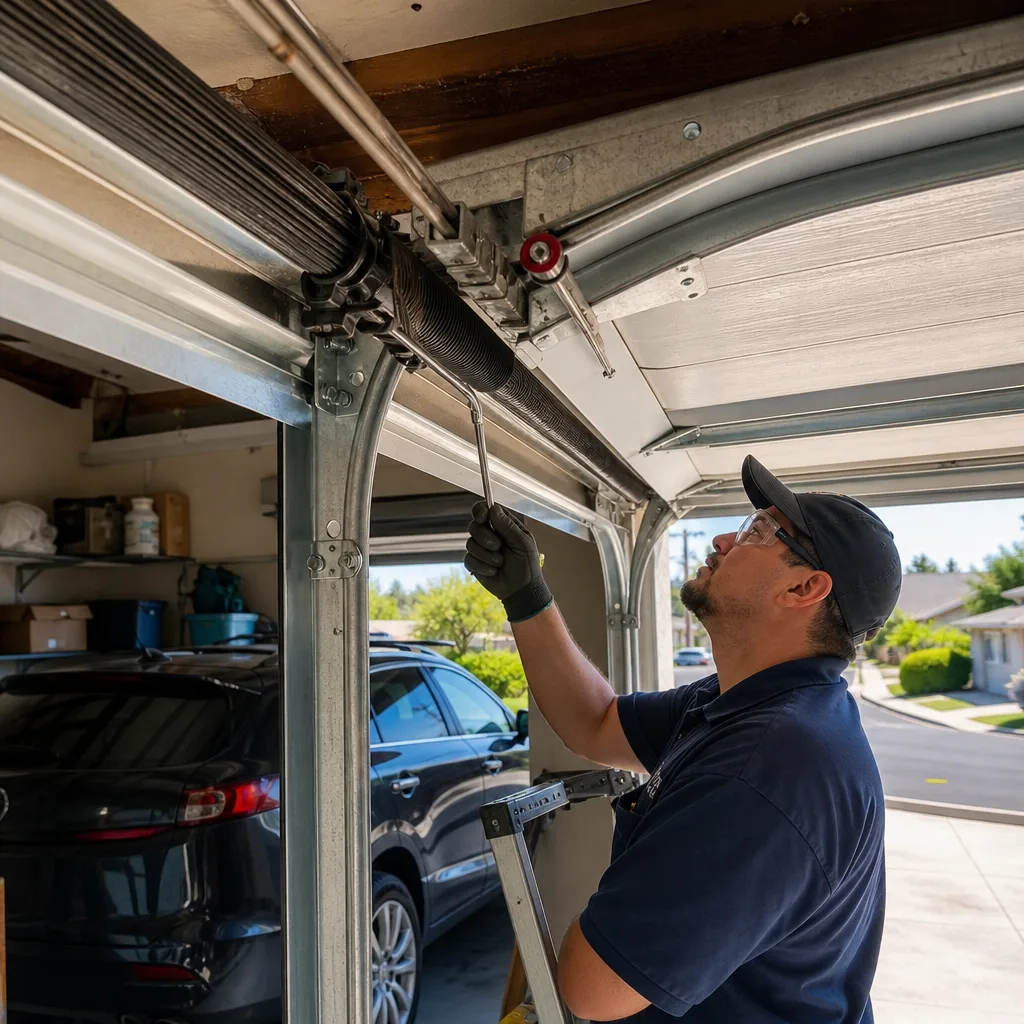 After