
Last updated October 31, 2026
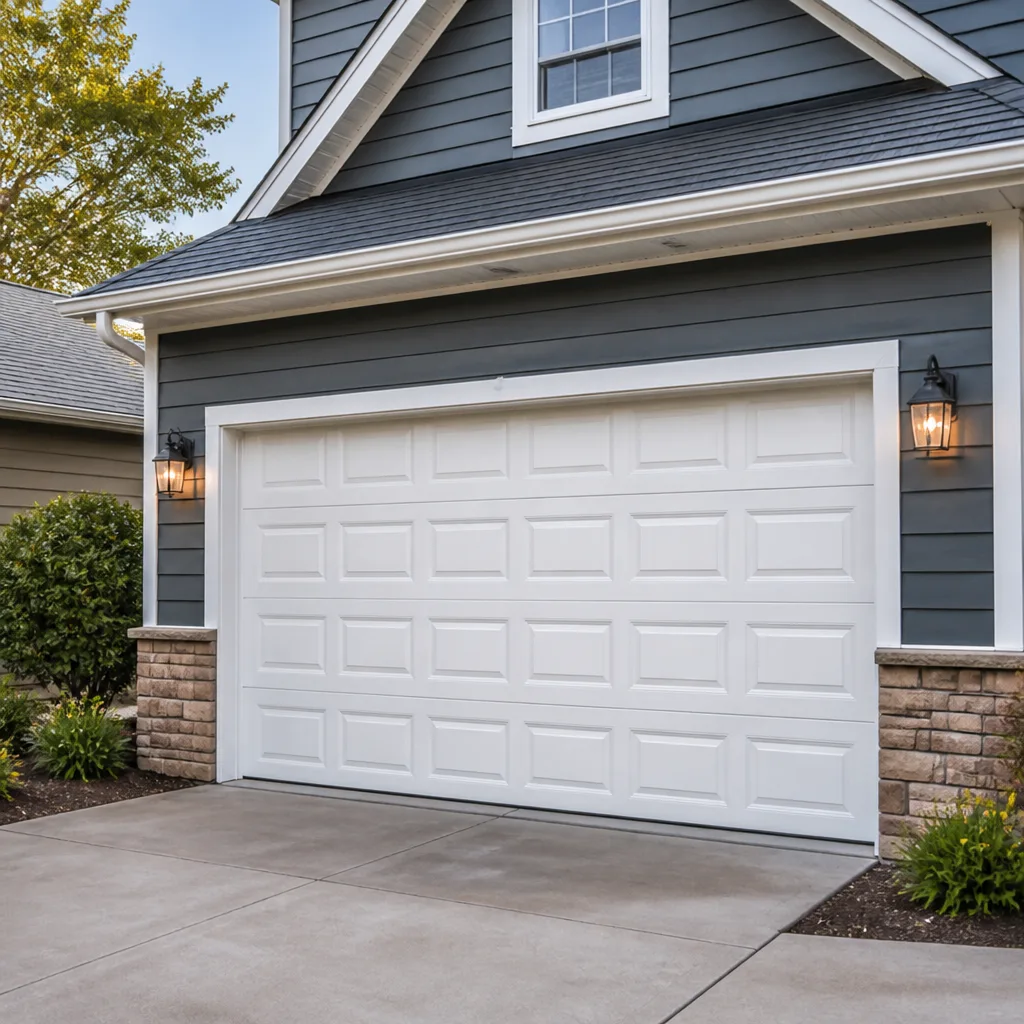 Raised-panel steel
 Carriage house
 Modern flush
 Full-view glass
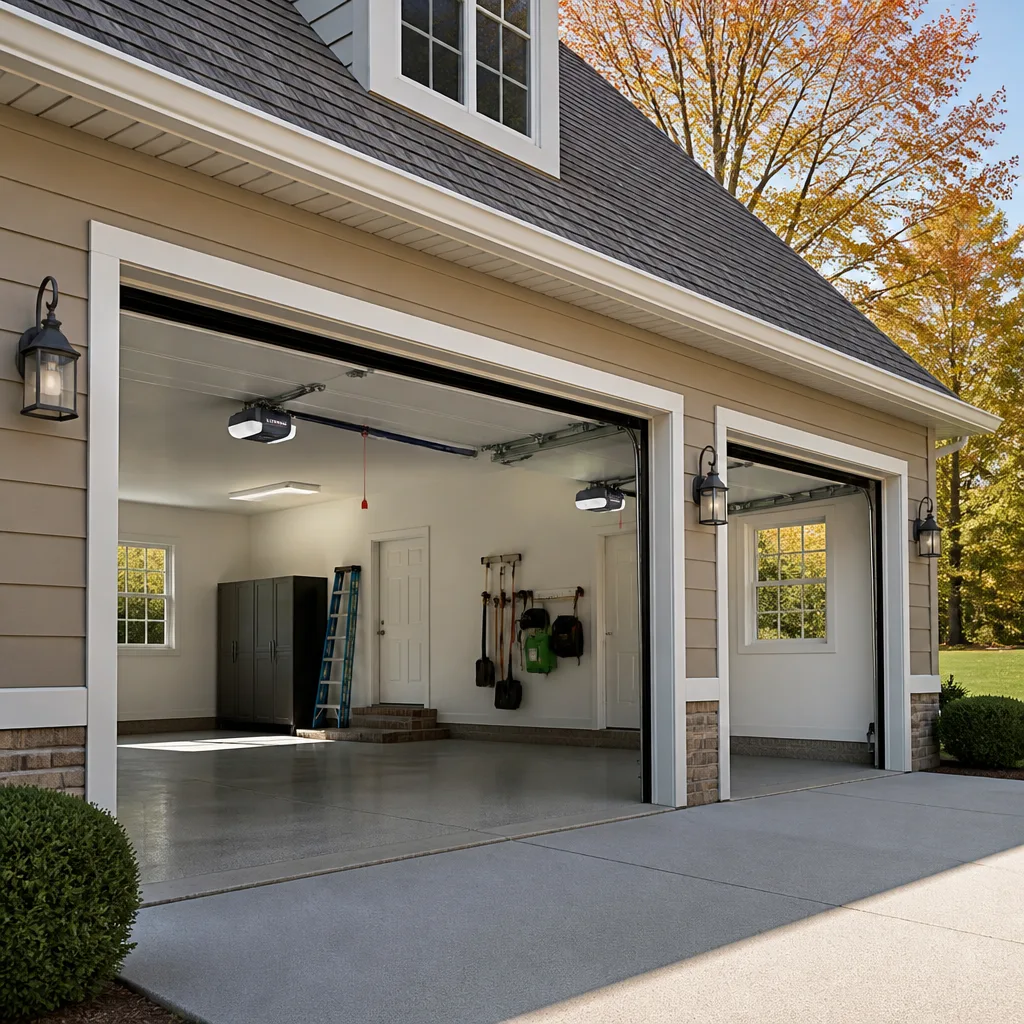 LiftMaster openers
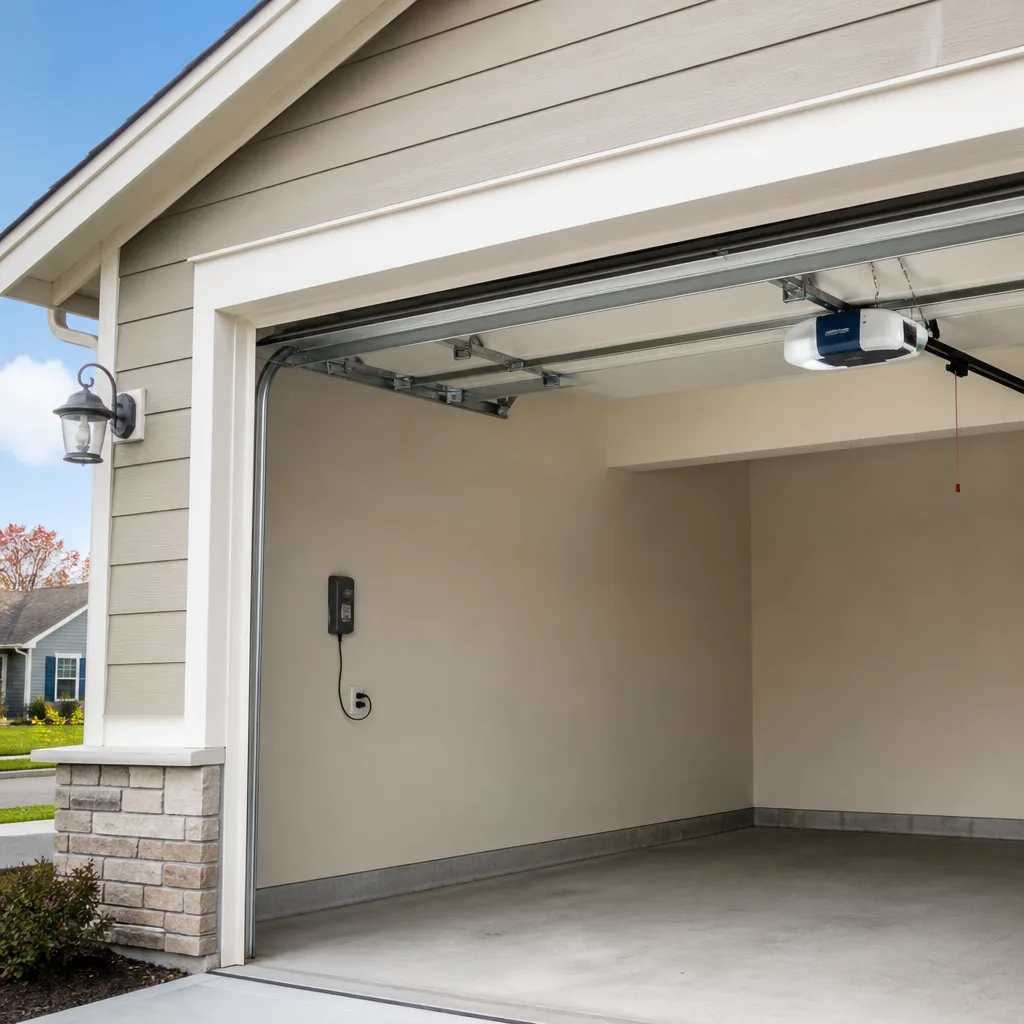 Chamberlain openers
Full 25-point door and opener safety check with every visit - springs, cables, rollers, tracks, and your LiftMaster or Chamberlain opener included
You get a price before we start. It does not change when the truck arrives.
Get your free estimateGarage Door Emergency Preparedness Guide for San Diego Homes
During the 2007 Witch Creek Fire, hundreds of San Diego homeowners discovered something terrifying: their garage door had become a locked vault. Power was out, evacuation orders were live, and people who had never touched the red emergency cord on their opener stood helpless in their own driveways while fire crews worked through smoke-darkened neighborhoods. In a region where wildfires, earthquakes, and rolling blackouts are not hypothetical scenarios but seasonal realities, your garage door is either an exit route or a barrier. This guide covers exactly what San Diego homeowners need to know before the next emergency, from manual release operation to earthquake aftermath checks, and points you to Garage Door Repair Troubleshooting: Common Problems and How to Fix Them for deeper problem-solving help.
Quick Answer
Garage door emergency preparedness in San Diego means three things: knowing how to operate your door’s manual release cord before you need it, having battery backup or a plan for power outages, and understanding what to check after an earthquake or wildfire before using the door again. Most homes have a LiftMaster, Chamberlain, or Genie opener, and each operates slightly differently in manual mode. You should practice the manual release twice a year, follow a Garage Door Repair Maintenance Checklist for San Diego Homeowners, and keep a physical emergency kit outside the garage itself.
Styles & brands we work with
Table of Contents
- How to Operate Your Manual Release Cord (and the Mistake That Locks Your Door)
- Power Outages and Your Garage Door: What Works and What Doesn’t
- Wildfire Evacuation Protocol for Garage Doors
- Earthquake Aftermath: Structural Checks Before You Operate the Door
- Battery Backup Openers: What They Actually Cover
- Building a Garage Door Emergency Kit
- Common Mistakes to Avoid
- When to Call a Professional
- Frequently Asked Questions
How to Operate Your Manual Release Cord (and the Mistake That Locks Your Door)
Every automatic garage door opener has a manual release mechanism, typically a red cord hanging from the trolley that connects the door to the opener rail. Pulling this cord disengages the door from the motorized carriage, allowing you to lift the door by hand. This is the single most important emergency skill for any San Diego homeowner, and most people have never done it.
The process varies slightly by brand, and we service all of them. Here is how it works on the three openers most common in San Diego homes:
LiftMaster and Chamberlain Manual Release
- Locate the red cord hanging from the center rail above your parked car. It has a T-shaped handle.
- Pull the cord straight down and slightly toward the garage interior. You will hear or feel a click as the trolley disengages.
- Lift the door by hand using the handle at the bottom panel. A properly balanced door should lift with roughly 10 to 15 pounds of force.
- To re-engage, pull the cord toward the opener and run the opener until the trolley clicks back onto the carriage. On newer models, the trolley re-engages automatically on the next cycle.
Genie Manual Release
- Find the red emergency cord. On Genie models, it is often located near the front of the rail, closer to the door than the motor.
- Pull the cord down firmly. Genie trolleys sometimes require a slightly sharper pull than Chamberlain models.
- Lift the door manually. Genie doors with screw-drive rails may feel heavier at first because of the drive mechanism’s friction.
- To re-engage, run the opener while pulling the cord toward the door until the carriage reconnects.
The one mistake that makes the door impossible to lift manually: pulling the cord while the door is in the open position. If the door is up and you pull the release, the full weight of the door is unsupported. It can slam down, causing serious injury or damage to the panels. In an emergency where power is out and the door is closed, the release works smoothly. But if the door was left open when the power went out, do not pull the cord. Instead, try to lower the door manually with two people before disengaging. A garage door spring is under enormous tension, and a falling door can injure or kill. If the door is stuck open and you cannot safely lower it, call a professional.
For homeowners who want a deeper understanding of how all the components work together, our Garage Door Repair in San Diego page walks through the systems we service most often.
Power Outages and Your Garage Door: What Works and What Doesn’t
San Diego’s power infrastructure faces unique strain during Santa Ana wind events, when SDG&E implements public safety power shutoffs in high-fire-risk zones. During these outages, your garage door opener will not respond to remotes, wall buttons, or smart-home apps. The door’s safety sensors and the opener’s motor both require 120-volt household current. What does work: the manual release cord, assuming you know where it is and how to use it.
Here is what we tell customers about what happens to their specific system during an outage:
- Standard AC-powered openers (most homes): Completely dead during an outage. Manual release is your only option for opening or closing the door.
- Openers with battery backup (LiftMaster 8550W, Chamberlain B970, some Genie models): Continue to operate for a limited number of cycles, usually 20 to 50 depending on the battery age and door condition. These units switch to the backup battery automatically when household power drops.
- Smart-home connectivity (myQ, etc.): Wi-Fi routers lose power during an outage, so app-based control will not work unless your router is on a home battery or generator. The backup battery on the opener only powers the motor, not your home network.
- Keypad entry systems: Most wireless keypads run on a 9-volt battery and continue to work during an outage, but only send a signal to the opener. If the opener has no power and no backup battery, the keypad is useless for automatic operation.
The most reliable plan is simple: treat every power outage as a manual-release scenario. Know where the cord is. Practice pulling it. Keep a flashlight in a known location. Do not rely on opener memory or app access when the grid is down. San Diego garage doors in older neighborhoods like Clairemont or Allied Gardens often have heavier wood doors that are harder to lift manually, so a quick practice run matters even more if you live in one of these areas.
If your opener is failing to respond even when power is restored, the issue may go beyond a simple outage. Our Garage Door Opener Repair in San Diego page covers what we check first when an opener won’t respond.
Wildfire Evacuation Protocol for Garage Doors
Wildfires are San Diego’s most urgent garage door emergency because they require fast decisions. During the 2003 Cedar Fire and the 2007 Witch Creek Fire, evacuation orders were issued with minimal warning in many east county and north county neighborhoods. Homes in Scripps Ranch, Rancho Bernardo, Poway, and Ramona faced exactly the scenario we described at the top of this guide: no power, smoke approaching, and a garage door that would not open because nobody had pulled the manual release.
Before You Lose Power: What to Do When Evacuation Is Imminent
- Open the garage door first. If you still have power, use the opener to open the door fully. Then unplug the opener or switch off the breaker to the garage if you plan to leave the door open. This prevents the door from closing on its own via a malfunction.
- If you need to leave the door closed and evacuate: Pull the manual release cord NOW, while you can still see what you are doing, then lift the door manually to confirm it moves freely. Lower it again and leave it in manual mode.
- Disconnect the opener from power. Locate the opener’s power cord, usually plugged into a ceiling outlet, and unplug it. This prevents the opener from attempting to move the door during a power surge or partial restoration, which can damage both the door and the opener.
- Close the interior door between the garage and the house. This slows smoke intrusion if the garage door has gaps or the fire moves closer.
What If Power Is Already Out When You Need to Leave?
If the door is closed and you have a standard opener, you will need to release it manually from inside the garage. This is why we tell San Diego homeowners to keep a step ladder in the garage if the release cord is too high to reach from the floor. A 6-foot A-frame ladder stored against a side wall costs less than $60 and saves critical minutes. Pull the cord, lift the door, and secure it in the open position with a clamp or a pair of locking pliers on the track so it cannot roll back down.
Homes in wildfire-prone areas of San Diego County should consider a battery backup opener as non-optional equipment. The cost of adding one is trivial compared to the cost of being trapped during an evacuation. For homes already considering a full opener replacement, the Garage Door Installation in San Diego page explains the options we present to homeowners, including backup-ready models.
Earthquake Aftermath: Structural Checks Before You Operate the Door
San Diego sits closer to active fault lines than most residents realize. The Rose Canyon Fault runs directly through the city, passing near downtown, Mission Bay, and La Jolla. A major rupture would cause significant ground shaking, and garage doors are among the most vulnerable structural elements in a home because their tracks, rollers, and springs rely on precise alignment.
After any significant shaking, perform these checks in order before touching the opener button or pulling the manual release:
Step 1: Visual Inspection From a Safe Distance
Stand 6 to 8 feet away from the closed door and look at the track system. The vertical tracks on each side should be perfectly parallel to the door edge. The horizontal tracks should be level and straight. If either track has a visible bend, kink, or gap between sections, do not operate the door by any method.
Step 2: Check the Rollers and Brackets
Look at each roller where it sits inside the track. After an earthquake, rollers can pop out of the track, brackets can pull away from the wall, or the track itself can separate from its mounting hardware. Any of these conditions means the door is no longer guided properly. Operating it risks pulling an entire section of track off the wall.
Step 3: Check the Spring System
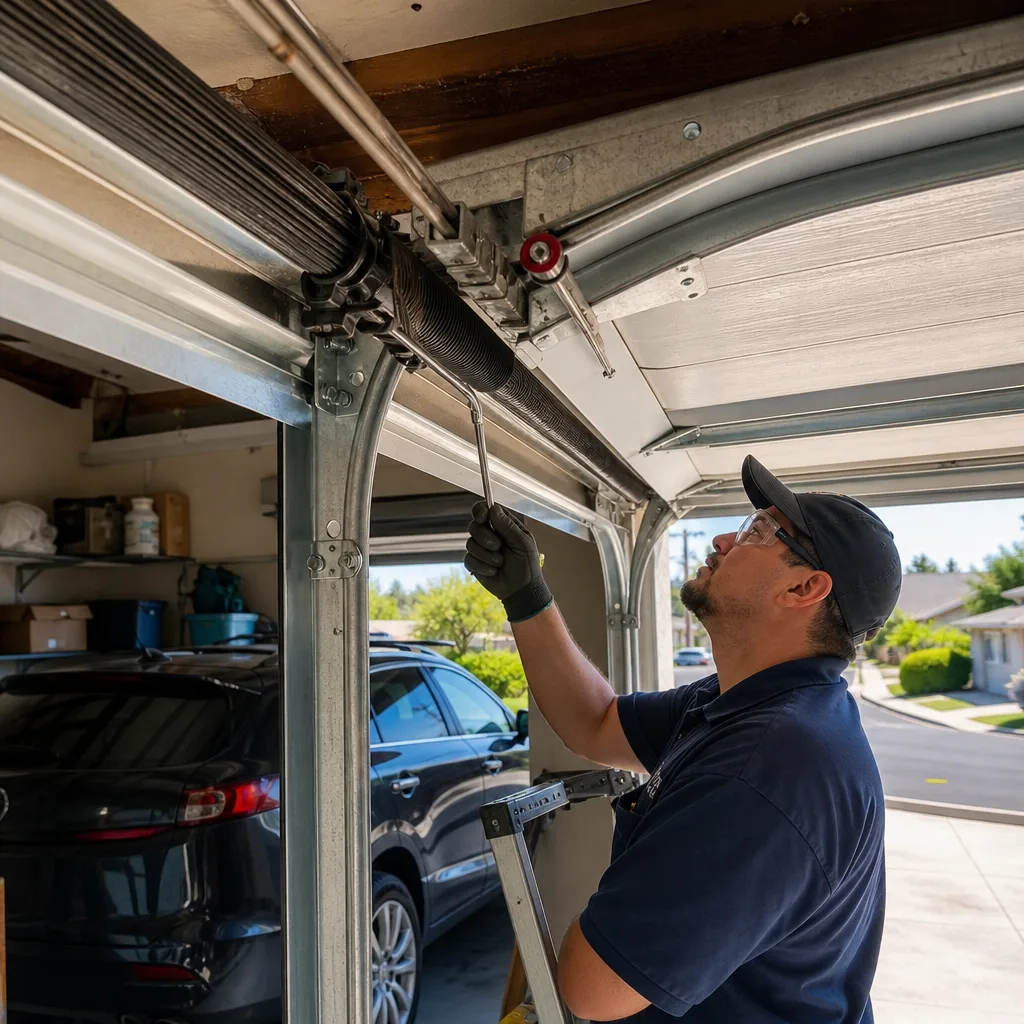
For doors with torsion springs (a coiled spring mounted on a metal shaft above the door), look for gaps in the coil, visible cracks, or a spring that appears stretched. For extension springs (longer springs running parallel to the horizontal track), check that both springs are still connected at both ends. A broken or disconnected spring means the door’s full weight is uncontrolled, and manually lifting it can be extremely dangerous.
Step 4: Listen Before You Move
If the visual inspection looks clean, pull the manual release cord and try to lift the door 2 to 3 inches. If you hear grinding, scraping, or any sound that is not the normal smooth roll of bearings, stop immediately. Set the door back down and call a professional. Forcing a misaligned door causes secondary damage: bent tracks, shattered rollers, and stress fractures in the door panels themselves.
We have seen earthquake damage in San Diego homes that looked minor from the outside, but the track had shifted by less than an inch, enough to make the door bind on its next cycle. In our experience, track deformation is the most common post-earthquake issue, and it often compounds when the homeowner keeps pressing the opener button hoping the door will free itself.
Battery Backup Openers: What They Actually Cover
A battery backup garage door opener is one of the most practical purchases a San Diego homeowner can make, especially in areas with frequent public safety power shutoffs. But the marketing around these units often overstates what the battery actually does.
What Battery Backup Covers
- Opening and closing the door during a power outage: The backup battery powers the opener motor for a limited number of cycles. LiftMaster and Chamberlain units with integrated backup batteries typically provide 20 to 50 cycles depending on door size, door balance, and battery age. Genie’s Aladdin Connect backup systems provide similar performance.
- Automatic switchover: When household power drops, the opener automatically switches to battery power. You do not need to flip a switch or reconfigure anything.
- Safety sensor operation: The photo-eye sensors on each side of the door continue to function on battery power, so the door will still reverse if something blocks the beam.
What Battery Backup Does NOT Cover
- Smart-home app access: If your home Wi-Fi router is down, which it will be during an outage unless you have a separate battery or generator for your network equipment, the myQ app will not connect to the opener.
- Wall button and remote operation beyond battery capacity: The battery drains with each cycle. Once depleted, the opener reverts to manual operation only.
- Extended outages: A battery that provides 25 cycles sounds generous, but those cycles disappear quickly if family members open and close the door multiple times. In a multiday outage, plan for manual operation after the first day.
Which San Diego Households Need Battery Backup Most
- Hillside homes with single garage access: Homes in areas like Mt. Helix, La Mesa hills, or the canyons of Point Loma often have garages that open directly onto steep driveways. If the garage is the only vehicle access point and a power outage strikes, a battery backup could be the difference between leaving and waiting.
- Attached garages as primary entry point: Many San Diego homeowners enter and exit through the garage more than the front door. If this describes your household, a battery backup means you are not fumbling for the manual release every time the power blinks.
- Homeowners with mobility limitations: Manually lifting a double garage door requires gripping the bottom handle and lifting up to 150 pounds of unbalanced weight. For someone with shoulder, back, or grip limitations, battery backup removes that physical barrier.
If your current opener is a LiftMaster or Chamberlain, adding a compatible backup battery may be as simple as installing a replacement battery module. For older Craftsman units or budget Genie models, a full opener upgrade is usually the more cost-effective path. We service all of these brands, so if you are unsure what your opener supports, a quick inspection will tell us. For a full walkthrough of what goes into a replacement, see our Garage Door Installation in San Diego guide.
Building a Garage Door Emergency Kit
Every home should have a garage door emergency kit accessible from outside the garage itself. If the power is out and the manual release fails, or if the door is twisted in its track after an earthquake, the items in this kit buy you time and options.
The three physical items:
- A 6-foot A-frame step ladder: Stored against the side wall of the garage, visible and unobstructed. This gives you safe access to the release cord if it hangs too high, and to the opener’s power cord for disconnection.
- Locking pliers or a C-clamp: Used to secure the door in the open position after manual release, preventing it from rolling closed. In a wildfire evacuation, the last thing you need is a door that slides back down behind you.
- A bright LED headlamp or flashlight: Stored in the same location, not in a drawer somewhere in the house. During a nighttime power outage, you need both hands free to operate the door.
The one document:
A single laminated card, taped to the inside of the cabinet or wall near the release cord, with these four lines written on it:
- The exact location of your manual release cord
- The brand of your opener (LiftMaster, Chamberlain, Genie, etc.)
- The phone number for Eagle Garage Door Service home garage door repair: (888) 783-4032
- A small diagram showing which direction to pull the cord
In a genuine emergency, adrenaline makes simple tasks difficult. A written reference eliminates guesswork. It also helps if a neighbor or family member needs to operate your door while you are not home.
See the difference
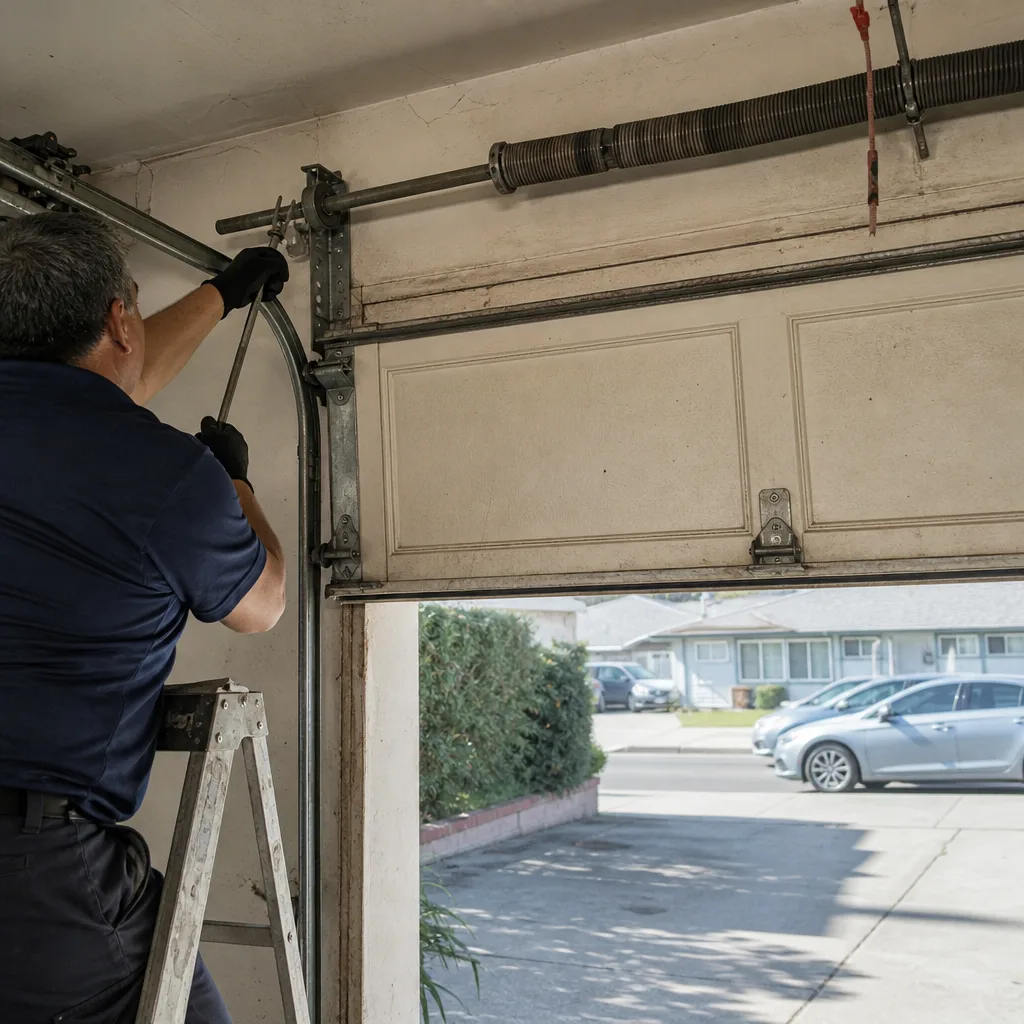 Before
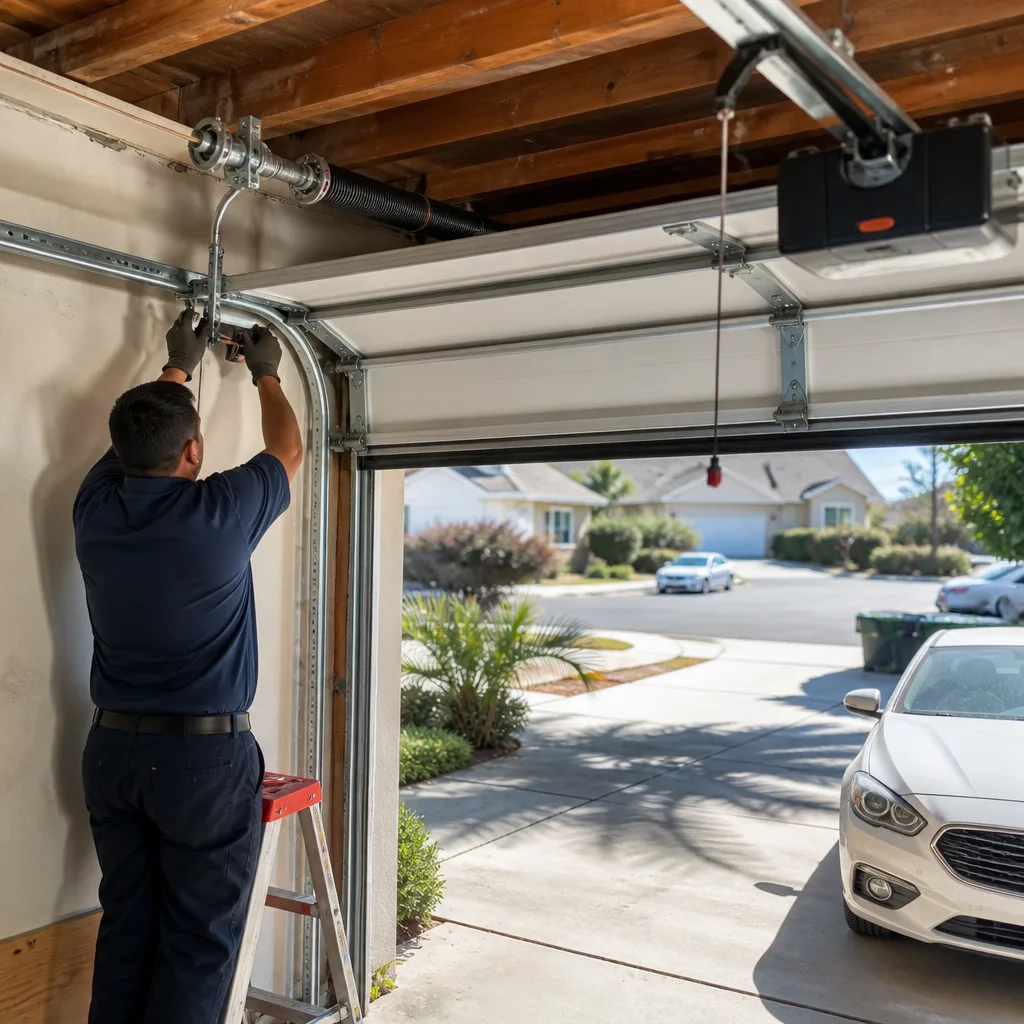 After
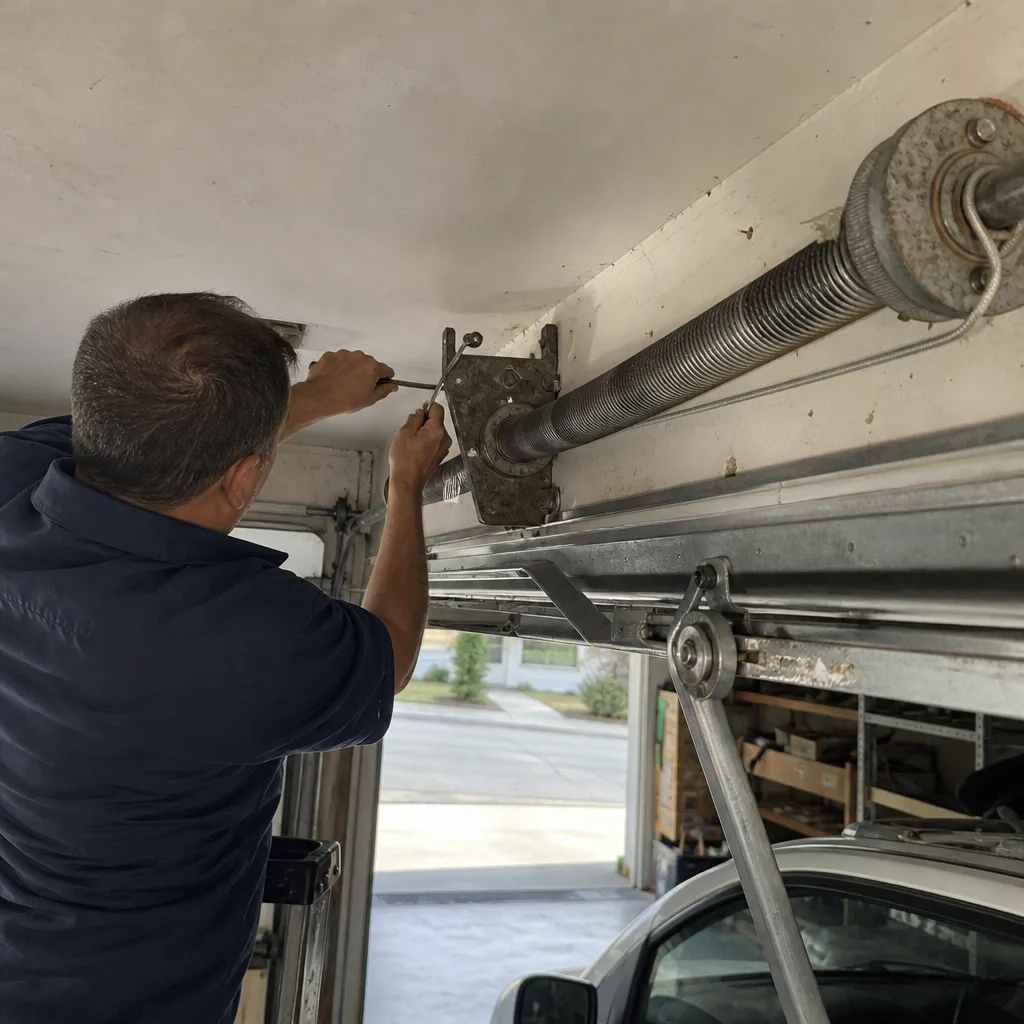 Before
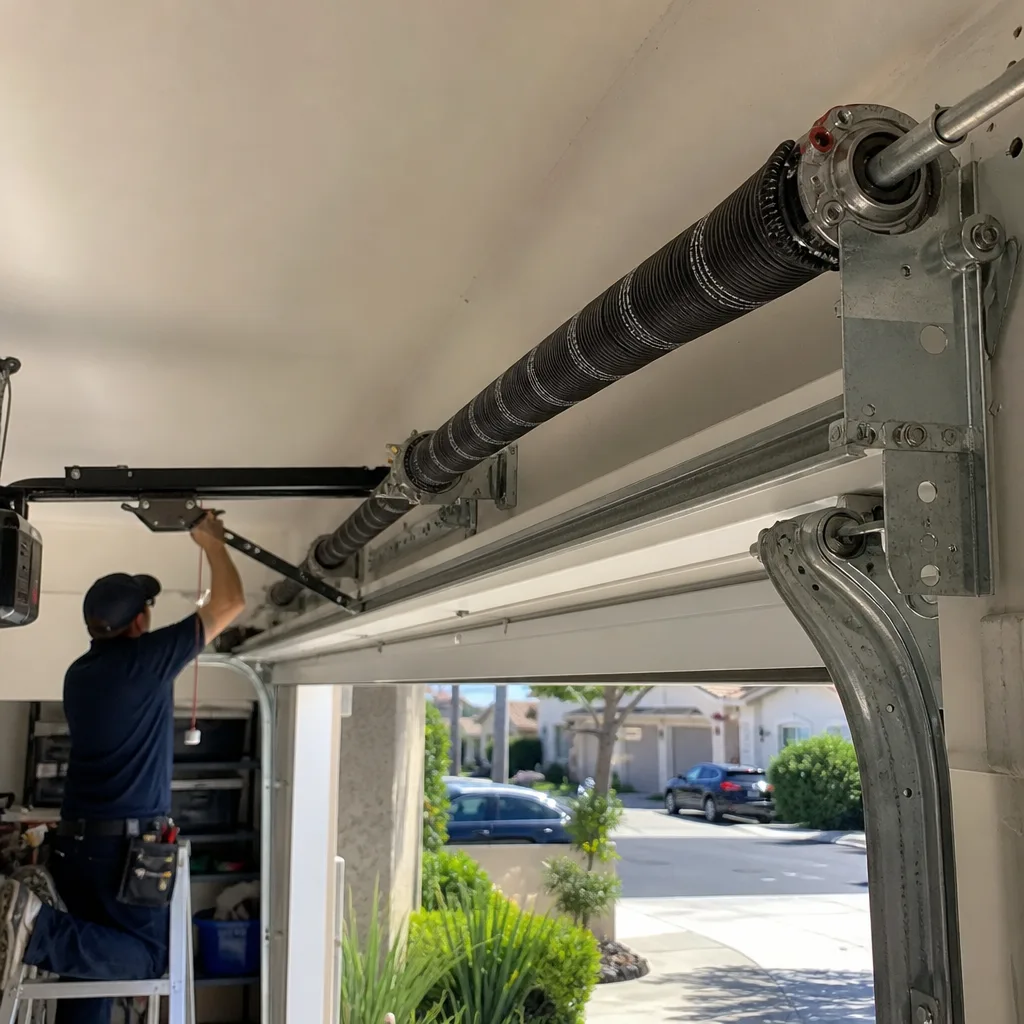 After
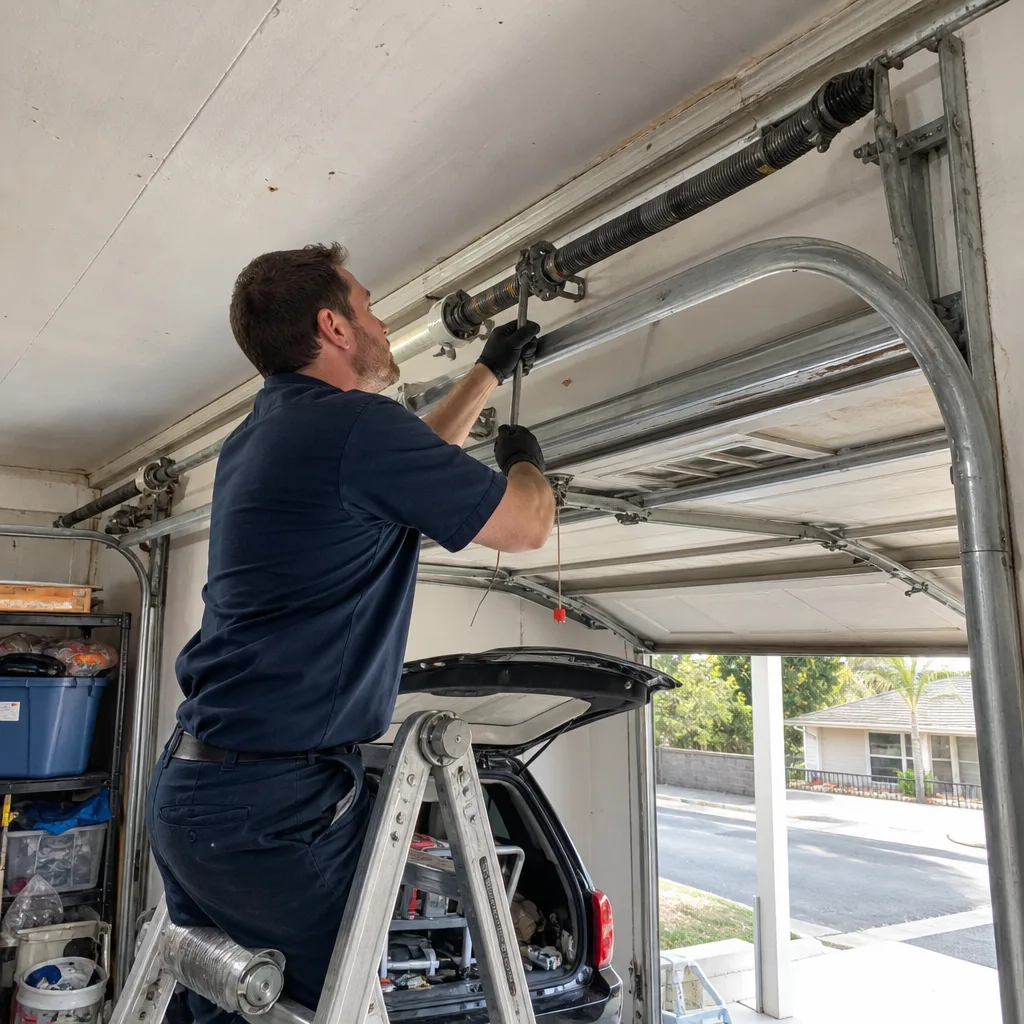 Before
 After
Key Takeaways
- Practice pulling your manual release cord twice a year, not for the first time during an emergency.
- Never pull the release cord when the door is open; the unsupported door can slam shut with dangerous force.
- San Diego wildfire evacuations are the highest-stakes scenario; know how to put your door in manual mode before you lose power.
- After an earthquake, inspect tracks, rollers, and springs before attempting any operation. Forcing a misaligned door makes damage worse.
- Battery backup openers are essential for hillside homes, homes with garages as the primary entry, and anyone with mobility limits.
- Keep a small emergency kit: ladder, locking pliers, flashlight, and a laminated instruction card.
Common Mistakes to Avoid
- Pulling the release cord while the door is open: This is the most dangerous mistake we see. The door’s full weight becomes uncontrolled. Always close the door before pulling the cord, or call a professional if the door is stuck open during a power failure.
- Believing the keypad will open the door during an outage: The keypad sends a signal to the opener, but the opener needs power to act on that signal. Unless you have battery backup, the keypad is dead weight when the grid is down.
- Forcing a door after an earthquake: If the track is even slightly misaligned, running the opener puts extreme tension on the track brackets and can rip them from the wall. The door may move a few inches before jamming permanently.
- Storing the emergency kit in a cabinet behind stored items: In an evacuation, you need the ladder and light in under 30 seconds. If you have to move boxes to reach them, you have failed to prepare.
- Relying on a smartphone app as your backup plan: Apps are useful for daily convenience, but they depend on Wi-Fi, cloud servers, and your phone battery. Redundancy means mechanical release, not another wireless layer.
- Ignoring your garage door springs during routine checks: A door with a broken spring will not open manually either. The manual release only works if the door can be lifted, and the springs are what make that possible. In San Diego, where salt air accelerates metal fatigue in coastal areas, spring inspection matters more than inland.
- Waiting until the rainy season to test the door: Winter storms in San Diego tend to arrive with wind and debris that lodge in tracks. Spring and fall practice runs keep the door functional year-round.
When to Call a Professional
Some garage door emergency situations require a technician with specialized tools and replacement parts. If your door will not lift after pulling the manual release and the springs look intact, the issue may be a dislodged roller, a bent track, or a seized bearing. If you see a visible gap in a torsion spring, the door contains a broken component under extreme tension. Do not attempt to repair springs, cables, or bottom brackets yourself. These parts store enough energy to cause serious injury.
Eagle Garage Door Service offers free estimates in San Diego – call (888) 783-4032 – and you can explore more guides & resources on our blog. We specialize exclusively in garage doors, so the technician who diagnoses the problem is the same one who fixes it. Whether it is a LiftMaster opener that stopped responding or a Clopay door that shifted in its tracks after a quake, we have seen it before. That experience means a faster diagnosis and an honest recommendation about whether to repair or replace, not the most profitable one.
Frequently Asked Questions
Pull the red manual release cord hanging from the opener rail above your car, then lift the door by hand using the bottom handle. The release cord disengages the door from the opener’s trolley, allowing manual operation. Practice this before you need it, and keep a step ladder nearby if the cord hangs too high to reach.
Yes, a battery backup opener works during a power outage, but only for a limited number of cycles, usually 20 to 50 depending on the model and battery condition. LiftMaster and Chamberlain openers with integrated backup batteries switch automatically when household power drops. Once the battery is depleted, the door can still be operated via manual release.
After an earthquake, visually inspect the tracks for bends or gaps, check that all rollers are still seated inside the tracks, and look for cracks or separation in the springs. If the door makes grinding or scraping sounds when lifted 2 to 3 inches by hand, stop and call a professional. Forcing a misaligned door causes secondary damage to tracks and panels.
Garage door repair in San Diego typically costs between $125 and $350 for common issues like broken springs, misaligned tracks, or faulty opener components; for permit-related work, see Garage Door Permits, Codes & Inspections in CA: What You Need to Know. The exact price depends on the brand, the door’s weight and size, and the specific parts needed. Call (888) 783-4032 for a free estimate before any work begins – the price is quoted and agreed before we start.
You should not attempt to manually open a garage door with a broken spring. Torsion springs are under extreme tension, and a broken spring means the door’s full weight is unsupported. Lifting even a single-car door without spring assistance can cause injury or property damage. Call a professional for spring replacement, which is a routine repair for anyone who works on garage doors daily.
Hillside neighborhoods like Mt. Helix, parts of Point Loma, and the canyons in La Mesa benefit most from battery backup openers because steep driveways make alternative access difficult. Homes where the garage is the primary entry point or where residents have mobility limitations also gain the most practical value from battery backup. We can assess your specific opener and make a straightforward recommendation during a service visit.
The Bottom Line
Garage door preparedness in San Diego is not a luxury. It is the difference between a controlled evacuation and a preventable emergency. Know your manual release cord. Practice using it twice a year. Check your door after earthquakes. Consider battery backup if your home’s geography or your physical abilities make manual operation difficult. Keep a simple emergency kit accessible and a laminated card with your opener’s brand and the service phone number. The preparation takes less than an hour, and it works indefinitely. When you need a professional, call (888) 783-4032 for a free estimate from a team that works on garage doors and nothing else.
Written by the team at Eagle Garage Door Service, serving San Diego since 2015.