Last updated October 31, 2026
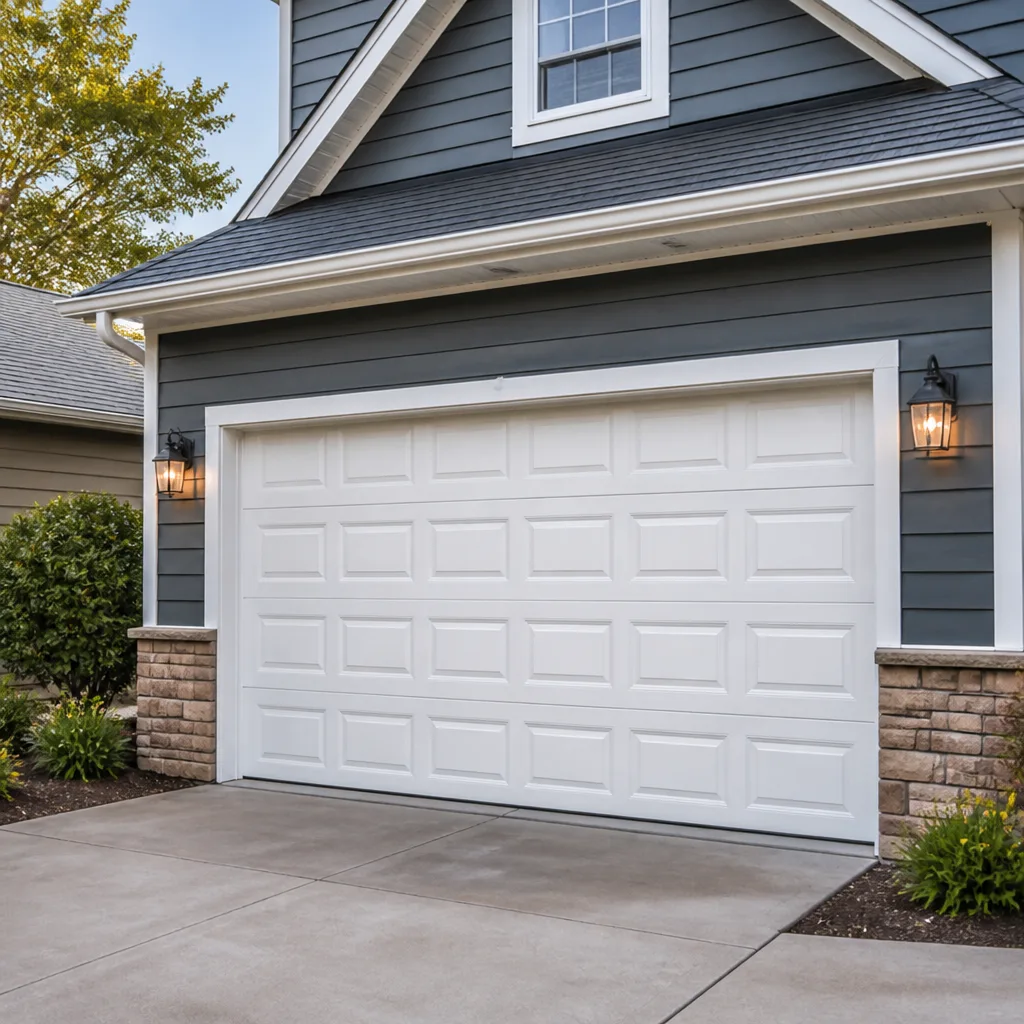 Raised-panel steel
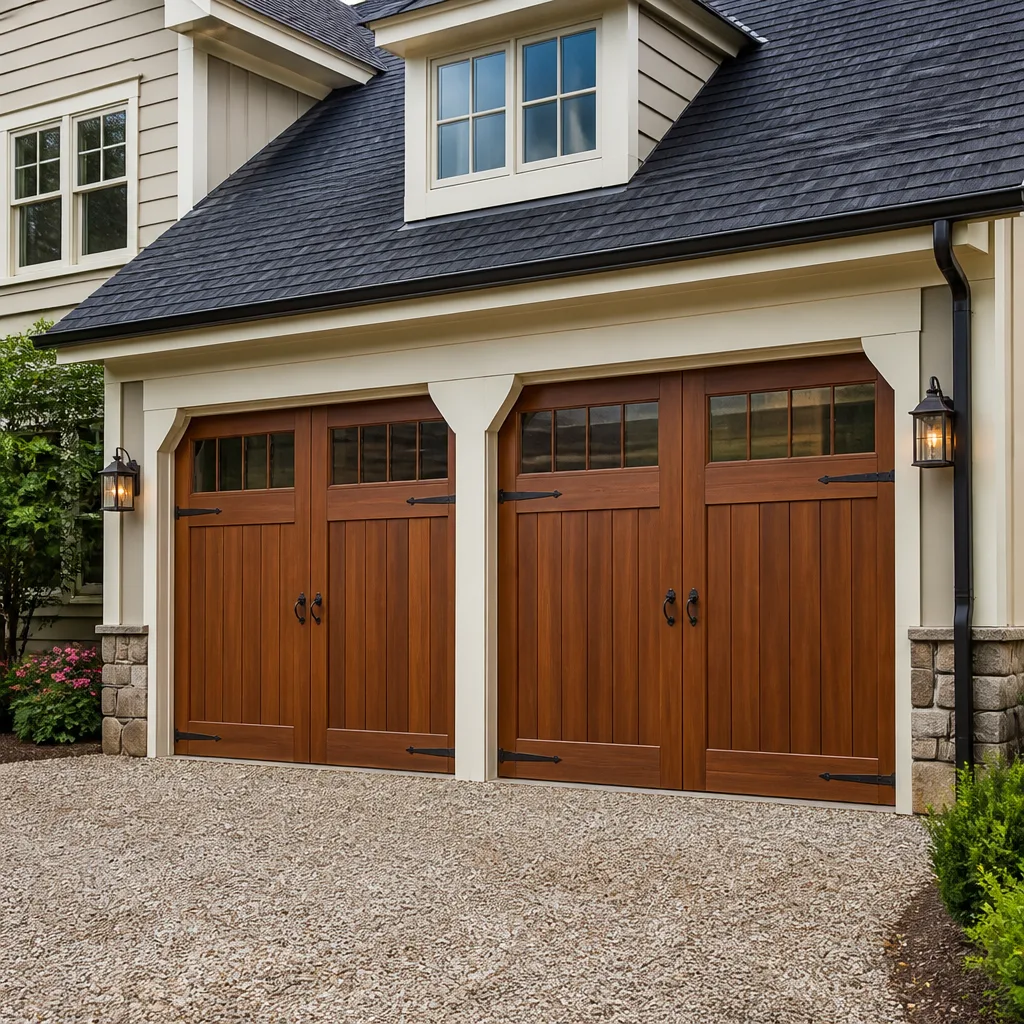 Carriage house
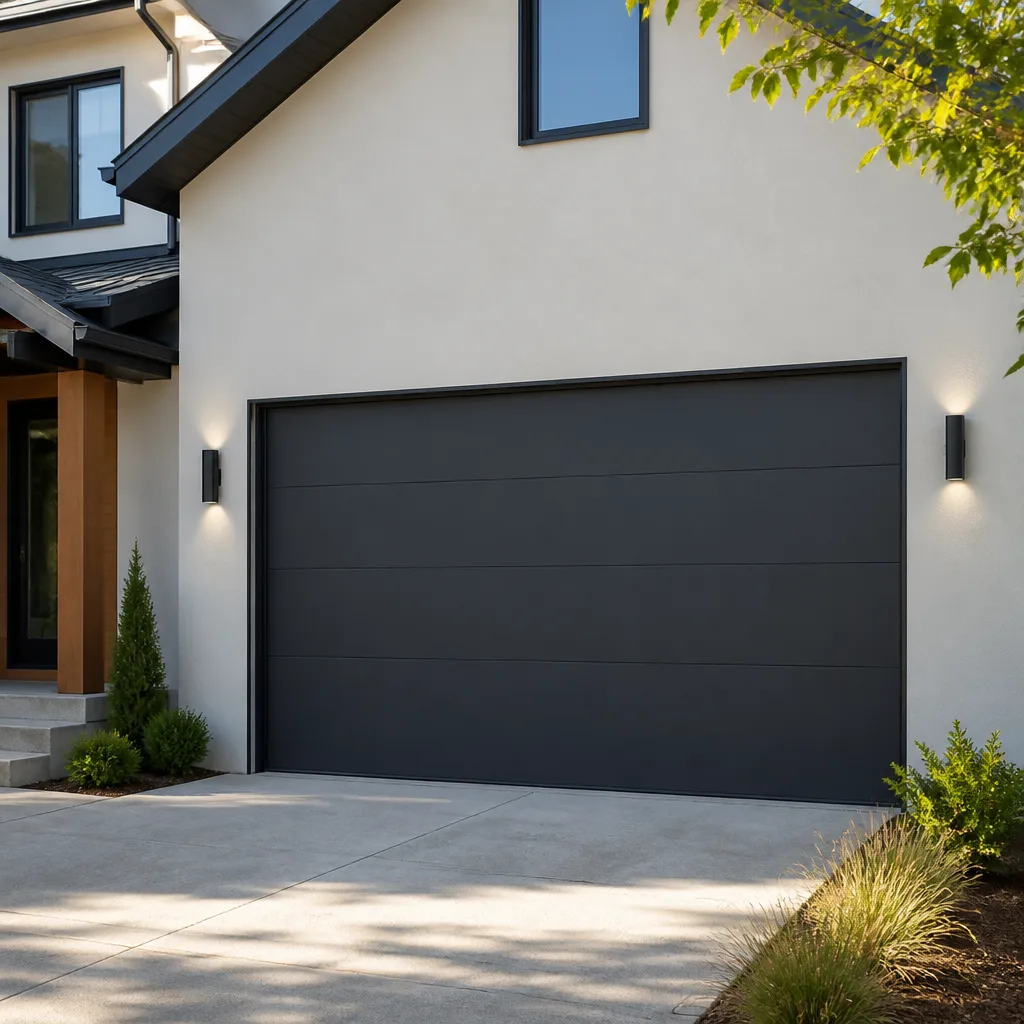 Modern flush
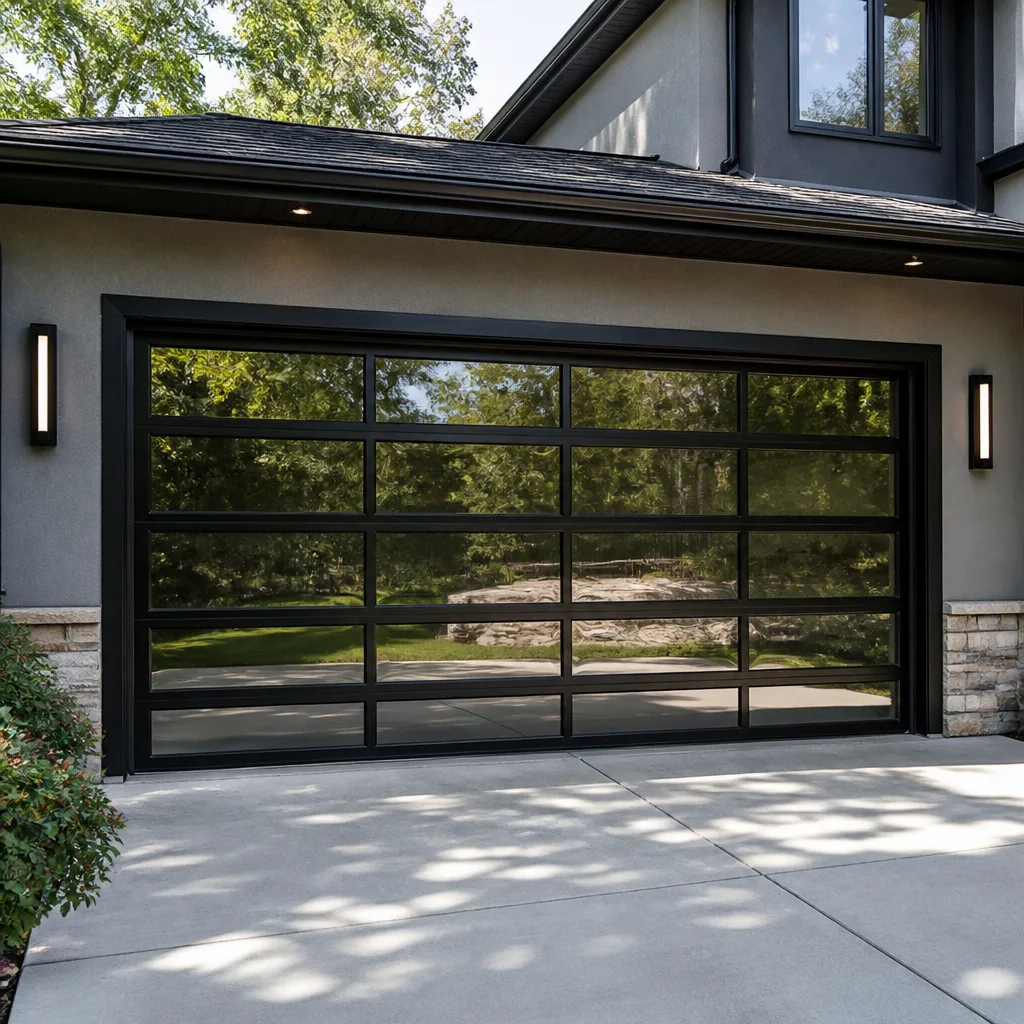 Full-view glass
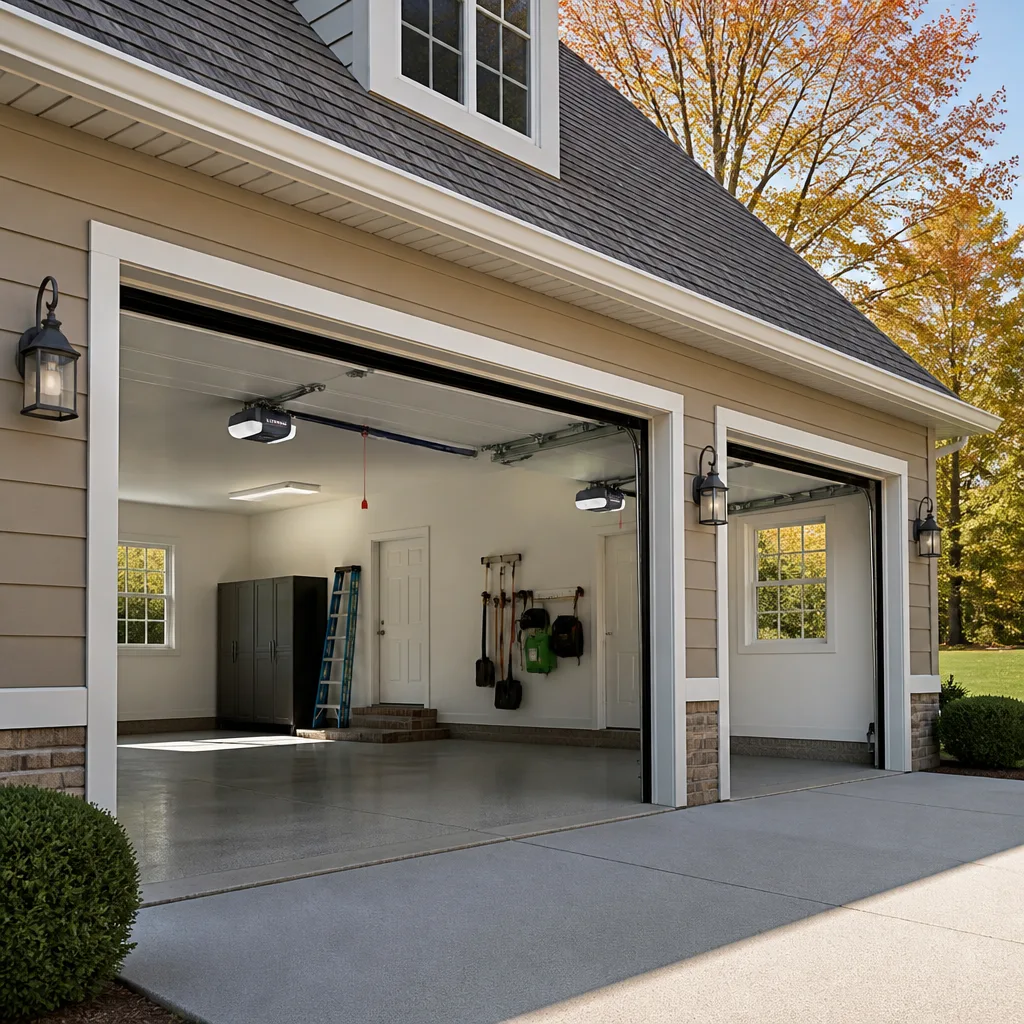 LiftMaster openers
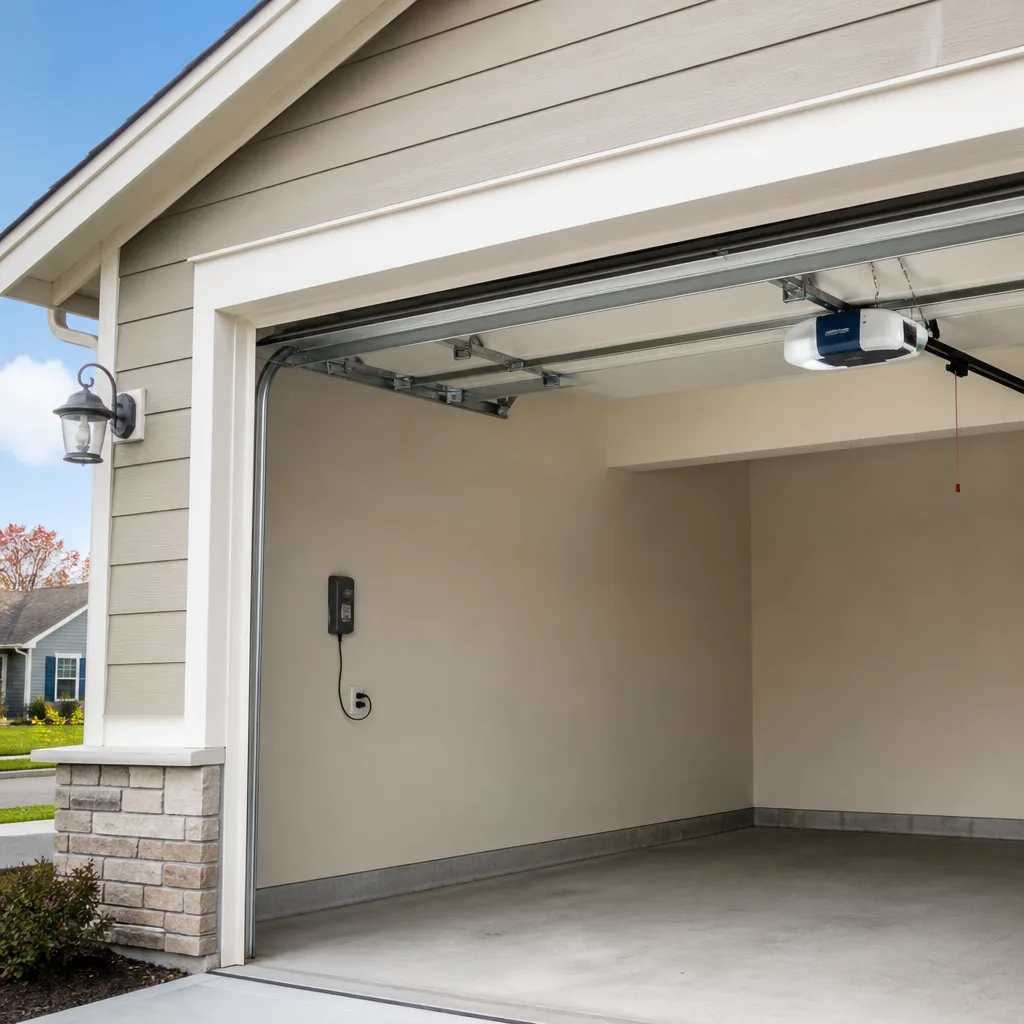 Chamberlain openers
Full 25-point door and opener safety check with every visit - springs, cables, rollers, tracks, and your LiftMaster or Chamberlain opener included
You get a price before we start. It does not change when the truck arrives.
Get your free estimateThe Complete Garage Door Repair Guide for San Diego Homeowners
A garage door spring rated for 10,000 cycles can fail in under three years in a Coronado or Ocean Beach home. Not because of overuse, but because salt-laden marine air accelerates metal fatigue in ways most homeowners never anticipate. This guide – alongside The Complete Guide to Garage Door in San Diego – explains why San Diego’s coastal climate creates repair patterns that generic guides written for the Midwest completely miss. You’ll learn which failures are specific to our region, which repairs are genuinely safe to attempt, what things actually cost in this market, and how to get an accurate quote from a contractor without the “it depends” runaround. If you own a garage door in San Diego, this is the repair manual you should have had the day you got your keys.
Quick Answer
Our Garage Door Repair services in San Diego typically cost between $125 and $450 depending on the failed component, with spring replacement being the most common job we handle. The single biggest factor in what you’ll pay is not your door brand but your home’s proximity to the coast, which determines how aggressively salt air corrodes your hardware. Most repairs – broken springs, frayed cables, misaligned tracks, failed openers – are fixable by a specialist in under two hours when the right parts are on the truck.
Styles & brands we work with
Table of Contents
- Why San Diego Is Its Own Repair Environment
- What You Can Fix Yourself vs. What You Shouldn’t Touch
- The Most Common Garage Door Failures in San Diego Homes
- Brand-Specific Failure Patterns We See Repeatedly
- What Garage Door Repairs Actually Cost in San Diego
- How to Document Your Repair So You Get an Accurate Phone Quote
- Preventive Maintenance That Extends Door Life in Coastal Air
- Common Mistakes to Avoid
- When to Call a Professional
- Frequently Asked Questions
Why San Diego Is Its Own Repair Environment
Every garage door guide on the internet assumes you live somewhere with four seasons. But San Diego’s microclimates change the math on every component. A homeowner in Santee deals with extreme dry heat and occasional Santa Ana winds that bake lubricant off hinges. A homeowner in Point Loma deals with persistent marine layer humidity and airborne salt that eats through zinc plating. The same door installed in both locations will fail in completely different ways.
Here’s what actually happens in coastal zones like La Jolla, Ocean Beach, Coronado, and Pacific Beach. Salt particles carried by onshore wind settle on your springs, bearings, cables, and track hardware. When marine-layer humidity condenses on those surfaces overnight, you’ve created a mild saltwater bath on your door hardware. Galvanized steel eventually gives way. Torsion springs develop rust pitting at the stress points. Rollers seize. Bottom brackets corrode to the point of structural weakness. This is why you’ll sometimes see coastal San Diego doors with spring life far shorter than the manufacturer’s rating.
Inland zones present the opposite problem. El Cajon, Santee, Escondido, Poway – these areas see summer garage temperatures that regularly exceed 110 degrees. That heat affects two things: the viscosity of your lubricant and the thermal expansion of your components. Grease that works beautifully at 72 degrees turns to runny fluid at 110. It drips out of bearings and leaves them running dry. Your torsion spring’s rated cycle life assumes normal operating temperatures; sustained heat accelerates metallurgical fatigue.
What this means for the homeowner is simple: hardware grade matters more in San Diego than in most of the country. If you’re replacing springs, bearings, or cables and you live within two miles of the coast, pay for galvanized or stainless options. If you live inland, buy a quality dry-film lubricant and keep your hinges and bearings coated. These are not upsells. They’re regionally correct material choices.
Our team at Eagle Garage Door Service has repaired doors across every San Diego microclimate, and the pattern holds consistently: the corrosion we see on a Mission Beach door at year five looks like what an El Cajon door shows at year fifteen.
What You Can Fix Yourself vs. What You Shouldn’t Touch
This section is intentionally blunt. Some garage door tasks are genuinely safe for a careful homeowner. Others – as covered in our DIY vs Professional Garage Door: The San Diego Homeowner’s Decision Guide – put you in a category of injury we hear about from San Diego urgent care and ER visits far too often. We don’t hedge on this.
Relatively Safe DIY Repairs
- Replacing the opener remote battery or reprogramming a remote. If your opener manual is handy, this is a five-minute task with zero mechanical risk.
- Tightening loose track bolts or hinge screws. When you see a hinge wobbling, use a socket wrench to snug it. Do not remove bolts unless you understand what you’re releasing.
- Clearing debris from the track. A chunk of wood or hardened dirt can sit in the track channel and cause binding. Removing visible debris is safe when the door is closed and the opener is detached.
- Replacing a light bulb in the opener unit. Turn off the circuit breaker first, but this is a basic task.
- Applying dry-film lubricant to rollers and hinges. We’ll cover the right product later. Spray only; do not disassemble anything.
Repairs You Should Absolutely Not Attempt Yourself
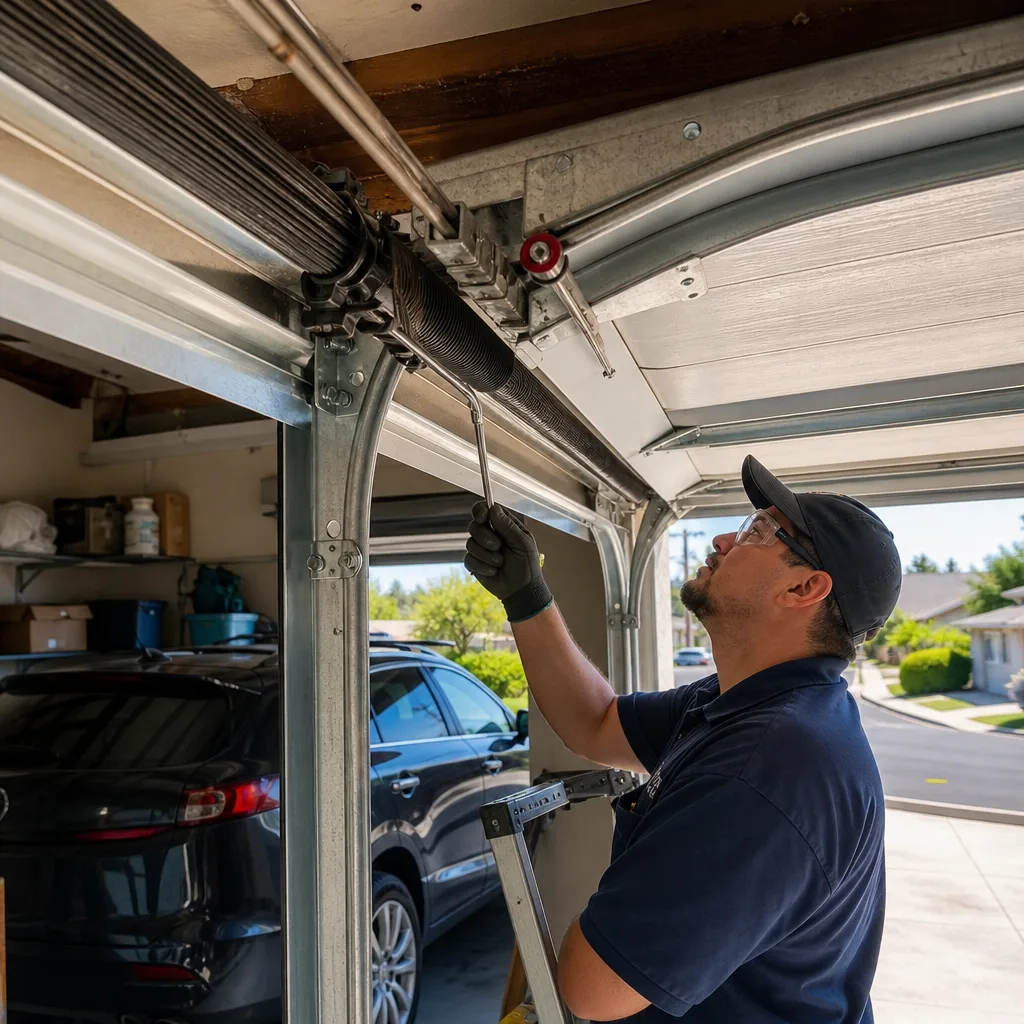
Torsion spring replacement. This ranks first for a reason. A torsion spring under tension holds hundreds of pounds of force. If it lets go while you’re working with the wrong tools, it can break bones, remove fingers, or cause fatal blunt trauma. This is the injury pattern San Diego urgent care sees from DIY garage door work more than any other. Even with the correct winding bars, the margin for error is small. We’ve been called to repair damage caused by a homeowner’s DIY attempt – and the secondary repair always costs more than the original spring job would have.
Cable replacement. Cables are attached to the same tension system as the springs. When a cable snaps or frays, the system is unsafe to handle until you understand where the load is. A cable under load can take a hand off.
Track realignment that involves removing brackets. You can tighten, but you shouldn’t remove. The track carries the full weight of the door. Reinstalling it incorrectly turns your door into a guided missile.
Any repair involving the bottom bracket. Bottom brackets are the anchor points for cables. They’re under constant load. Do not touch them.
The rule we give every San Diego homeowner: if the part you need to fix is under spring tension or holds the door’s weight, call a professional. The savings from DIY is not worth what a snap-back injury costs, and we’d rather tell you that straight than watch you become a statistic. For help identifying whether your problem is tension-related, see our Garage Door Repair in San Diego page.
The Most Common Garage Door Failures in San Diego Homes
In our experience repairing doors throughout San Diego County, five failure modes account for about eighty percent of what we see. Here they are, in order of frequency, with the San Diego-specific twist on each.
1. Broken Torsion Springs
Springs are the number one failure in every market, but San Diego’s climate compresses the timeline. A spring that would last twelve years in Phoenix may last six in Point Loma because salt corrosion accelerates the metal fatigue that eventually causes the snap. You’ll usually hear it – a loud crack that sounds like a gunshot from inside the house. When it happens, the door won’t open, or opens only a few inches before the motor strains. Do not keep pressing the opener. Disconnect it and call for service. Continuing to operate a door with a broken spring bends tracks, strips gears, and turns a $250 job into a $700 one.
2. Worn or Frayed Cables
Cables typically last longer than springs, but in coastal zones we see rusted cables snapping long before their rated life. Look at your cables visually every few months. If you see fraying, individual strands separating, or rust discoloration, plan for replacement before it breaks. Once a cable breaks, the door often drops unevenly and can wedge hard in the tracks, causing secondary damage to panels and rollers.
3. Opener Logic Board or Gear Failure
This is where brand matters. LiftMaster and Chamberlain openers – the most common in San Diego – use nylon main drive gears that eventually strip. The failure sounds like the motor running but the door not moving. It’s not a motor failure; the motor is fine. The gear is a $20 part that a specialist can replace in thirty minutes. Logic boards are a different animal: power surges during San Diego’s occasional monsoon-season lightning or Santa Ana grid fluctuations can fry a board. The symptom is usually no response at all, or intermittent operation that resets itself.
4. Rusted and Seized Rollers
Rollers are the door’s wheels. Coastal San Diego’s salt air attacks them relentlessly. A seized roller doesn’t just make noise – it drags the door off balance, which forces the opener to work harder and accelerates spring wear. If your door makes a grinding sound and doesn’t move smoothly, chances are one or more rollers are shot. Replacing rollers is not typically dangerous when done individually, but if you have a torsion spring system, releasing the wrong bolt can be. We handle roller replacement as a routine job.
5. Misaligned or Bent Tracks
Tracks bend when a door with a broken spring keeps getting operated, or when a vehicle clips the door. In coastal homes, track corrosion compounds the problem: the metal gets thinner, then bends more easily. A visibly bent track is a non-negotiable professional repair. The severity determines whether we repair or recommend replacement. Sometimes a replacement makes more sense than straightening a compromised rail.
Brand-Specific Failure Patterns We See Repeatedly
We service eight major brands – LiftMaster, Chamberlain, Genie, Clopay, Amarr, Wayne Dalton, Craftsman, and Raynor – and our diagnostic speed comes from recognizing how each brand typically fails in San Diego conditions. Here are the patterns we see most often.
LiftMaster and Chamberlain (Openers)
LiftMaster and Chamberlain are sibling brands from the Chamberlain Group, and in San Diego they account for the largest share of installed openers. In our experience, their weak point is the logic board. Power irregularities – even brief ones – can cause a board to stop communicating with the safety sensors or the wall control. The symptom is often a door that moves six inches, reverses, and the lights flash ten times. Homeowners assume a sensor alignment issue, but when we recheck the board, it’s failed. The mechanical drive – belt or chain – is typically robust. Your LiftMaster or Chamberlain system is one we know inside and out, including the myQ smart platform integration. For opener-specific issues, see our Garage Door Opener Repair in San Diego page.
Wayne Dalton (Doors and Torsion Systems)
Wayne Dalton doors – common in many San Diego tract homes built in the 1990s and 2000s – use a proprietary torsion tube system instead of traditional torsion springs. That tube design has a specific failure mode: the internal spring inside the tube breaks, and the door suddenly becomes extremely heavy. It’s not visually obvious because there’s no traditional spring to inspect. Homeowners will notice the door is heavier or the opener struggles. A Wayne Dalton system can also be converted to a conventional torsion spring setup, which we sometimes recommend when hardware availability becomes an issue. We service Wayne Dalton as one of our core brands.
Genie and Raynor
Genie openers tend to develop drive-gear failures similar to Chamberlain, but with more plastic in the carriage assembly. Raynor doors are well-built, but their older models use hardware that’s difficult to source. When a homeowner has an older Raynor, we focus on whether the repair can extend the door’s life or whether a Garage Door Installation in San Diego makes more financial sense.
What Garage Door Repairs Actually Cost in San Diego
These are the price ranges we see consistently across San Diego County. They’re specific to this market – not national averages from a generic website. Coastal zip codes may run slightly higher due to corrosion-related complications. Inland areas run closer to the bottom of each range.
| Repair Type | Typical San Diego Cost Range | Notes |
|---|---|---|
| Torsion spring replacement (single spring) | $180 – $280 | Galvanized or stainless for coastal zones |
| Torsion spring replacement (pair) | $280 – $450 | Replacing both even if one is intact is standard practice |
| Cable replacement (single) | $100 – $180 | Labor + cable; inspect the other side |
| Roller replacement (all rollers) | $85 – $175 | Nylon rollers are quieter; steel lasts longer |
| Opener gear replacement | $75 – $150 | Parts are inexpensive; labor is the bulk |
| Logic board replacement | $120 – $275 | Brand-dependent; LiftMaster boards are more expensive |
| Track realignment | $100 – $200 | Depends on severity and existing corrosion |
| Bottom bracket replacement | $120 – $200 | Coastal homes may need both brackets replaced |
| Complete door replacement | $900 – $2,800 | Depends on material, insulation, and size |
These are honest ranges, not teaser prices. The price we quote you before the job is the price you pay – we confirm everything verbally before any work starts. No surprise line items. No “while I’m here” additions. If the repair requires more than what we quoted, we stop and call you with a new number before proceeding.
The one variable that moves a quote the most is corrosion. A cable replacement on a clean track is straightforward. The same cable replacement where every bolt is rusted and the track brackets are compromised becomes a longer job with additional parts. If you live within two miles of the ocean, expect to hear about galvanized or stainless options – and know that they’re worth the premium.
How to Document Your Repair So You Get an Accurate Phone Quote
Most “it depends” phone quotes happen because the homeowner can’t describe what they’re seeing. The more specific you are, the tighter the range we can give you. Here’s a step-by-step process that gets you the most accurate quote in under ten minutes.
- Find your opener’s brand and model. It’s printed on the motor head, which hangs from the ceiling above your car. LiftMaster models start with a four-digit code. Chamberlain and Genie also label clearly. Write down the brand and model number.
- Look at your door’s brand. Many panels have the manufacturer name stamped into the inside bottom panel or the outside designer panel corner. Clopay, Amarr, Wayne Dalton, and Raynor all mark their doors.
- Identify the failed component. Is the spring visibly broken (look for a gap in the coil)? Is a cable hanging loose? Does the opener motor run but the door not move? Is one side higher than the other? Write down exactly what you observe, not your diagnosis.
- Note the door’s behavior. Does it open partway and stop? Does it reverse without touching anything? Does it make a specific noise – grind, squeal, pop? These details tell us a lot.
- Take photos. Photos of the spring, the cable, the track, and the opener unit help us see what you’re describing. A well-lit photo of the torsion spring area often answers whether you need one spring or two.
- Note any recent work or incidents. Was the door hit by a car? Did a spring break recently? Has anyone serviced it in the last year? Recent history matters.
With that information, we can typically give you a quote range narrow enough to be useful – not a “somewhere between $100 and $800” answer. When our technician arrives, they’ll verify the diagnosis and confirm the exact price before touching the door.
Preventive Maintenance That Extends Door Life in Coastal Air
If you live within five miles of the coast, these steps will add years to your door’s components. If you live inland, they’ll keep your door operating smoothly through the summer heat. This is a maintenance routine we recommend every San Diego homeowner follow every six months.
- Inspect the cables monthly. Look for fraying, rust, or loose strands. In coastal zones, rust appears first where the cable wraps around the drum at the top of the track.
- Lubricate moving parts twice a year. Use a dry-film lubricant or a silicone spray, not WD-40. Apply to rollers, hinges, and bearings. If you live inland, do this before the hottest months. If you live coastal, do it before the winter marine-layer season.
- Wipe salt residue from hardware. In coastal zones, rinse visible salt buildup from track brackets and bottom hardware, then dry them. This simple step slows corrosion significantly.
- Test the auto-reverse safety feature monthly. Place a roll of paper towels under the closing door. It should reverse on contact. If it doesn’t, the opener needs repair.
- Check the balance manually. Pull the red release cord with the door closed, then lift the door halfway by hand. It should stay in place without drifting. If it drops or rises, the springs are out of balance and need adjustment.
- Listen for changes. A squeal that wasn’t there last month is a bearing or roller failing. A grinding sound is track or roller wear. A loud pop is a spring. Your ears are a diagnostic tool.
Common Mistakes to Avoid
- Continuing to operate a door after a spring breaks. This is the most expensive mistake we see in San Diego. The opener forces the door up on one side, twisting the track, damaging panels, and straining the motor. Every additional open adds to the bill.
- Using WD-40 on your garage door. WD-40 is a solvent and water displacer, not a lubricant. It strips existing grease and leaves bearings running dry. Use a dry-film or silicone lubricant instead.
- Assuming coastal doors and inland doors need the same parts. They don’t. Coastal hardware needs galvanized or stainless components. Standard hardware in a Point Loma home is a false economy.
- DIY spring or cable work. The hospital bill from a snapping spring exceeds any repair savings. This is not a judgment on your mechanical skill – it’s a fact about stored energy.
- Ignoring a noisy door until it stops working. Noise is early warning. A door that squeals for six months is telling you something is failing. The repair is smaller when you act early.
- Replacing a door when only the hardware failed. Many San Diego homeowners assume a stuck or heavy door means replacement. Often the panels are fine and the springs, rollers, or cables are the issue. A proper diagnosis saves thousands.
- Getting one quote and assuming it’s the market rate. San Diego repair pricing varies. Get two or three quotes, but make sure you’re comparing the same work. A quote for one spring vs. a quote for a spring pair is not an apples-to-apples comparison.
When to Call a Professional
Call a professional if you have a broken spring, a snapped or frayed cable, a bent track, an opener that runs but doesn’t move the door, or a door that’s visibly uneven when opening. These are all signs that the system is under load or the machine has a mechanical failure. Continuing to use a compromised door makes the repair bigger and more expensive every single time.
You should also call a professional if your door is more than fifteen years old and you’re spending money on repairs twice a year. At some point, replacement becomes cheaper than repair. A specialist can tell you honestly which side of that line you’re on – not steer you toward the more profitable option. Eagle Garage Door Service offers free estimates in San Diego – call (888) 783-4032 and we’ll help you decide repair or replace, honestly.
Frequently Asked Questions
Most garage door repairs in San Diego cost between $125 and $450, with spring replacement being the most common job. Coastal homes may pay slightly more due to corrosion complications. Call (888) 783-4032 for an exact quote – estimates are free.
Yes, in most cases we can dispatch a technician the same day for broken spring, cable, or opener repair. We stock parts for all eight major brands on our trucks, which makes same-day repair practical in the majority of San Diego service calls.
No. We confirm the exact price verbally before starting any work. If additional problems are discovered during the repair, we stop and call you with a new number before proceeding. You’ll never receive a bill that exceeds the agreed quote without your approval.
We service LiftMaster, Chamberlain, Genie, Clopay, Amarr, Wayne Dalton, Craftsman, and Raynor – eight of the most widely installed brands in North America. If your door is outside that list, call us and we’ll tell you honestly whether we can source the parts.
In inland San Diego zones like El Cajon or Poway, springs typically last eight to twelve years. In coastal zones like La Jolla or Ocean Beach, salt air can cut that to four to seven years. Galvanized or stainless springs extend coastal life by two to four years.
If your door panels are in good shape and the failure is hardware – springs, cables, rollers, or track – repair is almost always the better financial choice. If panels are dented, warped, or rusted, or the door is over fifteen years old with multiple failing components, replacement often costs less over five years. We give you the honest recommendation, not the more profitable one.
The Bottom Line
Your garage door is a machine, and in San Diego it’s a machine fighting an environment that accelerates its aging. Salt air destroys coastal hardware. Heat destroys inland bearings. Springs snap, cables fray, and openers fail – but almost every failure is predictable and repairable. The difference between a $200 repair and a $1,500 replacement is often just whether you caught the problem early and called someone who knows your specific system. We specialize exclusively in garage doors – it’s all we do. For more guides & resources, visit our blog. When something fails, call us at (888) 783-4032, and you’ll get a specialist who recognizes your brand, tells you the truth, and fixes it right the first time.
Written by the team at Eagle Garage Door Service, serving San Diego since 2015.
See the difference
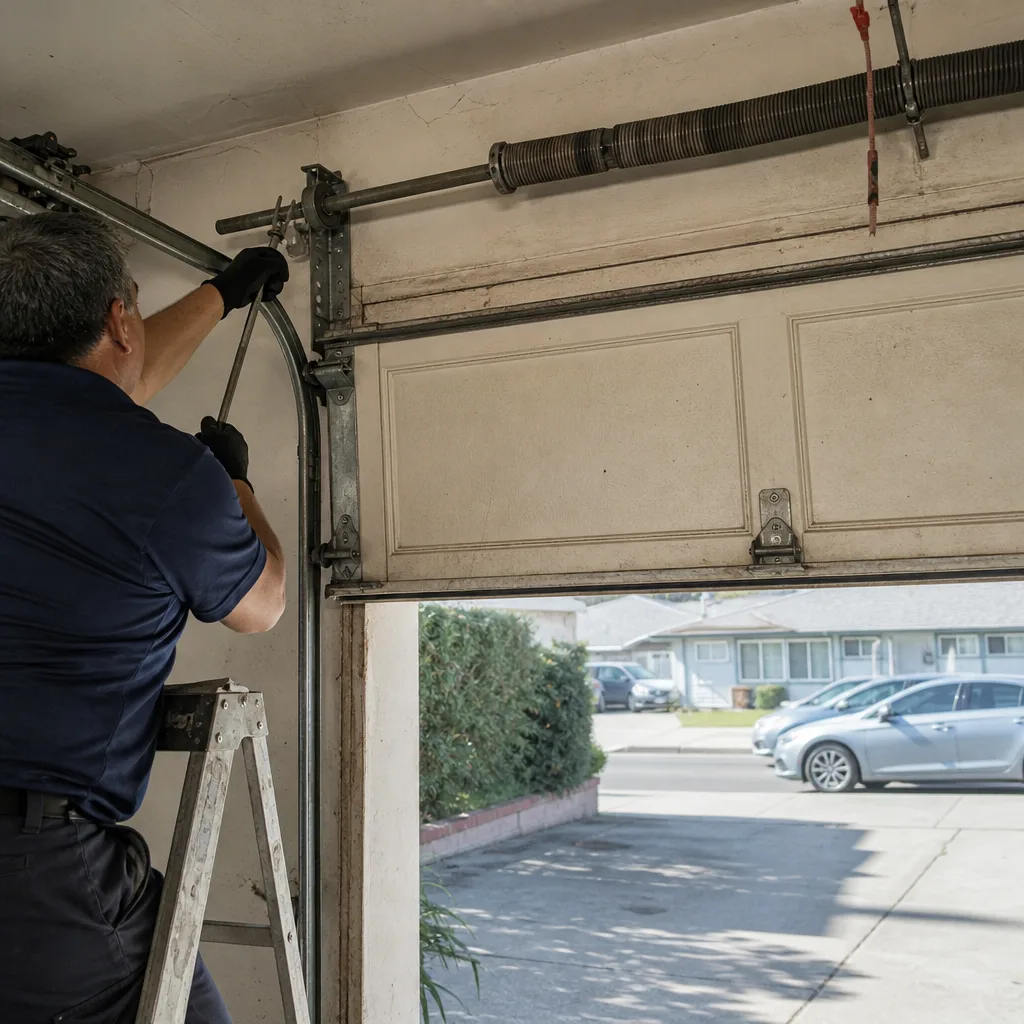 Before
 After
 Before
 After
 Before
 After