Last updated October 31, 2026
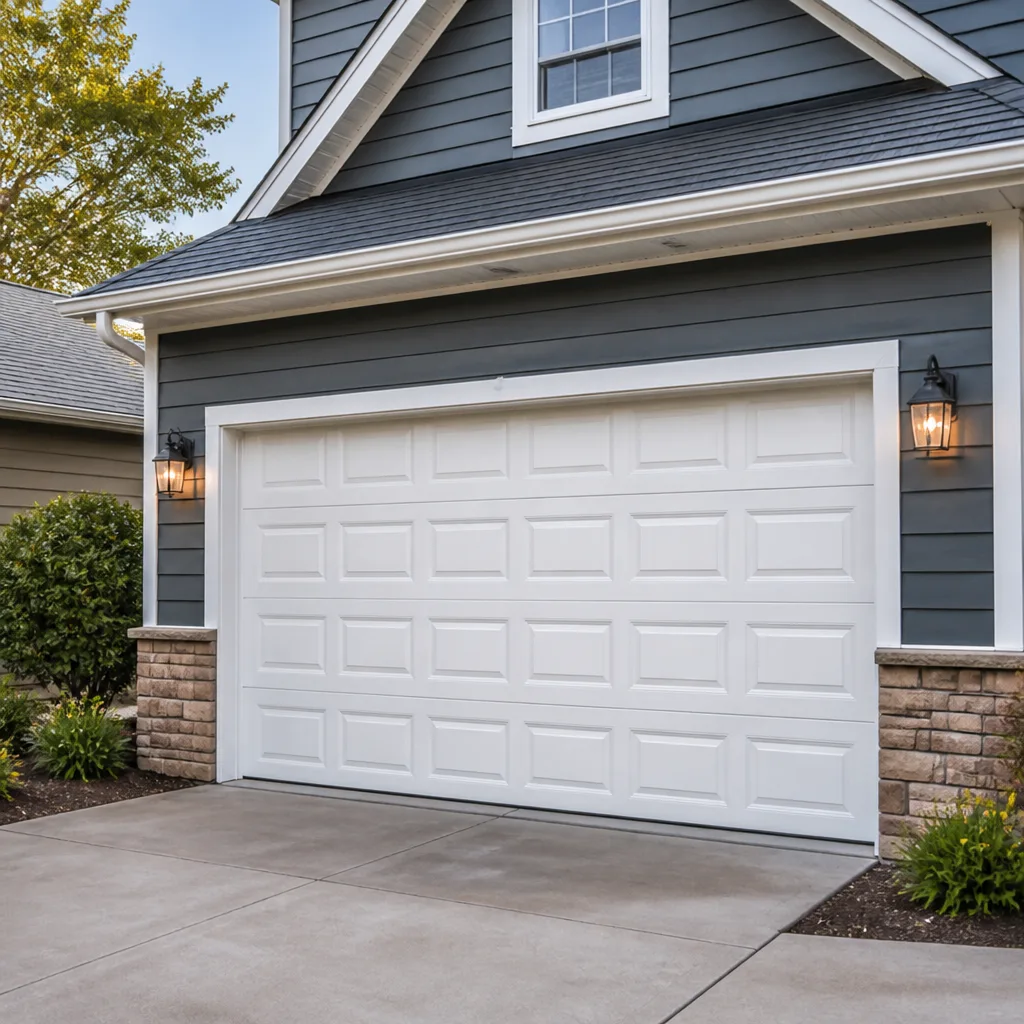 Raised-panel steel
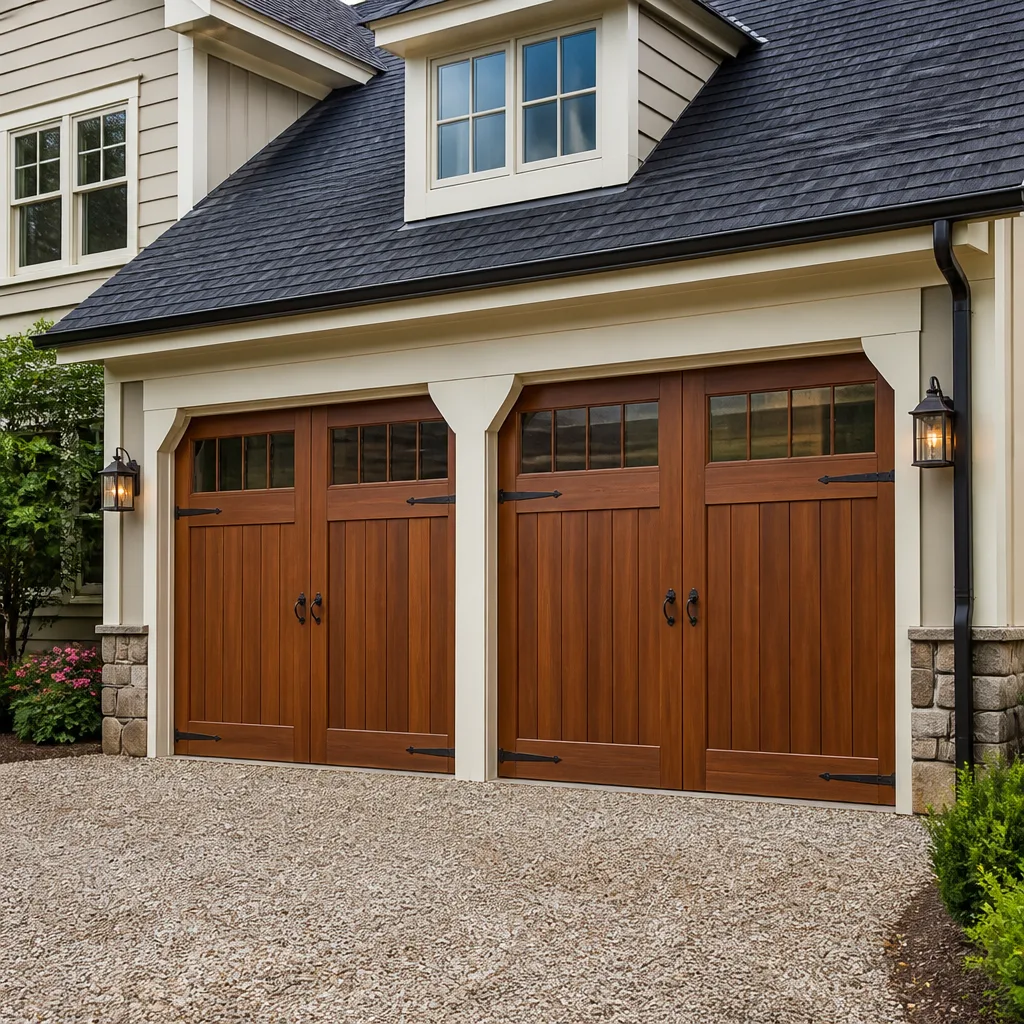 Carriage house
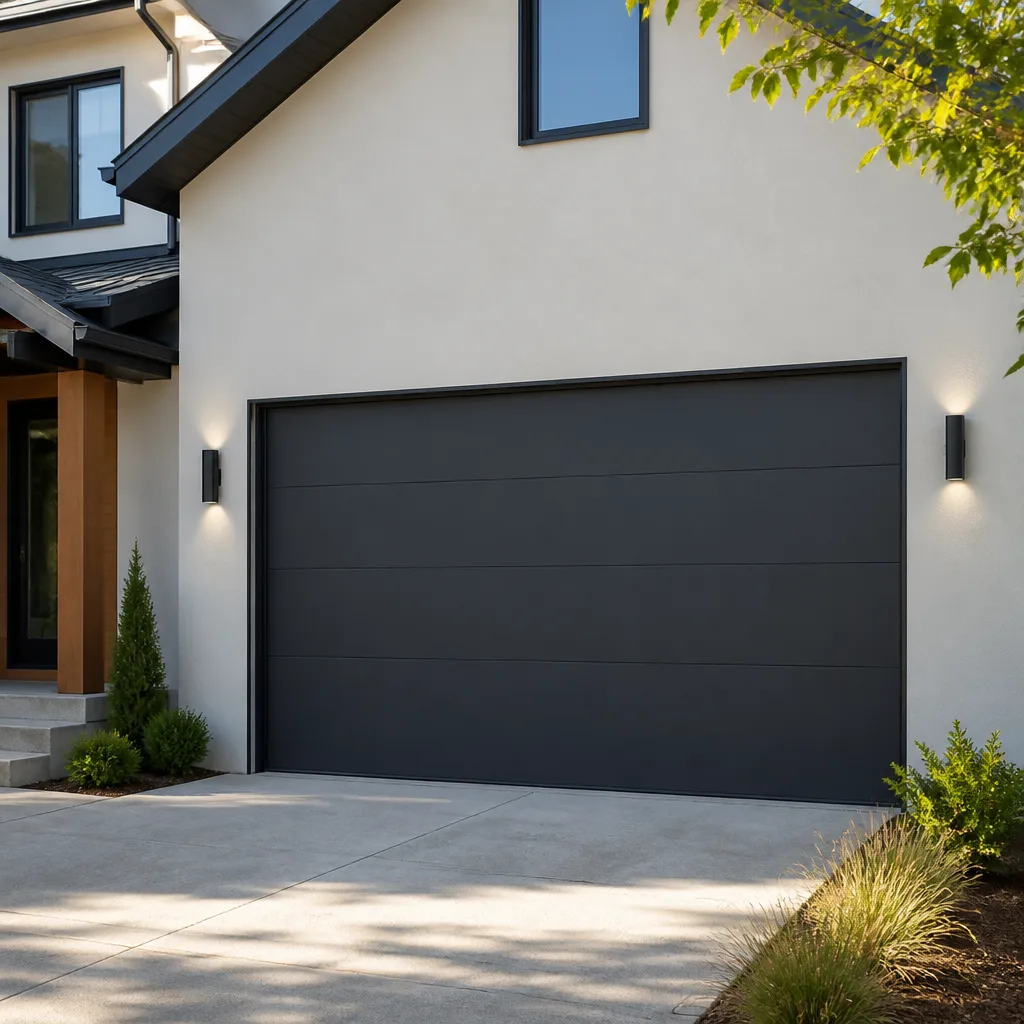 Modern flush
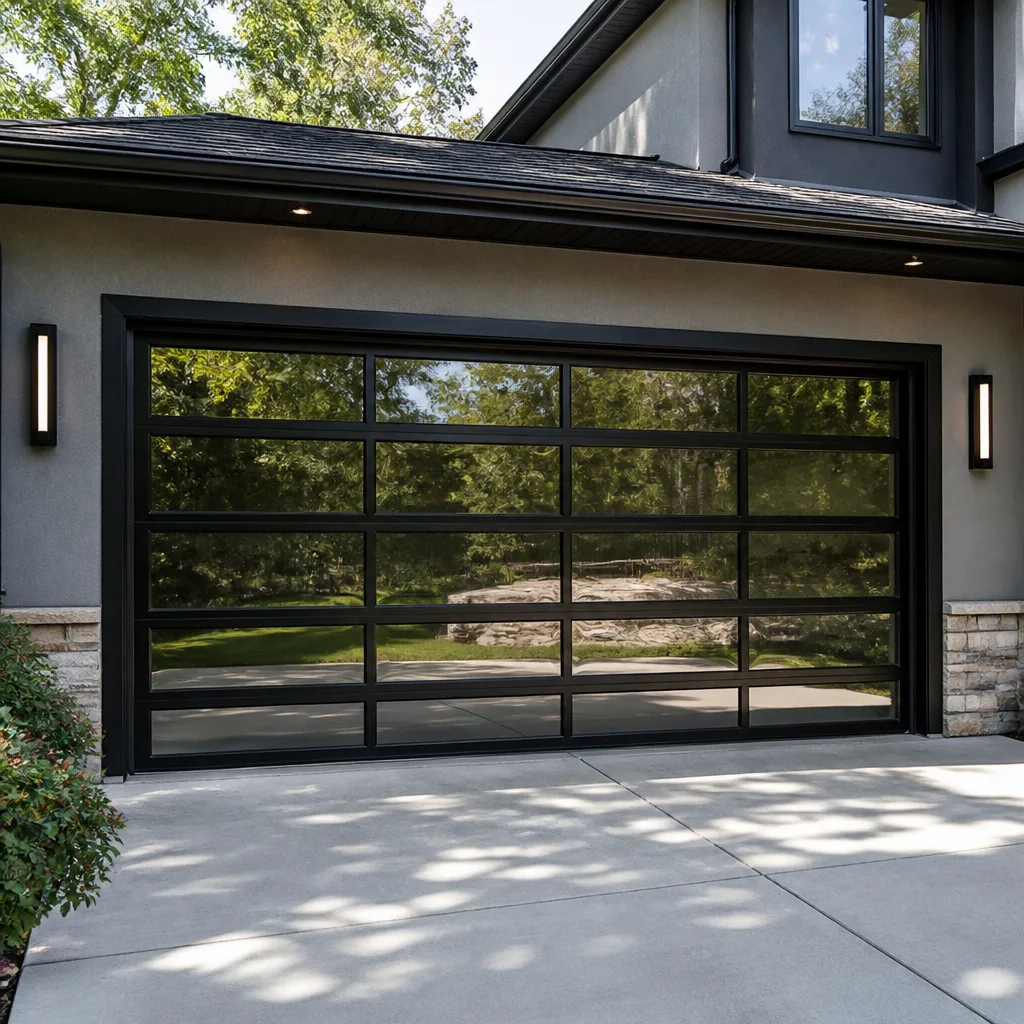 Full-view glass
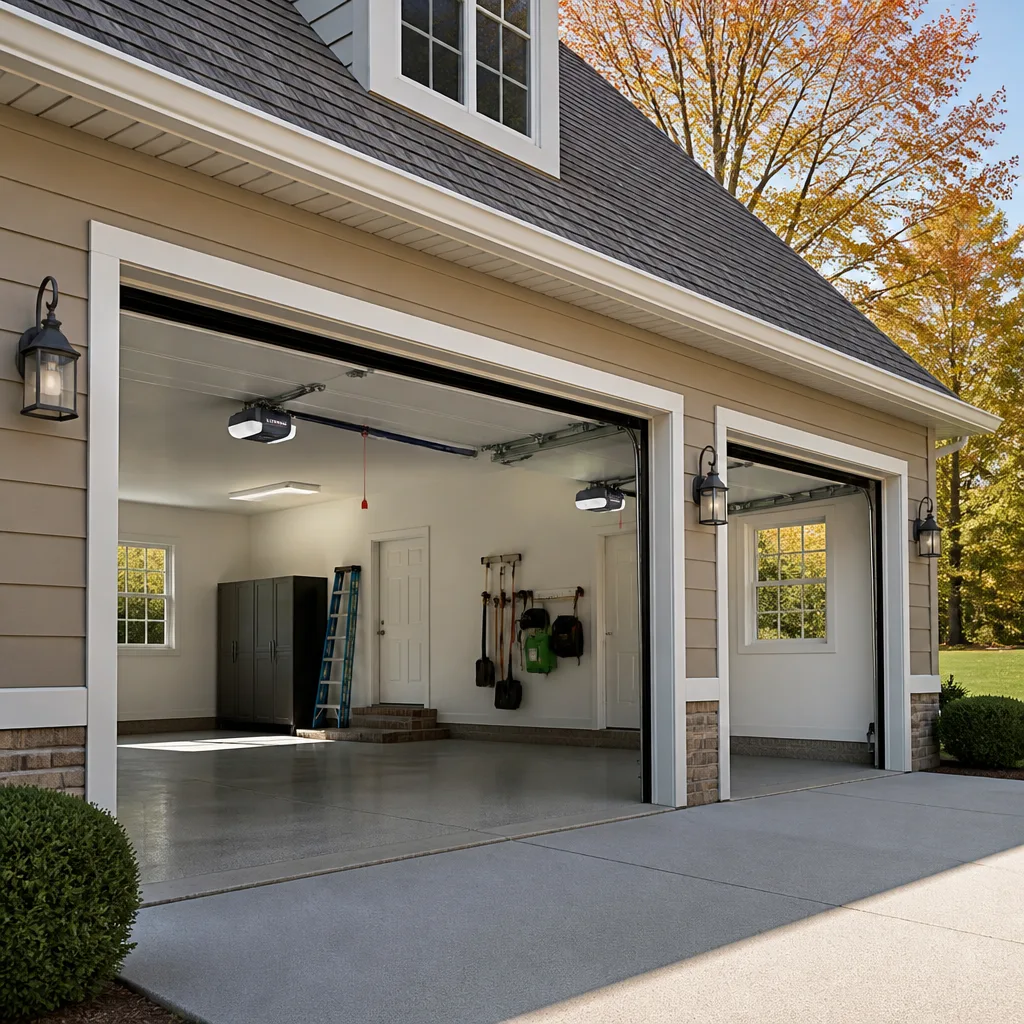 LiftMaster openers
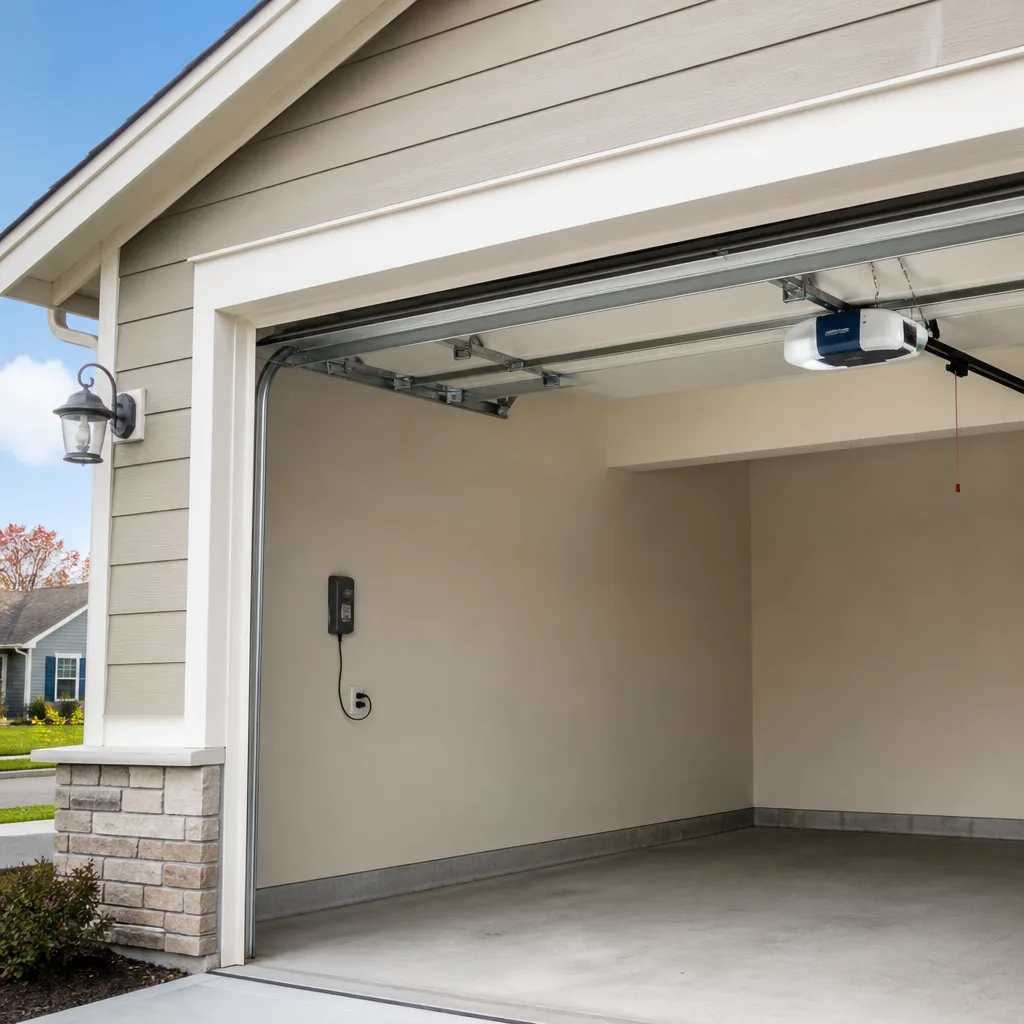 Chamberlain openers
Full 25-point door and opener safety check with every visit - springs, cables, rollers, tracks, and your LiftMaster or Chamberlain opener included
You get a price before we start. It does not change when the truck arrives.
Get your free estimateSeasonal Garage Door Care for San Diego: Year-Round Homeowner’s Guide
San Diego homeowners skip seasonal garage door maintenance because, let’s be honest, the weather never really punishes us the way it does in Phoenix or Minneapolis. No snow loads bending tracks. No sub-zero mornings snapping cables. But here’s what we’ve learned after years of service calls across San Diego: our garage doors fail on a schedule too. It’s just a schedule written by marine layer condensation cycles, Santa Ana wind gusts, and inland valley heat spikes that hit 100°F in El Cajon and Lakeside while the coast sits at 72. Your garage door doesn’t need four-season care. It needs San Diego-season care, and the pattern repeats every year like clockwork. This guide covers what to check each season, why it matters for your specific door, and which five-minute tasks prevent the repair calls we get most often. For broader context, see our The Complete Guide to Garage Door in San Diego.
Quick Answer
Seasonal garage door maintenance in San Diego means four distinct checkpoints tied to our actual climate cycles, not the calendar: spring brings marine layer condensation that corrodes hardware, summer brings inland heat spikes that affect opener motors and track alignment, fall brings Santa Ana winds that test bottom seals and balance, and winter brings rain that exposes threshold sealing problems. Most seasonal issues are preventable with a 20-minute inspection each quarter, focusing on lubrication, seal integrity, and balance testing, as detailed in The Complete Garage Door Repair Guide for San Diego Homeowners. The cost of skipping it is typically a $180 to $340 spring repair or a $150 to $250 opener motor strain repair that could have been caught early.
Styles & brands we work with
Table of Contents
- Spring (April – June): Marine Layer Corrosion Season
- Summer (July – September): Heat Expansion and Opener Strain
- Fall (October – November): Santa Ana Wind Preparation
- Winter (December – March): Rain, Mud, and Threshold Seals
- The Lubrication Task San Diego Homeowners Skip Most
- Monthly Baseline: The 10-Minute Inspection That Prevents 80% of Repairs
- Common Mistakes to Avoid
- When to Call a Professional
- Frequently Asked Questions
Spring (April – June): Marine Layer Corrosion Season
May Gray and June Gloom aren’t just bad for beach plans. They’re the most corrosive months for garage door hardware in San Diego, and most homeowners never connect the dots. A marine layer that sits over coastal neighborhoods like La Jolla, Point Loma, and Pacific Beach for days at a time pushes relative humidity to 80% or higher, sometimes for a week straight. Your garage door’s steel rollers, hinge pins, cable strands, and torsion spring coils are sitting in that moisture every night. When we diagnose a rusted-out roller or a snapped cable in, say, Carlsbad in June, the failure usually started weeks earlier during a condensation cycle the homeowner never noticed.
Here’s what to inspect during spring marine layer season, in order of priority:
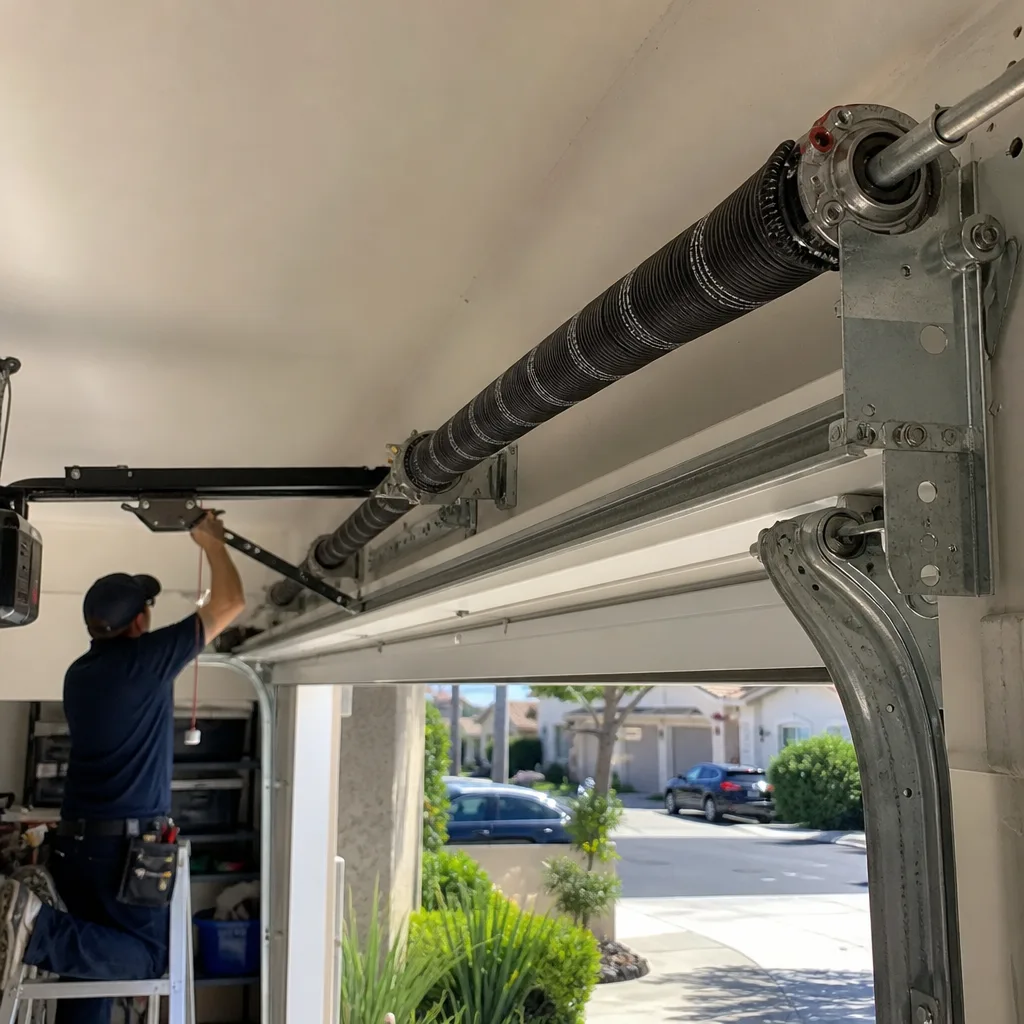
- Cables and cable drums: Look for any rust bloom or frayed strands near the bottom bracket where moisture collects and drips. A frayed cable is a snap waiting to happen, and it’s a safety hazard when it does. Call a professional rather than handling cable hardware yourself.
- Spring coils: Surface rust on a torsion spring is normal after a few years, but if you see deep pitting or rust that flakes off when touched, that spring is losing integrity. In our experience, springs fail most often in the early morning when temperatures are coolest and the metal is at its most contracted.
- Hinge pins and roller stems: Apply a light machine oil (not WD-40, which is a solvent, not a lubricant) to hinge pivot points. Roller stems should get a drop of oil each spring to keep them spinning freely through the damp season.
- Bottom weatherstripping: Condensation pools at the lowest point of the door. If your bottom seal has cracks or gaps, that moisture wicks upward into the steel panel edge. Check it now, before it becomes a rust issue by fall.
Spring is also a good time to run a balance test. Disconnect the opener using the red emergency release cord, then lift the door manually to waist height. It should stay put on its own. If it drifts downward or feels heavy, the springs are weakening. That’s a sign to schedule a professional spring replacement sooner rather than later. A weak spring puts strain on the opener motor, which is the start of a more expensive failure. Garage door repair in San Diego calls spike every June, and the pattern usually traces back to unchecked marine layer damage from April and May.
Summer (July – September): Heat Expansion and Opener Strain
Inland San Diego valleys deal with temperatures that coastal residents rarely experience. El Cajon, Lakeside, Santee, and Ramona routinely hit 100°F or more during July and August, and that heat does measurable things to a garage door system. Steel tracks expand. Aluminum door panels expand. The opener motor, bolted to the ceiling of a garage that may be 10 to 15 degrees hotter than outside air, operates under thermal stress it doesn’t face the rest of the year.
The first thing to understand is that metal expansion changes the geometry of the track system. When steel tracks heat up, they lengthen slightly. If a track was installed without the proper tolerance or has loose brackets, the expansion pushes the track slightly out of parallel. You may notice the door getting louder in summer, a slight grinding sensation, or hesitation mid-travel. These are signs the rollers are now binding against the track wall instead of rolling cleanly.
Here’s what to check during summer heat season:
- Track bracket tightness: With the door closed, check that all mounting brackets are snug against the wall. A single loose bracket lets the track flex during heat expansion, which causes that grinding sound.
- Opener force settings: Most openers have a force-adjustment dial or setting. During hot months, as the door expands and binding increases slightly, the opener has to work harder. If the opener reverses mid-travel for no apparent reason, it may be tripping its force safety sensor. That’s a feature, not a bug, but it means the system needs adjustment.
- Limit switches: Extreme temperature swings can cause minor position drift. Test that the door opens fully and closes completely without the opener reversing itself at the floor. A door that doesn’t seal fully at the bottom through summer will be an open invitation for pests and dust.
- Motor cooling: LiftMaster and Chamberlain openers with DC motors generate less heat than older AC-motor Craftsman units, but all openers benefit from a garage that isn’t cooking. If your garage has no ventilation, consider cracking the side door during extreme heat days. A motor that runs hot every day through August is a motor with a shortened lifespan.
We service every major brand, including LiftMaster, Chamberlain, and Craftsman, and the summer opener calls we get tend to fall into two buckets: older AC-motor openers that have genuinely overheated and failed, and newer DC-motor openers that are tripping force sensors due to track expansion. The second bucket is almost always a $150 adjustment issue, not a replacement issue. Garage door opener repair in San Diego is one of our most common summer services for exactly that reason.
Fall (October – November): Santa Ana Wind Preparation
Santa Ana winds are the most underappreciated garage door threat in San Diego. When those hot, dry offshore winds gust through the canyons in October and November, often at 40 to 60 mph, they push against a garage door’s entire surface area. On a typical two-car door, that’s roughly 100 square feet of sail area. The door is only as strong as its weakest component, and that component is usually the bottom seal or the track’s wind-load tolerance.
Here’s what to do before the first Santa Ana event each fall:
- Inspect the bottom seal end-to-end: Run your hand along the entire rubber strip at the bottom of the door. Look for tears, crushed sections, or gaps at the corners. During high winds, a gap in the seal lets dust, leaves, and debris blast into the garage. It also lets the wind pressure get behind the door, which increases the load on the track and opener.
- Clear the track channels: Santa Anas carry fine dust and leaves from miles inland. That material settles in the garage door track channels. Even a small accumulation of grit increases roller friction and creates wear. Use a dry rag or a soft brush to clean the inside of the track channels. Don’t use grease inside tracks, as it attracts more grit.
- Test the auto-reverse and auto-close features: Many modern openers, particularly newer LiftMaster and Chamberlain myQ units, have auto-close timers that can be set to close the door after a set time. During Santa Ana season, an auto-close feature that closes the door after 1 to 5 minutes prevents a wind gust from slamming an open door against its track stops. If you have this feature, verify it’s enabled and set properly.
- Check the door’s side seals: Wind-driven dust enters around the sides as much as the bottom. Check the vinyl weatherstripping along the door jambs. If it’s cracked or pulling away from the frame, replace it before fall. The fix is under $20 in materials and prevents dust and debris intrusion all season.
For homes in wind-exposed areas like the Cuyamaca foothills, Alpine, or the valleys east of Escondido, a fall balance test matters more than any other season. A door that’s properly balanced handles lateral wind pressure far better than one with weak springs and worn rollers. When springs weaken, the door gets sluggish, the opener strains, and a strong gust becomes enough to knock the door out of alignment. We’ve seen it happen every October.
Winter (December – March): Rain, Mud, and Threshold Seals
San Diego’s winter rains, while rarely dramatic, reveal every gap in a garage door system within the first 48 hours of a storm. The bigger issue isn’t the rain itself but the mud and debris it carries. When water pools at the garage threshold and mixes with dirt, it seeps under the door and dries into a hard crust that damages the bottom seal over time. Once that seal is compromised, the door never closes tight again.
Here’s what to check in winter:
- Threshold drainage slope: The concrete slab in front of your garage should slope away from the door, not toward it. Walk outside after the next rain and look for standing water within 12 inches of the door. If water pools against the seal, it will eventually find its way under. A proper slope should allow water to run away from the door. If the slab has settled or the grade has shifted, you may need a drainage correction or a raised threshold installed.
- Bottom seal condition after each significant rain: Run your hand along the bottom seal while the door is closed. If you feel cold air or moisture, the seal has a gap. Replace it before the next rain. A new bottom seal costs a small fraction of what water-damaged door panels or rusted tracks cost to repair.
- Side seal and top seal: Wind-driven rain gets pushed against the side jambs. Check the vinyl weatherstripping for tears or gaps. The top seal, which is often overlooked, is where wind-blown rain enters first. Make sure it’s making full contact with the top panel when the door is closed.
- Rust inspection on the bottom panel edge: Water and mud film wick upward into the steel edge of the bottom panel. Run your hand along the underside of the bottom panel and look for bubbling paint or rust. If you catch it early, a wire brush and a coat of rust-inhibiting paint solves the problem. If you miss it, the panel rusts through and needs replacement.
Winter is also the season when we see an increase in Wayne Dalton and Raynor door owners calling about seal failures. These doors have specific bottom seal profiles, and a generic aftermarket seal often doesn’t fit properly, leaving gaps that let water in. If your door’s brand is less common, take the time to source the correct seal profile rather than forcing a universal fit—our Choosing the Right Garage Door Brand: A Buyer’s Guide for San Diego explains what to look for.
The Lubrication Task San Diego Homeowners Skip Most
Every garage door manufacturer recommends lubricating moving parts at least once a year. Most San Diego homeowners never do it, and we understand why. In a climate with no obvious winter reminder, no sub-zero morning when the door groans so loudly you can’t ignore it, there’s no ambient nudge to get out the silicone spray. But that’s precisely why lubrication matters more here than in places with brutal winters. Our doors run year-round, in a marine environment with salt in the air near the coast and dust in the air inland. The combination of daily use, salt, and dust creates a grinding paste on pivot points that accelerates wear regardless of temperature.
Here’s the correct way to lubricate a garage door, in the right order:
- Use the right product: White lithium grease for the torsion spring coils, and a silicone-based spray lubricant for rollers, hinges, and pivot points. Never use WD-40, which dissolves the lubricant that’s already there. Never use grease in the track channels, which attracts dust and creates buildup.
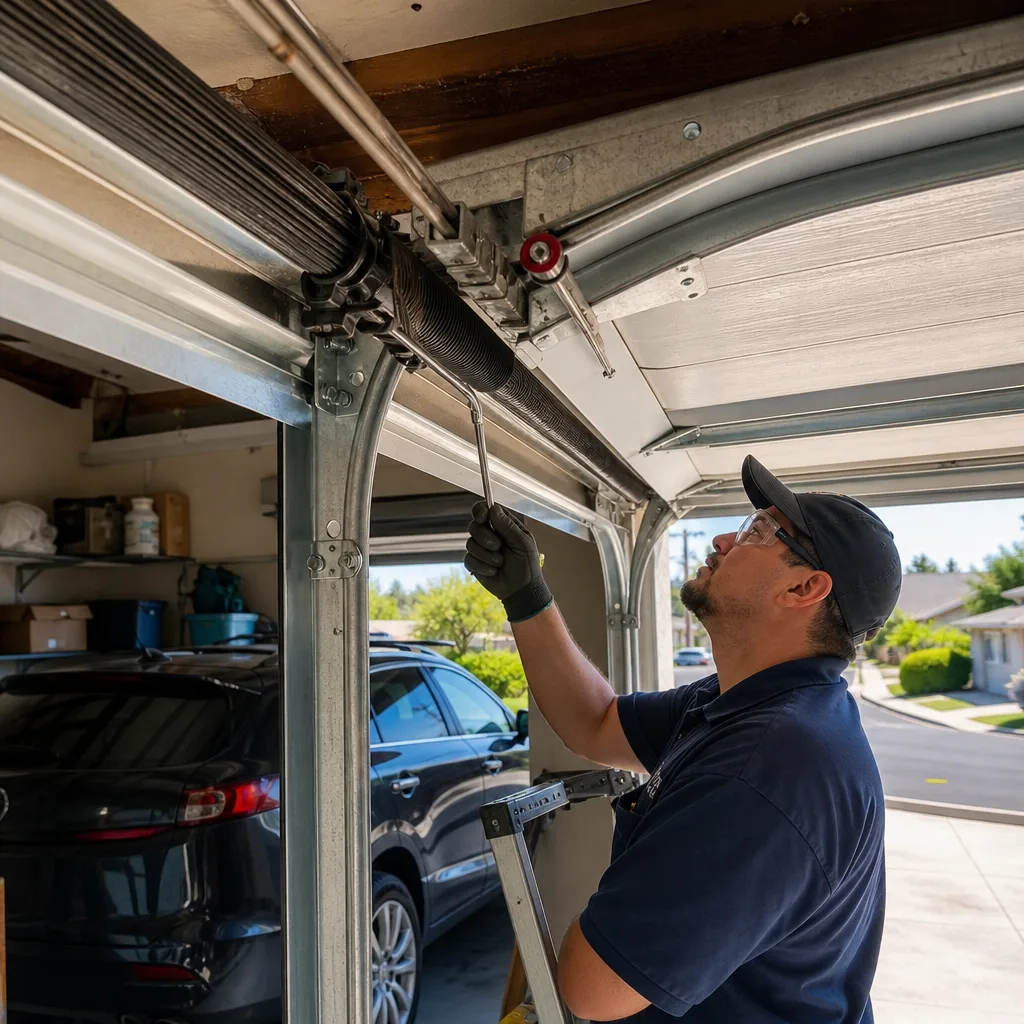
- Lubricate the torsion spring: Spray white lithium grease across the full length of the spring, letting it work into the coils. This slows rust formation and reduces friction between coils as the spring winds and unwinds. Do this every 6 months in coastal areas.
- Lubricate the hinge points: Each hinge has pivot points at the top and bottom. Spray a small amount of silicone lubricant directly onto each pivot point. Wipe away any excess so it doesn’t drip onto the door surface.
- Lubricate the roller stems: Don’t spray the roller wheel itself. Spray where the roller stem enters the hinge barrel. If you have nylon rollers, this is the only lubrication they need. If you have steel rollers with ball bearings, a drop of light oil into the bearing each year prevents the bearing from seizing.
- Lubricate the lock and handle assembly: A quick spray of silicone into the keyhole and handle mechanism keeps the lock from getting sticky with salt air and dust.
The total task takes 15 minutes and costs under $15 in materials. In our experience, doors that get this simple maintenance every 6 months have rollers that last 10 to 15 years instead of 5 to 7, and hinges that never become an issue. If you’re not comfortable working around the torsion spring area, that’s fine. Eagle Garage Door Service handles installation and maintenance throughout San Diego, and we’re happy to include lubrication as part of a repair or tune-up call.
Monthly Baseline: The 10-Minute Inspection That Prevents 80% of Repairs
Beyond the seasonal tasks, there’s a monthly inspection routine that catches problems before they turn into service calls. This takes 10 minutes and requires no special tools. We recommend doing it the first weekend of every month, tied to a habit you already have, like checking your smoke detector batteries or changing your HVAC filter.
Here’s the step-by-step monthly inspection:
- Watch and listen while the door runs: Stand to the side, not directly under the door, and open it fully, then close it fully. Listen for grinding, squealing, or rattling. A smooth door makes very little noise. A noisy door is telling you something has changed.
- Check the door’s travel: The door should move at a consistent, steady speed from fully open to fully closed. If it hesitates, stutters, or changes speed mid-travel, something is binding or the opener is straining.
- Test the auto-reverse safety feature: Place a 2×4 or a roll of paper towels in the path of the closing door. The door should reverse within 2 seconds of contact. This is the single most important safety feature on any garage door system, and it should be tested monthly. If it doesn’t reverse, call a professional immediately.
- Look at the springs and cables visually: Stand at the top of the door and look at the torsion springs. Look for rust, gaps between coils, or any visible deformation. Look at the cables on both sides and check for fraying. Don’t touch anything; just look.
- Check the bottom seal: While the door is closed, walk to the inside and look for any daylight visible under the door. If you see light, you have a seal gap that will let in water, dust, and pests.
- Inspect the tracks: Look at the tracks for any visible gaps between the track and the wall brackets, any dents, or any accumulation of debris. A track that’s visibly out of parallel, even by a small amount, will cause the door to bind.
These six checks take about 10 minutes and catch probably 80% of the problems we see on service calls in San Diego. The earlier you catch a frayed cable, a weak spring, or a failing auto-reverse sensor, the cheaper the repair. And many of these issues can be addressed before they turn into a full failure that leaves your car stuck in the garage at 7 a.m. on a workday.
Common Mistakes to Avoid
- Using WD-40 on garage door components. WD-40 is a solvent and degreaser, not a lubricant. It strips away the existing lubrication and leaves the metal more vulnerable than before, especially in San Diego’s marine layer environment.
- Lubricating the track channels. Tracks need to be clean, not lubricated. Grease or spray in the tracks attracts dust and grit, creating a grinding paste that wears the rollers and the track itself. The only lubrication points are rollers, hinges, and springs.
- Ignoring a noisy door because “it’s always sounded like that.” A garage door that makes noise is a garage door with a problem. The noise may be a failing roller bearing, a dry hinge, or a loose bracket, but all three are cheaper to fix before they fail completely.
- Disabling the auto-reverse feature. Homeowners sometimes adjust the force settings or bypass the auto-reverse sensor because the door keeps reversing for “no reason.” That reason is usually track misalignment or a binding roller, and the correct fix is to address the underlying issue, not to disable the safety feature.
- Replacing only one spring on a two-spring system. Torsion springs are rated for a certain number of cycles, and they wear at roughly the same rate. If one spring fails and you replace only that one, the other is likely to fail within months. That second failure means another service call and another labor charge.
- Waiting until a component fails to call for service. The cheapest garage door repair is the one you don’t need. Monthly inspections and seasonal tune-ups catch small issues before they become failures. In San Diego, where the door gets used multiple times every day, that waiting game costs more in the long run.
- Trying to replace torsion springs as a DIY project. Torsion springs are under high tension and can cause serious injury or death if released improperly. This is one repair that should always be left to a trained professional, regardless of how many YouTube videos you’ve watched.
When to Call a Professional
Some seasonal maintenance tasks are safe for any homeowner, and others absolutely require a trained technician. Call a professional if you see a frayed cable, any visible gap in a torsion spring, a door that won’t stay in place when manually opened to waist height, or an auto-reverse feature that fails the 2×4 test. These issues involve high-tension components and should never be handled without proper training and tools. Also call if you hear grinding or snapping sounds during operation, or if your opener motor is running hot or making unusual noise. Eagle Garage Door Service offers free estimates in San Diego, and our technicians work exclusively on garage doors, which means they see patterns a general handyman won’t catch. Browse more guides & resources on our blog. Give us a call at (888) 783-4032 to schedule a seasonal inspection.
Frequently Asked Questions
Every 6 months for coastal homes within 5 miles of the ocean, due to salt air and marine layer humidity, and every 12 months for inland homes. The higher coastal frequency compensates for the corrosive marine environment that accelerates rust on springs and rollers.
Torsion spring failure is the most common, and it happens most often in the early morning hours when the metal is coolest and most contracted. In San Diego’s coastal areas, the repeated condensation cycles from marine layer events accelerate spring rust, which contributes to earlier failure. Call (888) 783-4032 for an exact spring replacement quote; estimates are free.
Yes, for the inspection and lubrication tasks described in this guide. No, for anything involving torsion springs, cables, or track realignment. Those components are under high tension and can cause serious injury if handled improperly. A good rule: if the task involves the spring assembly or the cables, call a professional.
A basic tune-up typically ranges from $75 to $150 depending on the condition of the door and the number of components needing attention. If the tune-up identifies worn parts, those repairs are quoted separately and the price is agreed upon before any work starts. Call (888) 783-4032 for an exact quote.
Yes, repeatedly. Sustained winds of 40 to 60 mph push against the door’s face and test the entire system’s wind-load capacity. A door with weak springs, worn rollers, or compromised seals is far more likely to be knocked out of alignment or suffer damage during a Santa Ana event than a well-maintained door.
For coastal homes, we recommend a belt-driven opener with a DC motor, such as a LiftMaster or Chamberlain model. Belt drives resist the salt air better than chain drives, and DC motors run cooler and quieter than older AC units, which matters during valley heat spikes and for homes with rooms above the garage. Garage door opener repair in San Diego can address issues with any brand you currently own, and we service all major openers including Genie, Craftsman, and Raynor units.
If the door panels are structurally sound, the tracks are in good shape, and the door is less than 15 to 20 years old, repair is usually the right call. If the bottom panel is rusted through, the tracks are bent, or the door is nearing the end of its expected lifespan, replacement starts to make financial sense. We’ll give you an honest recommendation either way.
The Bottom Line
San Diego’s garage door seasons are subtle but predictable. Marine layer condensation in spring and early summer, heat expansion in July through September, Santa Ana winds in October and November, and winter rain from December through March each stress specific components in specific ways. A homeowner who understands this pattern and invests 10 minutes a month in inspection, plus 15 minutes twice a year in lubrication, will prevent most of the failures we see on service calls. The repairs that still happen will be smaller, cheaper, and less disruptive. When you need professional help, Eagle Garage Door Service home is a specialist operation focused exclusively on garage doors, which is all we do in San Diego, and we’re available at (888) 783-4032 for a free estimate on any repair or maintenance need.
Written by the team at Eagle Garage Door Service, serving San Diego since 2015.
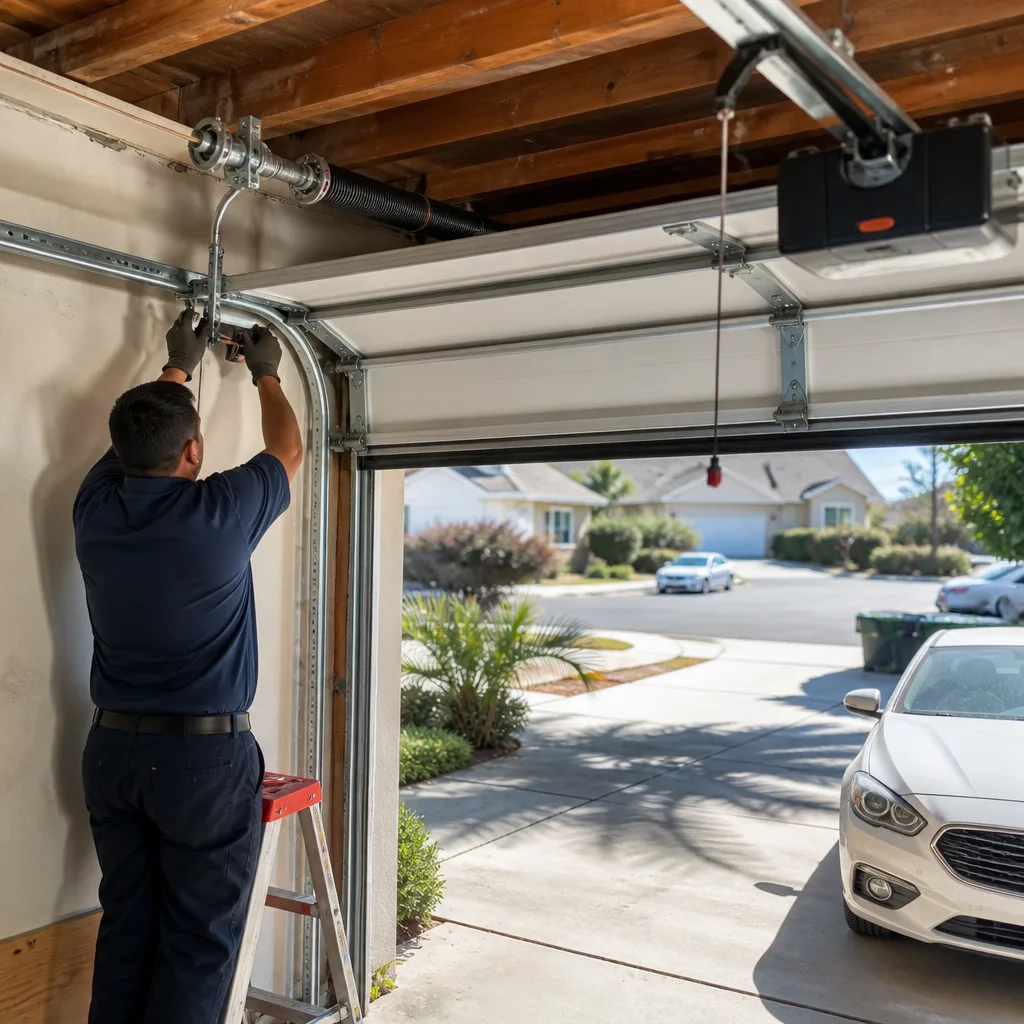
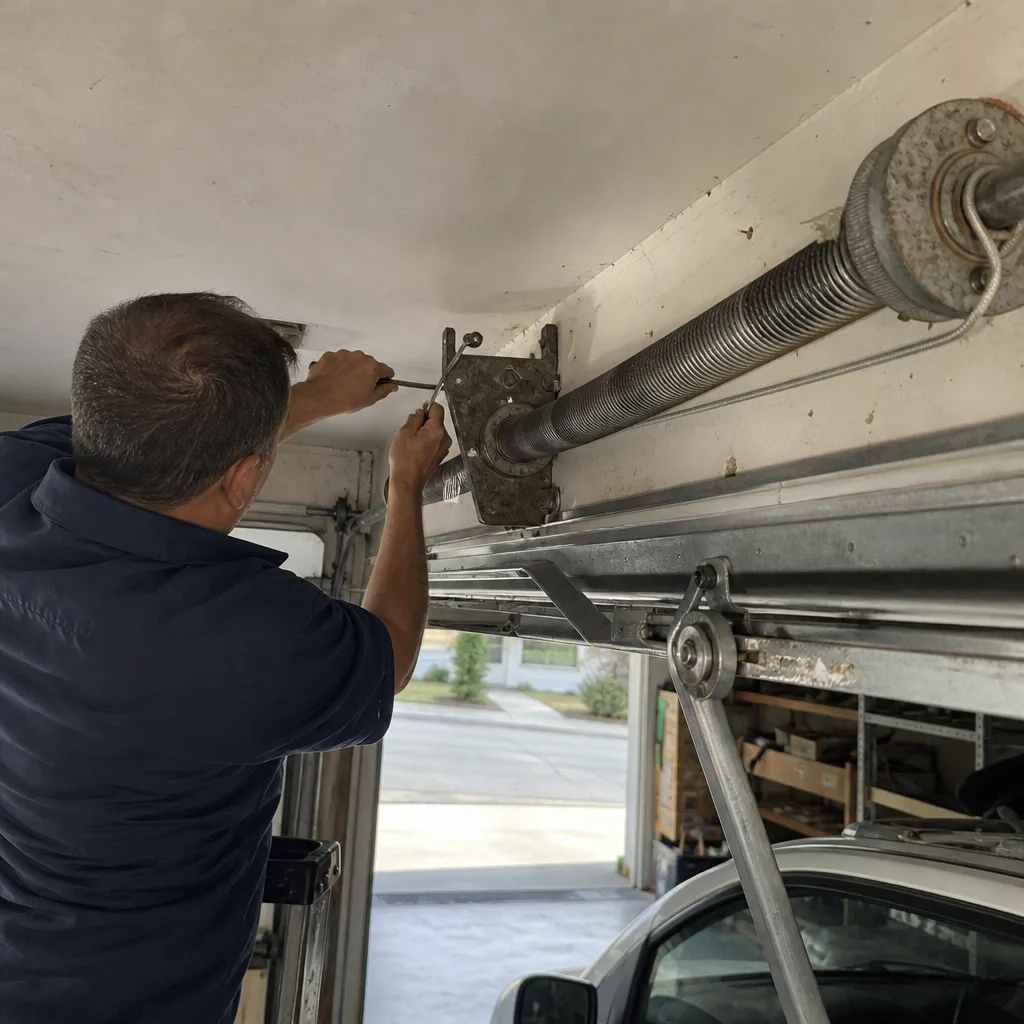
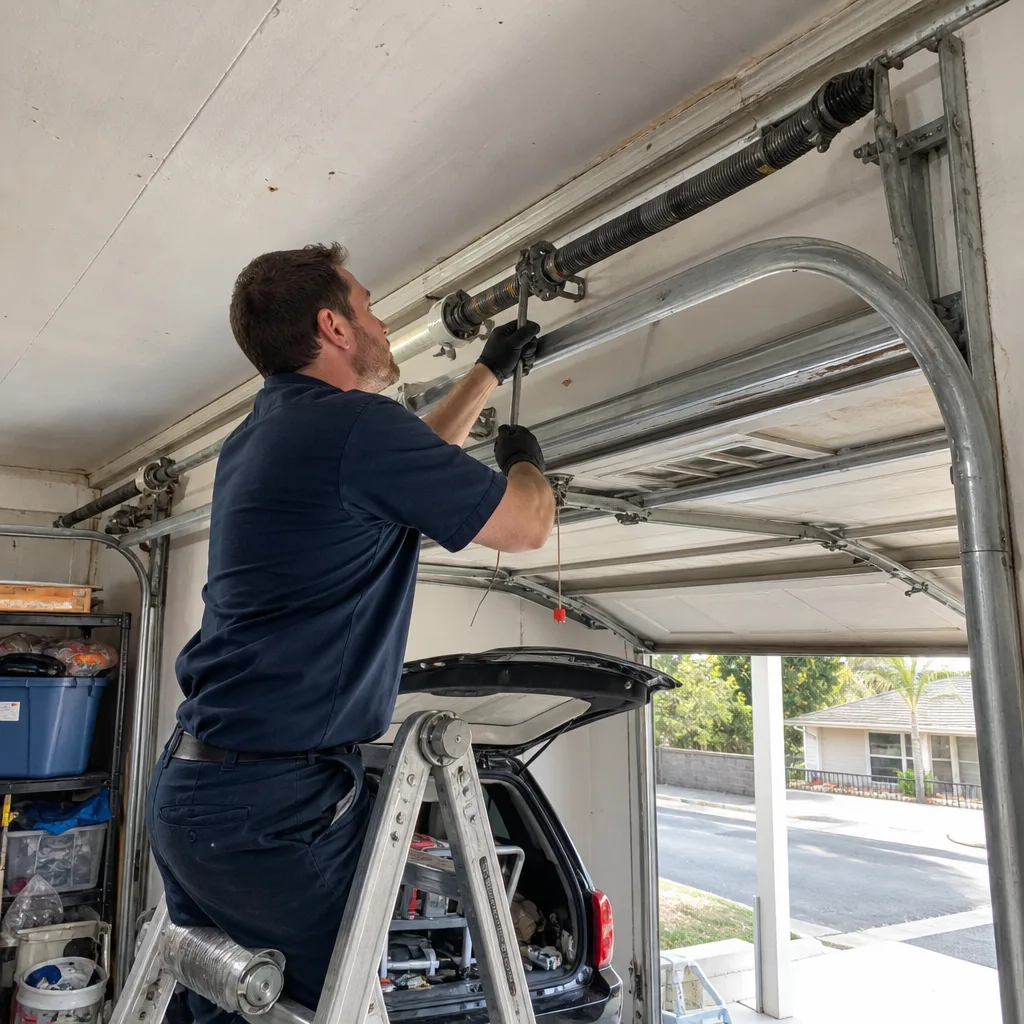
See the difference
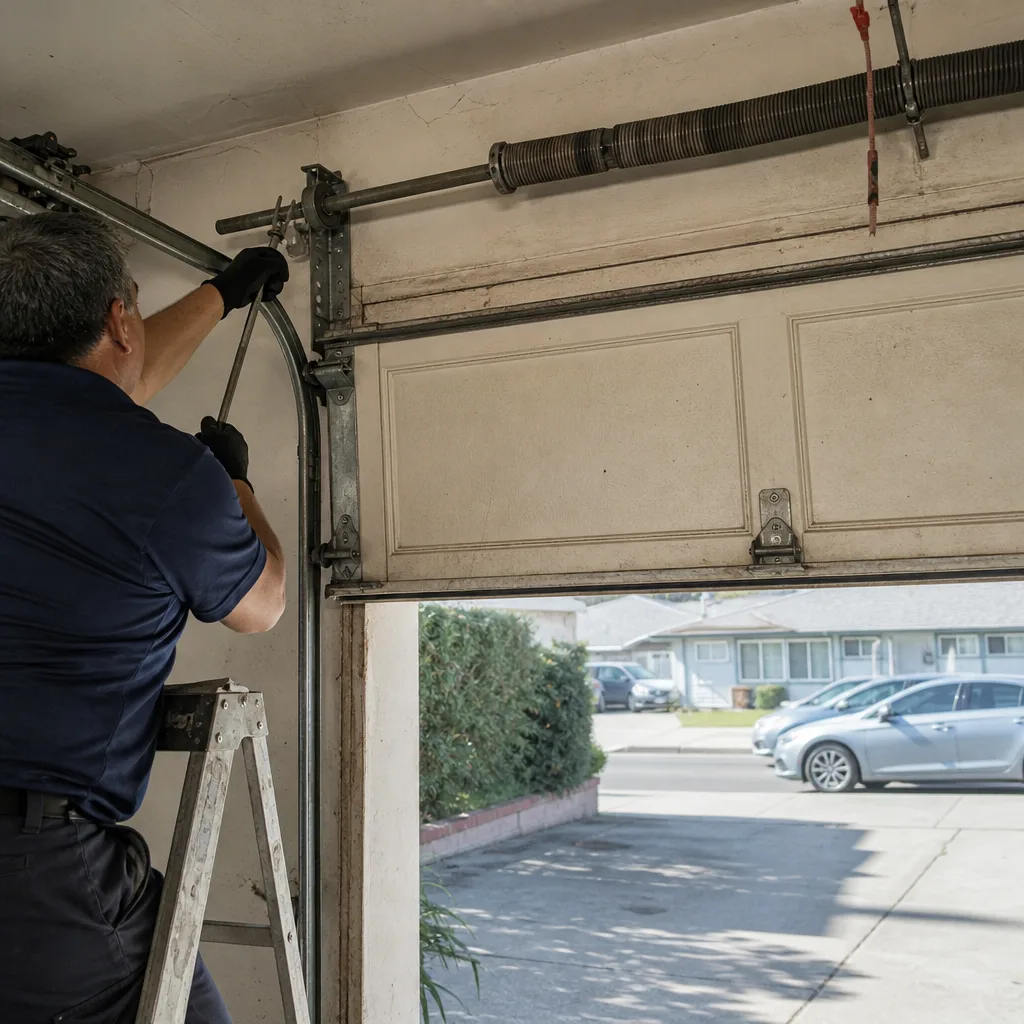 Before
 After
 Before
 After
 Before
 After